 Oldsmar Siding
 Windows Built for Clearwater's Weather, Not Just Installed in It
Homes in and around Clearwater sit close enough to the Gulf and to Old Tampa Bay that the weather is never really gentle for long. Between hurricane-force wind events, wind-driven rain that finds every gap in a wall assembly, salt-laden air that eats at hardware and finishes, and sun exposure that runs nearly year-round, a window opening in this part of Pinellas County has to do a lot more work than the same opening would in most of the country. New-construction windows give you the chance to build that performance in from the start, rather than patching around a weak point later.
This page is about one specific job: installing new-construction windows correctly for homes in the Clearwater area, done by a crew based in Oldsmar that already works this part of Pinellas County. It is not a general window buying guide. It's about what actually has to happen at the wall for the window to perform the way it's rated to.
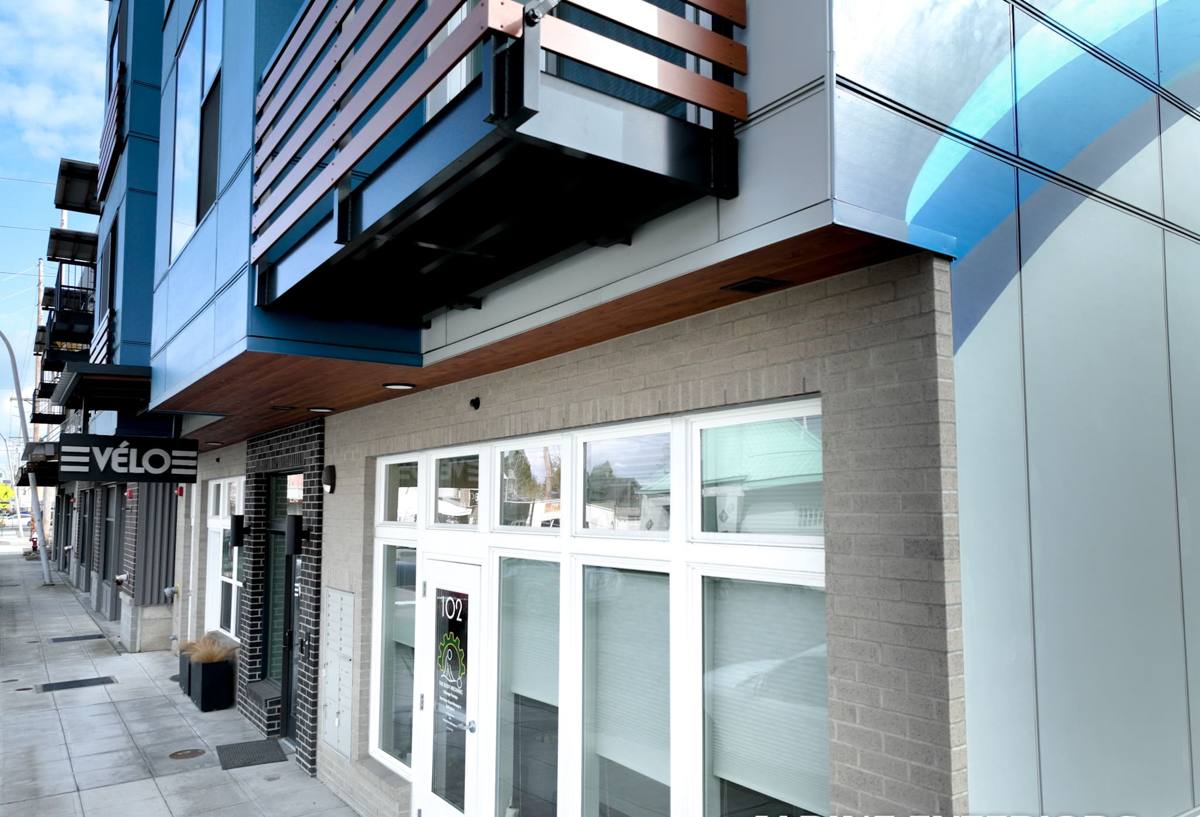
New-Construction Windows vs. Replacement Windows — Why the Distinction Actually Matters
The term "new-construction window" refers to the window itself, not just the timing of the job. These units have a nailing flange (also called a nail fin) around the perimeter of the frame that gets fastened directly to the wall sheathing or framing before the exterior finish goes on. That flange is what lets the window become part of the wall's actual water management system — the flashing, the weather-resistant barrier, and the siding or stucco all lap over and around it in a specific sequence.
Replacement windows, by contrast, are built to slide into an existing frame from the interior or exterior without disturbing the surrounding trim or siding. That's faster and less invasive, but it means you're stuck working with whatever flashing (or lack of flashing) is already behind the old frame. If that original installation had a flaw, a replacement window doesn't fix it — it just gets installed on top of it.
When New-Construction Windows Make Sense for an Existing Home
You don't have to be building a house from the ground up to use new-construction windows. The other common scenario is a full siding tear-off — when the old siding comes off down to the sheathing, you have direct access to the wall. That's the window of opportunity, so to speak, to correct old flashing mistakes and install the window the way it should have been done originally, instead of building over the same problem again. Additions and full-wall rebuilds after storm or water damage fall into the same category.
Florida Building Code and Wind Requirements for Pinellas County
Every new window opening installed in Clearwater and the surrounding Oldsmar area has to meet Florida Building Code wind pressure requirements, which are based on the ultimate design wind speed for the site and how exposed the property is to open terrain or water. Homes closer to the coast, or on lots with fewer wind breaks, generally carry higher design pressure requirements than homes further inland.
Wind-Borne Debris Region Rules
Coastal Pinellas County falls within areas subject to Florida's wind-borne debris region provisions, which require openings on the lower floors of most homes to either use impact-rated glazing or be protected by code-approved shutters or panels. Every window installed has to carry a valid Florida Product Approval (or Miami-Dade Notice of Acceptance, where applicable) matching the design pressure and impact requirements for that specific opening — not just a general "hurricane rated" label. A correctly permitted job ties the specific window model, its approval documentation, and the site's wind pressure calculation together; skipping that step is one of the most common ways an otherwise decent-looking installation fails inspection.
Egress and Life-Safety Requirements
New-construction bedroom windows also have to meet Florida's egress requirements — minimum opening size, sill height, and operable clear width — so occupants can get out and first responders can get in during an emergency. This gets overlooked more often than it should on additions and remodels, where an existing rough opening gets reused without checking whether the new window still satisfies egress once trim and hardware are accounted for.
Choosing Glass and Frame Materials That Actually Hold Up Here
Impact-Rated Glass
Impact-rated glass uses a laminated interlayer bonded between two panes so that even if the outer pane cracks under debris impact, the glazing stays intact in the frame instead of opening a hole in the building envelope. This is different from adding aftermath film to standard glass, which is not a substitute for a tested and approved impact assembly. For Clearwater-area homes in the wind-borne debris region, the glass package and the frame it's set in are tested and approved together as a system — mixing an approved frame with unapproved glass, or vice versa, voids the rating.
Frame Material Trade-Offs
Salt air and constant UV are hard on frame materials in different ways, and there's no single "best" answer for every home — it depends on budget, maintenance appetite, and how close the property sits to the water.
| Frame Material | Salt Air / Corrosion | UV / Heat Behavior | Maintenance |
|---|---|---|---|
| Vinyl | Does not corrode; welded corners resist salt intrusion | Good UV-stable formulations hold color; lower-grade vinyl can chalk over time | Low — occasional cleaning |
| Aluminum | Prone to pitting and corrosion near the coast unless properly finished/anodized | Conducts heat more than vinyl or fiberglass | Moderate — finish needs monitoring in salt exposure |
| Fiberglass | Excellent corrosion resistance, stable in salt air | Very stable dimensionally under heat and sun | Low, but higher upfront cost |
We size up the specific exposure of a home — distance from the water, prevailing wind direction, how much direct afternoon sun the openings get — before recommending a frame material, rather than defaulting to one product for every job.
What a Correct New-Construction Installation Actually Involves
Sill Pan and Flashing Sequence
The single biggest factor in whether a window leaks over time isn't the window itself — it's the flashing detail around it. A sloped sill pan at the bottom of the opening directs any water that gets past the glazing back out to the exterior instead of into the wall cavity. Head and jamb flashing then has to integrate with the weather-resistant barrier in a shingle-style lap — each layer overlapping the one below it — so water sheds down and out at every level, the same way roofing shingles work.
Fastening and Sealant Compatibility
The nailing flange gets fastened at the spacing and location specified by the window's product approval — not "close enough." Sealants matter too: some sealant chemistries are incompatible with vinyl frames and can cause long-term staining or degradation, so the sealant used at the flange and trim has to be compatible with the actual frame material. Wind-driven rain during a tropical storm will find any shortcut taken here well before a typical afternoon shower would reveal it.
Interior and Exterior Trim-Out
Once the window is set, flashed, and sealed, interior sill and jamb work and exterior trim close out the opening. This is also where insulation around the frame gets checked — gaps here show up later as drafts and, in older or poorly built homes, as condensation issues during Florida's humid months.
How Our Process Works, Start to Finish
- Site visit and measurement — we assess wind exposure, existing wall condition, and rough opening sizes on site, not from a photo.
- Product selection and code matching — we match window models and glazing to the property's wind pressure requirements and confirm Florida Product Approval documentation before ordering.
- Permitting — we pull the required permit through the applicable local building department before work begins.
- Opening prep — rough openings are checked for square, level, and any rot or damage that needs repair before a window ever goes in.
- Installation and flashing — sill pan, flashing sequence, fastening, and sealant are done per the manufacturer's approved installation instructions.
- Trim-out — interior and exterior finish work closes out the opening cleanly.
- Inspection — the job is signed off through the required building department inspection before we consider it complete.
Why a Crew That Already Works Clearwater Matters
A lot of what separates a window installation that lasts twenty years from one that starts leaking in three isn't the window brand — it's whether the crew installing it understands the specific conditions of that property. A crew that regularly works Clearwater and the surrounding Oldsmar area already knows the difference between a home that's fully exposed to open water and wind versus one set further back with more natural wind breaks, and adjusts the approach accordingly. We're also familiar with the local permitting process and inspection expectations for this part of Pinellas County, which keeps a job moving instead of stalling on paperwork or a failed inspection over a detail that a locally experienced crew would have caught the first time.
Because we're also a siding company, we look at the window opening as part of the whole wall assembly — flashing, weather barrier, and siding all have to work together as one system. A crew that only handles windows in isolation doesn't always think about how that opening interacts with the siding installation around it.
What Drives Cost on a New-Construction Window Job
| Factor | Why It Affects Price |
|---|---|
| Number and size of openings | More openings and larger units mean more material and labor hours |
| Frame material | Vinyl, aluminum, and fiberglass carry different material costs and labor handling |
| Glazing package | Impact-rated laminated glass costs more than standard glass, but may reduce or remove the need for separate shutters |
| Wall condition | Rot, damaged sheathing, or out-of-square openings found during prep add repair time before installation can proceed |
| Access and story height | Second-story or hard-to-access openings take longer and may need additional equipment |
| Permitting and inspections | Scheduling and passing required inspections is part of the job, not an optional add-on |
We don't quote from a flat per-window price list because these factors genuinely change the scope from one house to the next — a firm number comes from an actual site visit.
Checklist Before You Sign a Window Contract
- Contractor holds a valid Florida license and current liability insurance
- Proposal names the specific window model and includes its Florida Product Approval number
- Wind pressure rating on the quoted window matches your property's actual requirement, not a generic figure
- Written scope includes sill pan and flashing detail, not just "install window"
- Permit is included and pulled before work starts
- Warranty terms — on both the product and the labor — are in writing
- Contractor can speak specifically to your home's exposure (distance to water, prevailing wind, sun exposure) rather than a one-size-fits-all pitch
Get a Straight Answer for Your Home
Every property along this stretch of Pinellas County carries its own mix of wind exposure, sun, and moisture, and that's exactly what we look at before recommending anything. If you're planning new-construction windows for a build, addition, or full siding tear-off in the Clearwater area, we're glad to walk the property, answer questions honestly, and put together a free, no-pressure estimate using the form below.