 Oldsmar Siding
 Why Citrus Park Roofs Wear Out Faster Than People Expect
Citrus Park sits in the same weather system that batters the rest of the Tampa Bay region, and that system is not gentle on a roof. Between hurricane-force wind events, some of the most intense year-round UV exposure in the continental United States, wind-driven rain that gets pushed sideways under poorly sealed edges, and a steady drift of salt air off the Gulf, a roof here is working against four different stressors at once. Most roofs aren't engineered with all four in mind — they're built to a national average, not to this climate.
That combination is why roofs in this area often show granule loss, curling, and flashing failure years before the manufacturer's stated lifespan would suggest. UV breaks down asphalt oils and accelerates aging of the shingle mat. Wind uplift finds every weak nailing pattern and loose tab. Wind-driven rain exploits any gap in underlayment or flashing that a calmer climate roof could get away with. Salt-laden air corrodes exposed fasteners, vents, and metal flashing faster than it would inland. None of this means every roof is doomed — it means the installation has to be done correctly for this specific environment, not generically.
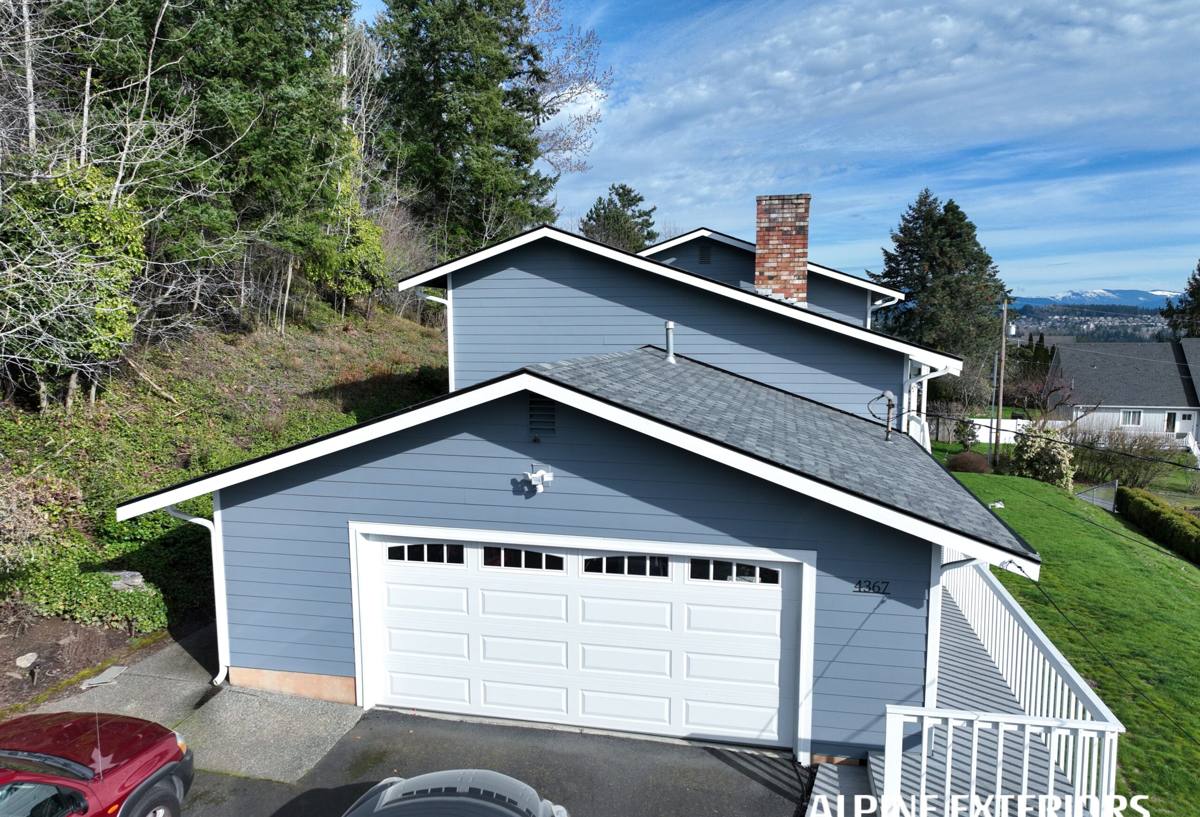
Signs a Citrus Park Home Needs a New Roof, Not Another Repair
Visual and Age Indicators
- Shingles are curling, cupping, or losing granules in patches (visible as darker or shiny spots)
- The roof is at or past 18-20 years old for asphalt shingle, even if it "looks fine" from the ground
- Multiple past repairs in different areas rather than one isolated issue
- Soft spots or sagging when walked on, which usually points to decking damage underneath
- Visible daylight through the attic decking, or damp insulation after rain
When Repair Still Makes Sense
Not every damaged roof needs full replacement. A single storm-damaged section, isolated flashing failure around a chimney or vent, or a roof under 12-15 years old with otherwise sound decking is usually a repair candidate. We'll tell you honestly which category your roof falls into during the estimate — a full tear-off isn't the right call just because it's the more profitable one for us.
What a Correct New Roof Installation Actually Involves
Full Tear-Off, Not Overlay
We remove the existing roofing material down to the deck rather than layering new shingles over old ones. An overlay hides problems instead of fixing them, adds weight without adding wind performance, and voids most manufacturer warranties. It's also the only way to actually inspect the decking underneath.
Decking Inspection and Repair
Every square foot of exposed decking gets checked for soft spots, delamination, and water staining. Any compromised plywood or OSB is replaced before anything new goes down — installing a new roof over bad decking just guarantees a shorter lifespan for the whole system.
Underlayment and Water Barrier
Given how much wind-driven rain this area sees, we install a synthetic underlayment across the full deck and add self-adhering ice-and-water-shield-style membrane at vulnerable points: eaves, valleys, and roof penetrations. This is the layer that protects the deck if wind ever drives rain up under the shingle tabs.
Flashing, Drip Edge, and Ventilation
New metal drip edge along all eaves and rakes, new step and counter-flashing at walls and chimneys, and functioning ridge and soffit ventilation are non-negotiable parts of a correct install — not upgrades. Poor ventilation traps heat and moisture in the attic, which shortens shingle life from underneath even if the top side looks fine.
Fastening for Wind Uplift
Nailing pattern and fastener count matter more here than in calmer climates. We follow manufacturer specifications for high-wind nailing (typically six nails per shingle rather than four in wind-exposed applications), because this is the detail that determines whether shingles stay put in a serious wind event or peel off in sheets.
Comparing Roofing Material Options for This Climate
| Material | Typical Lifespan (this climate) | Wind Resistance | Maintenance | Relative Cost |
|---|---|---|---|---|
| 3-Tab Asphalt Shingle | 12-18 years | Lower — rated for moderate wind | Low, but ages faster under UV | Lowest |
| Architectural (Laminate) Shingle | 18-25 years | Higher — rated for higher wind speeds | Low | Moderate |
| Standing Seam Metal | 30-50 years | Very high when properly installed | Low; check fastener/seam integrity periodically | Higher upfront |
| Concrete or Clay Tile | 30-50+ years (underlayment shorter) | High if installed and battened correctly | Periodic underlayment replacement, careful walking | Highest |
Most Citrus Park homeowners land on architectural shingles because they balance upfront cost, wind rating, and appearance well. Metal and tile are worth serious consideration for homeowners planning to stay long-term, since the lifespan spreads the higher upfront cost over decades. We'll walk through the honest trade-offs for your specific roof shape, budget, and how long you plan to own the home — there's no single "best" material for every house.
Our Installation Process, Start to Finish
- On-site inspection and estimate — we walk the roof and attic, document existing conditions, and give you a written scope and price before any work starts.
- Material selection — we go over color, profile, and material options based on your budget and how long you plan to keep the home.
- Permitting — we pull the required roofing permit and schedule inspections through the local building department; you're not left to navigate that alone.
- Tear-off and disposal — old material comes off, decking is inspected and repaired as needed, and debris is hauled away and disposed of properly.
- Dry-in — underlayment and water barrier go down the same day the deck is exposed whenever possible, so your home isn't left open to weather overnight.
- Installation — flashing, drip edge, ventilation, and the roofing material go on to manufacturer and wind-rating specifications.
- Cleanup and magnetic sweep — the property is cleared of debris and swept for stray nails before we consider the job done.
- Final inspection and walkthrough — the building department signs off, and we walk the finished roof with you.
Permits, Codes, and Wind Ratings You Should Know About
Florida's building code sets specific wind-uplift and fastening requirements for roofing, and those requirements are stricter than what's typical in most of the country. A permitted, inspected roof isn't just a formality — it's the paper trail that confirms the work actually meets the wind and water standards this region requires, and it matters when you file an insurance claim or sell the home. Be cautious of any contractor offering to skip the permit "to save time." That shortcut usually means the work isn't being held to code, and it can come back on you, not them, when it's time to make a claim or sell.
Why This Matters for Insurance
Many insurers offer credits for roofs that meet current wind-mitigation standards, and a properly permitted, code-compliant installation with the right documentation can help support that. We provide the paperwork you'll need — permit records, material specifications, and completion documentation — so you have it on hand when your insurance company asks.
Why a Crew That Already Works Citrus Park Matters
Roofing crews that only occasionally work in this area tend to under-spec for the wind and rain patterns here, because they're used to calmer climates. A crew that regularly works the Citrus Park and greater Oldsmar area already knows the typical roof pitches and shapes common to homes here, has an established relationship with the local permitting office so inspections don't stall your project, and understands which flashing and ventilation details actually hold up through a real Gulf Coast storm season versus which ones just look fine on installation day. Local presence also means faster response if something needs a follow-up look after a storm — you're not waiting on a crew that has to drive in from another region.
After Installation: Keeping a New Roof Performing
- Keep gutters clear so water isn't backing up under the eave line
- Trim back overhanging branches that drop debris or scrape shingles in wind
- Have the roof visually checked after any major wind event, even if nothing looks obviously wrong
- Watch the attic for any signs of moisture at the start of rainy season
- Keep a copy of your permit, warranty, and installation paperwork somewhere accessible
A correctly installed roof in this climate should need very little from you beyond basic upkeep — if a roof requires constant attention in its first few years, that's usually a sign of an installation issue rather than normal wear.
Getting Started
If your Citrus Park home has an aging roof, storm damage, or you're just trying to plan ahead before the next storm season, we're happy to take a look and give you an honest read on what it needs — repair or replacement. There's no pressure and no obligation. Fill out the form below to schedule a free estimate.