 Oldsmar Siding
 New Roof Installation for Dunedin and Oldsmar Homes
Dunedin sits close enough to the water that its homes take on the same weather stress as the rest of coastal Pinellas County — salt-laden air off St. Joseph Sound, long stretches of intense summer UV, and the wind-driven rain and gusts that come with every hurricane season. A roof here isn't just a covering; it's the single biggest defense your house has against that combination. When it's time for a full replacement, the goal isn't just "new shingles." It's a roof system built specifically for this climate, installed correctly the first time.
We work Dunedin and Oldsmar regularly, which matters more than it sounds like. A roofing crew that's used to installing in dry, mild climates will cut corners that don't show up as problems for years — until a storm finds them. A crew that works this coastline every week already knows where those failure points are and builds around them from the start.
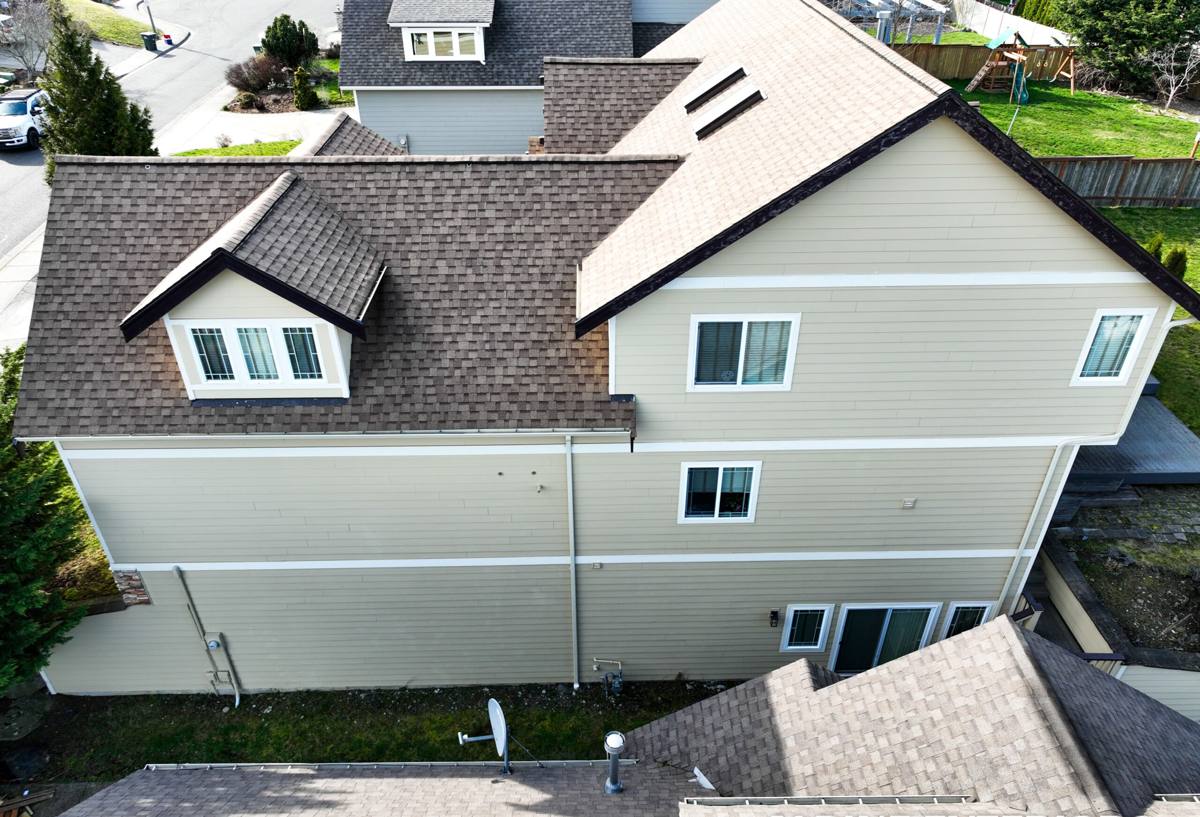
What Pinellas County Climate Does to a Roof
Before talking about installation, it helps to understand what a Dunedin roof is actually up against over its lifespan:
- UV degradation: Florida gets more sun exposure per year than almost anywhere in the continental U.S. UV breaks down asphalt shingle granules and oils over time, leading to brittleness and premature aging — especially on south- and west-facing slopes.
- Wind-driven rain: It's not just rain volume that causes leaks, it's rain being pushed sideways and upward under wind pressure. A roof that only sheds water straight down will leak under those conditions.
- Hurricane and tropical storm winds: Pinellas County sits in a high-wind zone, and Florida Building Code reflects that. Fastening patterns, underlayment, and edge details all have to meet a higher standard than in most of the country.
- Salt air corrosion: Being near the Sound means metal flashing, fasteners, and vents corrode faster than they would inland. Material choice on those components matters more here than it does 50 miles east.
- Heat cycling: Roof surface temperatures in a Gulf Coast summer can swing dramatically between day and night, which stresses seams, sealants, and fastener grip over the years.
None of this means a roof in Dunedin is doomed to fail early. It means the install has to account for these stresses instead of ignoring them, which is where a lot of cut-rate roofing jobs go wrong.
Signs a Dunedin Home Needs a Full Replacement, Not a Repair
Not every roof problem calls for a full tear-off. But there are signs that a repair is just delaying the inevitable:
- Shingles that are curling, cracking, or losing granules across large sections rather than one isolated spot
- Multiple past repairs in different areas, suggesting the whole roof is aging out at once
- Visible sagging in the roof deck, which points to underlying structural or moisture damage
- Daylight visible through the attic decking, or consistent staining on interior ceilings
- A roof approaching or past the manufacturer's expected service life for this climate — asphalt shingle roofs in coastal Florida typically age faster than the same product would inland
- Storm damage significant enough that insurance or code requirements push toward full replacement anyway
If your roof is showing two or more of these, a full replacement is usually the more honest recommendation — patch repairs on an aging roof tend to cost more over a few years than doing the job right once.
Insurance and Storm Considerations
Homeowners insurance in coastal Pinellas County has gotten more particular about roof condition and age. A documented, code-compliant new roof installation can affect both insurability and premium in ways an aging or patched roof can't. That's worth factoring into the timing decision even before storm damage forces the issue.
What a Correct New Roof Installation Actually Involves
A proper tear-off and replacement is more than swapping old shingles for new ones. For a Dunedin home, it should include:
1. Full Tear-Off and Deck Inspection
The old roofing material comes off completely, exposing the wood deck underneath. This is the point where hidden problems — soft spots, water damage, rot around vents or chimneys — get found and fixed before anything new goes down. Skipping this step, or "roofing over" an existing layer, just buries problems under a new surface.
2. Underlayment Built for Wind-Driven Rain
A high-quality synthetic or self-adhering underlayment is the roof's real waterproofing layer — the shingles are the first line of defense, but the underlayment is what keeps water out if wind pushes rain under a shingle edge. This matters more on the Gulf Coast than almost anywhere else in the country.
3. Enhanced Fastening for High-Wind Zones
Florida Building Code sets minimum wind-rated fastening patterns for coastal counties, and Pinellas County's requirements are on the stricter end. Correct nail placement, count, and pattern — not just "enough nails" — is what actually keeps shingles attached in a storm.
4. Flashing and Edge Details
Most roof leaks don't start in the open field of shingles — they start at transitions: chimneys, valleys, pipe boots, and roof edges. Corrosion-resistant flashing materials matter here given the salt air, and correct installation at these transition points is where experience really shows.
5. Ventilation
Proper attic ventilation keeps heat and moisture from building up under the deck, which protects both the new roofing material and the wood structure underneath it. In a hot, humid climate like this one, ventilation is not optional — it directly affects how long the new roof lasts.
Material Options for a Dunedin Roof
Different roofing materials handle Gulf Coast conditions differently. The right choice depends on budget, home style, and how long you plan to own the home.
| Material | Wind/Storm Performance | UV & Heat Behavior | Typical Considerations |
|---|---|---|---|
| Architectural (dimensional) asphalt shingles | Good, when rated and fastened to code | Ages faster in intense sun than in milder climates | Most common, moderate cost, wide color range |
| Metal roofing (standing seam) | Excellent wind uplift resistance | Reflects heat well, minimal UV degradation | Higher upfront cost, long service life, needs corrosion-resistant fasteners near the coast |
| Tile (concrete or clay) | Very good when properly fastened; heavy structural load | Excellent UV resistance | Higher cost, requires deck able to support the weight |
| 3-tab asphalt shingles | Lower wind rating than architectural shingles | Shorter lifespan in intense sun | Lowest upfront cost, shorter service life in this climate |
We'll walk through these trade-offs honestly based on your home's structure, your budget, and how long you're planning to stay in it — there's no single "right" material for every Dunedin roof.
Our Installation Process
- On-site inspection and estimate. We look at your current roof, attic, and structure in person and give you a written estimate — no guessing over the phone.
- Material selection. We go over options that fit your budget and the wind/UV demands of a coastal Pinellas County home.
- Permitting. Roof replacements in Oldsmar and Dunedin require permits and inspections under Florida Building Code — we handle that paperwork so you don't have to.
- Tear-off and deck repair. Old material comes off, the deck is inspected, and any damaged wood is replaced before anything new is installed.
- Underlayment, flashing, and fastening. Installed to current code standards for high-wind coastal zones, not just minimum requirements.
- Final inspection and cleanup. We walk the job with you, coordinate any required municipal inspection, and clean the property of debris and old material.
What to Expect During the Job
- Most single-family home tear-offs and replacements take one to a few days, weather permitting
- Noise and some vibration inside the home during tear-off, especially on the first day
- Driveway and yard access for material delivery and debris removal
- Pets and vehicles should be kept clear of the work area during the job
- A final walkthrough where you can ask questions before we consider the job done
Why Local Experience Matters for This Job
A roof installed by a crew that doesn't normally work this coastline can look fine on day one and still fail in ways that only show up under real storm conditions — wrong fastening pattern for the wind zone, underlayment that isn't built for wind-driven rain, or flashing material that corrodes faster than it should in salt air. None of that is visible from the ground after the job's done.
Working Dunedin and Oldsmar routinely means we already know the code requirements for Pinellas County, we already know which details fail first in a Gulf storm, and we're not learning coastal roofing on your house. That's the difference between a roof that looks new for a season and one that's actually built to hold up here.
Cost Factors to Understand Before You Get Quotes
Roofing costs vary by home, but the main factors that move the number are worth knowing before you compare estimates:
| Factor | Why It Affects Cost |
|---|---|
| Roof size and pitch | Larger and steeper roofs take more material and labor time |
| Material choice | Metal and tile cost more upfront than asphalt shingles but last longer |
| Deck condition | Rotted or damaged decking found during tear-off adds repair cost |
| Number of roof penetrations | Chimneys, skylights, and vents each need proper flashing, adding labor |
| Wind rating and code requirements | Higher wind-rated fastening and materials cost more but reduce storm risk |
| Tear-off layers | Removing multiple existing layers of roofing adds labor and disposal cost |
Be cautious of any quote that's dramatically lower than others for the same material and roof size — it usually means something is being skipped, whether that's deck repair, proper fastening, or code-required underlayment.
Get a Straightforward Estimate
If your Dunedin or Oldsmar roof is aging, showing damage, or you just want an honest read on where it stands, we're glad to take a look. There's no pressure and no hard sell — just a real inspection and a clear estimate based on what your home actually needs. Fill out the form below to get started.