 Oldsmar Siding
 Asphalt Shingle Roofing Built for Palm Harbor's Climate
Palm Harbor sits close enough to the water that every roof in the area deals with the same combination of stresses: long stretches of intense UV exposure, salt-laden air moving in off the Gulf, sudden wind-driven downpours in the summer, and the real risk of hurricane-force gusts during storm season. Asphalt shingle roofing remains one of the most practical choices for homes here, but only when it's specified and installed with those conditions in mind. A shingle roof built the same way you'd build one in a drier, calmer inland climate will not hold up the same way in Palm Harbor. The materials, the fastening pattern, the underlayment, and the flashing details all need to account for what this specific stretch of Pinellas County throws at a roof year-round.
We're an Oldsmar-based crew, and Palm Harbor is part of our regular service area — not a place we drive to occasionally for a one-off job. That matters more than most homeowners realize when it comes to roofing, and we'll explain why later in this page.
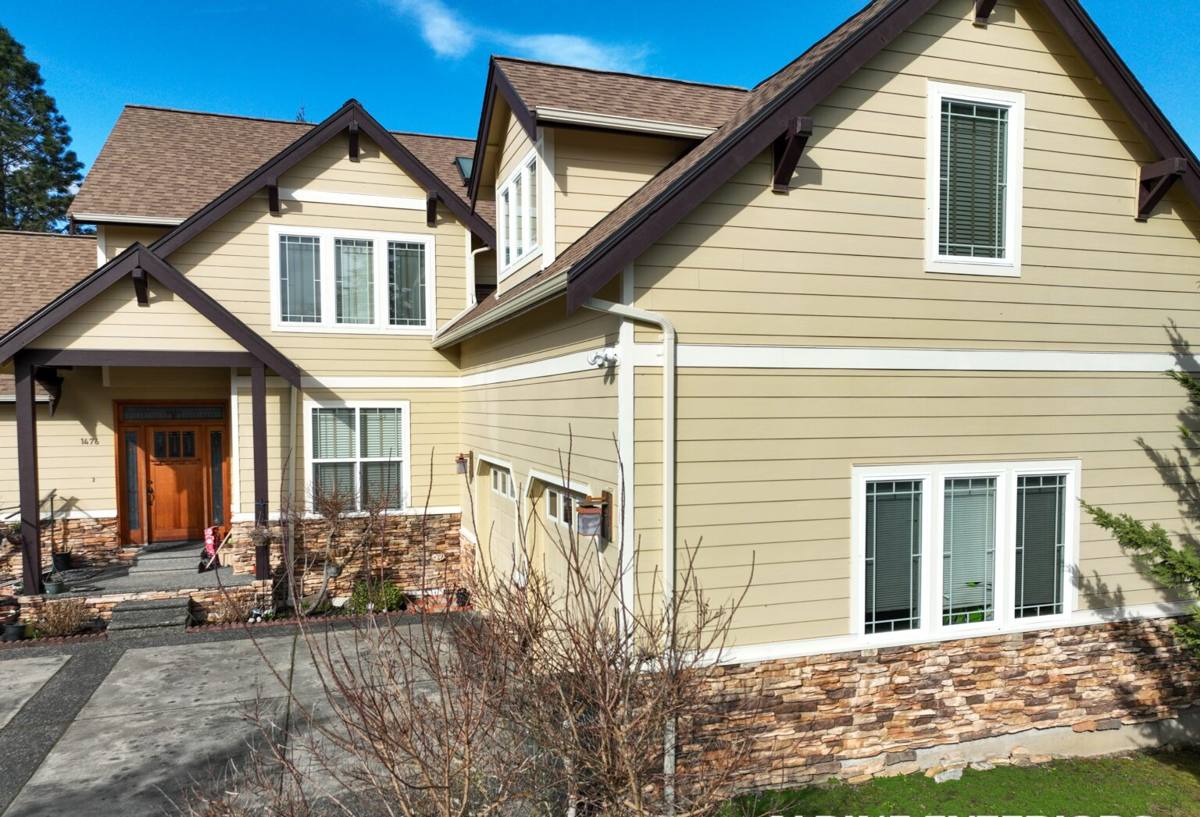
What Palm Harbor Homes Actually Need From a Shingle Roof
Before talking about brands or products, it helps to be clear on what a roof in this area is actually being asked to do. There are four recurring stress factors that shape every recommendation we make:
Wind Uplift
Pinellas County's wind exposure requirements exist for a reason. During tropical storms and hurricanes, wind doesn't just push down on a roof — it creates uplift pressure at edges, corners, and ridges that can peel shingles if the fastening pattern or shingle rating isn't sufficient. This is the single biggest factor separating a roof that survives a storm season from one that doesn't.
UV Degradation
Florida sun is relentless on roofing material. Asphalt shingles rely on a granule coating to protect the asphalt underneath from UV breakdown. Cheaper shingles, or shingles installed without adequate attic ventilation, lose that protection faster, leading to granule loss, brittleness, and premature aging well before a shingle's rated lifespan.
Wind-Driven Rain
It's not just how hard it rains — it's the angle. Wind-driven rain can work its way sideways and upward under shingle edges, valleys, and around penetrations like vent stacks and skylights. This is where underlayment quality and flashing detail work matter as much as the shingles themselves.
Salt Air
Being near coastal air means metal components — flashing, drip edge, nail heads, vent housings — are more prone to corrosion over time than the same components would be further inland. Material choice on these smaller parts matters more here than in a landlocked climate.
What a Correct Asphalt Shingle Job Involves Here
A roof that's going to hold up under these conditions is built in layers, and every layer has a job:
- Deck inspection and repair — any soft, delaminated, or water-damaged decking gets replaced before anything goes on top of it. Shingles are only as good as what they're nailed to.
- Underlayment — a synthetic or self-adhering underlayment sized for this climate's wind-driven rain exposure, with particular attention to laps and fastening so wind can't get underneath it during installation or afterward.
- Ice-and-water style membrane at vulnerable points — valleys, eaves, and roof-to-wall transitions get additional protection even though Palm Harbor doesn't see ice; the same membrane is valuable here for wind-driven rain resistance.
- Drip edge and starter strip — properly fastened metal drip edge protects the roof deck edge and gives the first course of shingles something solid to lock into.
- Shingle fastening pattern matched to wind rating — the number and placement of nails per shingle changes based on the wind rating being targeted. This is one of the most common shortcuts taken by crews unfamiliar with local wind requirements, and it's invisible once the roof is finished.
- Flashing at every penetration and wall transition — vent stacks, chimneys, skylights, and roof-to-wall junctions are where the majority of roof leaks originate, not the open shingle field.
- Attic ventilation check — proper intake and exhaust ventilation reduces attic heat buildup, which extends shingle life and helps control moisture that could otherwise lead to deck rot from the underside.
Shingle Options and Honest Trade-Offs
Homeowners are usually choosing between a few tiers of asphalt shingle. Here's how we think about the trade-offs, in plain terms:
| Shingle Type | Typical Wind Rating | Best For | Trade-Off |
|---|---|---|---|
| 3-tab shingles | Lower wind ratings | Budget-conscious re-roofs on homes with simpler roof geometry | Less wind resistance and shorter service life in coastal exposure |
| Architectural (laminated) shingles | Higher wind ratings, product-dependent | Most Palm Harbor homes — the standard recommendation | Higher material cost than 3-tab, but better performance-to-cost balance |
| Impact-rated/high-wind architectural shingles | Highest available ratings | Homes wanting maximum storm resilience or insurance credit potential | Highest upfront material cost |
We don't push homeowners toward the most expensive option by default. We size the recommendation to the specific roof — its slope, its exposure, and the homeowner's own priorities around cost versus long-term durability. What we won't do is install a shingle system with a fastening pattern or underlayment that's under-built for what this area actually experiences, regardless of which shingle tier is chosen.
Our Process on a Palm Harbor Re-Roof
Every project follows the same sequence, whether it's a full tear-off or a smaller section replacement:
- On-site inspection — we walk the roof (not just look at it from the ground), check the attic where accessible, and note deck condition, ventilation, flashing condition, and any existing damage.
- Written scope and estimate — a clear breakdown of what's being replaced, what materials are specified, and why, so there are no surprises once work starts.
- Material staging — we coordinate delivery timing around weather, which matters more here than in most parts of the country given how quickly a clear forecast window can close in summer.
- Tear-off and deck inspection — old roofing is removed down to the deck, and any damaged decking is identified and replaced before moving forward.
- Underlayment and flashing installation — the protective layers that do the real work go on first, with extra attention at valleys, penetrations, and wall transitions.
- Shingle installation — installed to the fastening pattern required for the wind rating being targeted, not a generic pattern applied everywhere regardless of climate.
- Cleanup and final walk-through — magnetic sweep for nails, debris removal, and a walk-through so the homeowner can see the finished work and ask questions before we consider the job done.
Signs a Palm Harbor Roof Needs Attention
Homeowners often wait too long to have a roof looked at because the damage isn't obvious from the driveway. Watch for these:
- Granules collecting in gutters or at downspout outlets
- Shingles that look curled, cupped, or lifted at the edges
- Dark streaking or staining that doesn't wash off
- Soft spots noticed when walking the roof (a sign of possible deck damage)
- Visible daylight or water stains in the attic, especially near vent penetrations
- Missing or displaced shingles after a storm, even if no leak has shown up yet
- A roof approaching or past 15-20 years old that hasn't had a full inspection recently
Catching these early is almost always cheaper than waiting for an interior leak to force the issue.
Why a Local Palm Harbor and Oldsmar Crew Matters
Roofing is one of the trades where local experience genuinely changes the outcome, not just the convenience. A crew that regularly works Pinellas County roofs already knows the wind exposure realities for this part of Florida, has a working relationship with the local permitting process, and has seen firsthand how different shingle systems perform after a few storm seasons here — not just on paper. That translates into fewer surprises during inspection, a scope that's sized correctly the first time, and a crew that's still local and reachable if a question comes up after the job is finished. We work in Oldsmar and the surrounding Pinellas County communities, including Palm Harbor, as a matter of routine, not as an occasional service call.
Maintenance That Extends the Life of a Shingle Roof Here
A well-installed roof still benefits from basic upkeep, especially in this climate:
- Keep gutters and downspouts clear so water sheds off the roof edge properly during heavy rain
- Trim overhanging branches that drop debris or create abrasion points on the shingle surface
- Have the roof looked at after any major storm, even if nothing looks obviously wrong
- Address small flashing or sealant issues promptly — they're inexpensive to fix early and expensive to ignore
- Schedule a periodic inspection every few years rather than waiting for a visible problem
Ready to Talk About Your Roof?
If you're weighing a repair versus a full replacement, or just want an honest read on where your roof stands, we're happy to take a look. Reach out for a free, no-pressure estimate using the form below — we'll walk the roof, answer your questions, and give you a straight assessment before anything is decided.