 Oldsmar Siding
 Why Palm Harbor Roofs Wear Out Faster Than the Manual Says
Every asphalt shingle and metal panel sold in Florida comes with a manufacturer's expected lifespan based on lab testing, not on a roof that sits a few miles from the Gulf in Pinellas County. Palm Harbor homes deal with a combination of stressors that most of the country never sees at the same time: hurricane-force wind gusts during storm season, intense year-round UV exposure that bakes shingles from above, wind-driven rain that gets pushed sideways under flashing and fascia, and a steady drift of salt air off the water that accelerates corrosion on fasteners, vents, and metal components.
None of these factors on their own is unusual for a Florida roof. Together, over years, they explain why a roof that's "only" 15 years old in Palm Harbor can already show granule loss, curling shingle edges, rusted nail heads, or soft decking — problems a roof of the same age might not have 200 miles inland. A correct installation has to account for all of it from day one, not patch around it later.
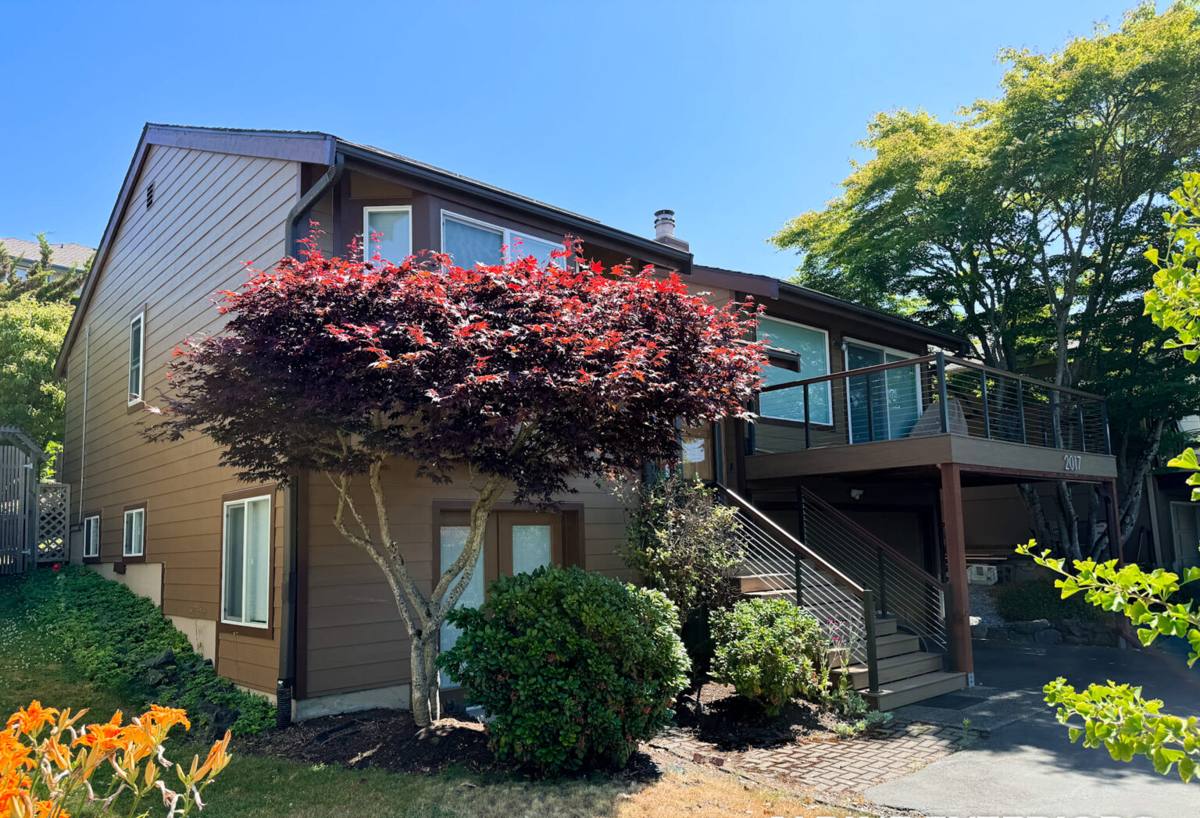
Signs a Palm Harbor Roof Is Due for Replacement
Not every roofing problem calls for a full tear-off. But there's a point where repairs stop being cost-effective and start being a way to delay an inevitable, larger bill. Common signs we look for on Palm Harbor homes include:
- Shingles that are curling, cupping, or losing granules in patches rather than evenly
- Visible daylight or water staining in the attic near roof penetrations
- Soft or spongy spots when walking the roof deck
- Rust streaking around metal flashing, vents, or fasteners
- A roof that's been through two or more named storms without a post-storm inspection
- Missing or lifted shingles after wind events, even if no leak has shown up yet
That last point matters more here than in most places. Wind damage doesn't always leak right away — it often creates a weak point that fails during the next storm, not the one that caused it.
What a Correct Roof Installation Actually Involves
Full Tear-Off, Not a Layover
Florida code and basic physics both argue against installing new shingles over old ones. A layover traps heat, hides deck problems, and voids most manufacturer warranties outright. Every new roof install should start with a complete tear-off down to the decking.
Deck Inspection and Repair
Once the old roofing is off, the plywood or OSB decking underneath gets inspected board by board. Soft, delaminated, or water-stained decking gets replaced before anything new goes down — skipping this step is one of the most common shortcuts in the industry, and it's the one that causes soft spots and leaks a few years later.
Underlayment and Water Barrier
Given how much wind-driven rain Palm Harbor sees, the underlayment layer is not a place to cut costs. A synthetic underlayment with sealed or taped seams, combined with self-adhering ice-and-water-shield-style membrane at eaves, valleys, and penetrations, gives the roof a real second line of defense if wind ever drives water up under the shingles.
Flashing and Penetrations
Chimneys, skylights, plumbing vents, and wall-to-roof transitions are where the vast majority of leaks actually start — not in the open field of shingles. Correct flashing means new metal at every penetration, proper step flashing at walls, and counterflashing that's actually integrated into the surface it meets, not just caulked on top of it.
Fastening and Wind Rating
Nail pattern and fastener count directly determine how a roof performs in high wind. Building code in this region sets minimum requirements, and for a home this close to the coast, we typically fasten to the higher end of what's allowed rather than the bare minimum, especially in field and edge zones where wind uplift is strongest.
Attic Ventilation
Proper intake and exhaust ventilation keeps attic temperatures down, which slows shingle aging from underneath and helps control moisture. A new roof is the right time to correct ventilation that was never balanced in the first place.
Roofing Material Options for Palm Harbor Homes
There's no single "best" roofing material — the right choice depends on budget, how long you plan to stay in the home, and how much maintenance you're willing to do. Here's how the common options compare for this climate:
| Material | Typical Lifespan Here | Wind/Storm Performance | Maintenance |
|---|---|---|---|
| Architectural Asphalt Shingle | 15–25 years | Good, when high wind-rated products and proper fastening are used | Low — periodic inspection |
| Standing Seam Metal | 40–50+ years | Excellent uplift resistance; concealed fasteners | Very low |
| Concrete or Clay Tile | 40–50+ years | Strong if installed with correct fastening; individual tiles can crack from impact | Moderate — occasional tile replacement |
| 3-Tab Asphalt Shingle | 12–18 years | Lower wind rating than architectural shingles | Low, but shorter service life |
For most Palm Harbor homeowners doing a straightforward replacement, a high wind-rated architectural asphalt shingle offers the best balance of upfront cost and real-world durability. Homeowners planning to stay long-term, or looking to reduce future maintenance and insurance costs, often find metal worth the higher installed price.
Permits, Code, and Wind Mitigation
Roof replacements in Pinellas County require a permit, and the work has to meet current Florida Building Code wind-resistance requirements — which are stricter here than in most of the country for good reason. A licensed roofing contractor pulls the permit, schedules the required inspections, and builds the roof to pass them, not just to look finished.
It's also worth having a wind mitigation inspection done after a new roof goes on. Insurance companies in Florida offer real premium discounts for features like a properly nailed deck, hip roof geometry, and secondary water resistance — but only if there's documentation. A new roof is the natural time to get that inspection done and put the savings toward the cost of the job.
How Our Process Works
We keep the process straightforward and try not to waste your time with sales pressure:
- On-site inspection. We walk the roof and attic, check the deck condition where accessible, and note storm or age-related damage.
- Written estimate. You get a clear scope of work and price — material options, tear-off scope, and any deck repair contingencies spelled out up front, not discovered mid-job.
- Permitting. We pull the required Pinellas County permit before work starts.
- Tear-off and deck repair. Old roofing comes off, decking gets inspected and repaired as needed, with photos so you can see what was found.
- Installation. Underlayment, flashing, and the roofing material go on to code and manufacturer specification.
- Final inspection and cleanup. The job passes county inspection, the site gets cleared of debris and nails, and we walk it with you before calling it done.
Why a Crew That Already Works Palm Harbor Matters
Roofing quality depends heavily on details that a generic, out-of-area crew is more likely to get wrong: knowing which wind-rated products actually hold up under Gulf Coast storm conditions, understanding Pinellas County's permitting and inspection process well enough not to cause delays, and recognizing salt-air corrosion or humidity-driven deck damage before it becomes a bigger problem. A contractor who works Oldsmar and Palm Harbor regularly isn't learning these lessons on your roof — they've already learned them on the last one.
There's also a practical, after-the-fact benefit: a local crew is easy to reach if a question comes up during the next storm season, rather than a company that did one job in the area and moved on.
What to Ask Before You Sign a Roofing Contract
- Are you licensed and insured to work in Pinellas County, and can you provide proof?
- Does the estimate include a full tear-off, or is layover an option being offered?
- What underlayment and flashing materials are specified, not just the shingle brand?
- What happens if soft or damaged decking is found — is repair priced up front or billed as a surprise change order?
- What is the manufacturer's wind rating on the proposed shingle or system, and does the installation method preserve the warranty?
- Will you pull the permit and handle required inspections, or is that left to me?
- Can I get a wind mitigation inspection after the job for insurance purposes?
A contractor who answers these plainly, without hedging, is usually one worth hiring. A contractor who gets vague or defensive about any of them is worth a second opinion.
Get a Straight Answer About Your Roof
If your Palm Harbor roof is showing its age, took a hit in the last storm, or you're just tired of wondering how much longer it's got, an in-person look tells you more than any online estimate ever could. We'll give you an honest assessment of what your roof actually needs, walk you through material options that make sense for this climate, and put together a clear, no-pressure estimate — use the form below to request one.