 Oldsmar Siding
 Roof Repair Built for Dunedin's Weather, Not Just Any Roof
Dunedin sits close enough to the water that its homes take on a specific combination of stress most inland roofs never see: salt-laden air, wind-driven rain that finds its way under flashing and shingle tabs, and sun exposure that runs nearly year-round. Add in the occasional hurricane-force wind event that Pinellas County plans for every season, and you have a roof that ages differently than one fifty miles inland. A repair that works on a roof in a drier, calmer climate can fail fast here if it doesn't account for those conditions.
This page is about one job, done right, in one area: roof repair for Dunedin homes. Not a full tear-off, not a generic overview of roofing — the specific work of finding what's actually wrong, fixing it so it stays fixed, and doing it in a way that respects how this coastal climate behaves.
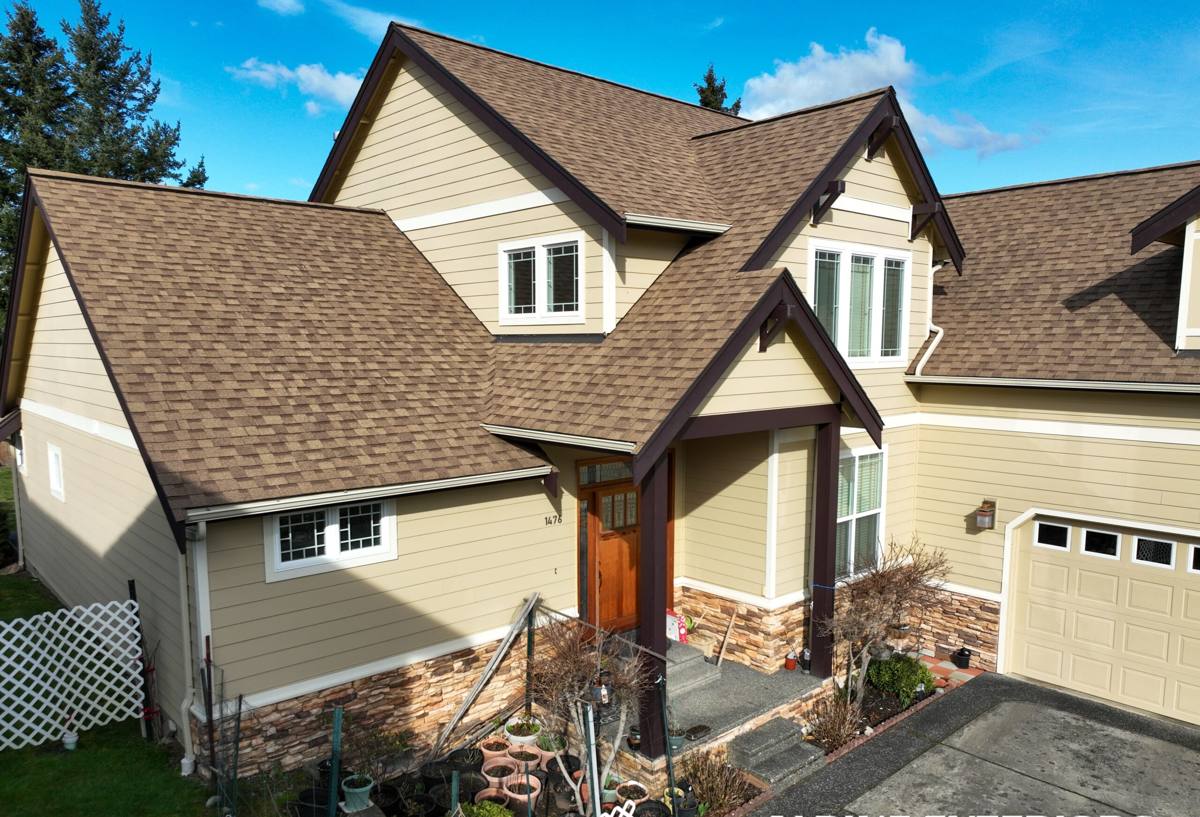
What Dunedin's Climate Actually Does to a Roof
Before getting into repair specifics, it helps to understand what's working against the roof in the first place. Three factors dominate:
Wind-Driven Rain
Rain that falls straight down is easy for a roof to shed. Rain that's being pushed sideways by strong wind is a different problem — it can travel up under shingle tabs, around flashing edges, and into vents that were never designed to face that kind of pressure. Most of the "mystery leaks" we find during a Dunedin service call aren't from a hole in the roof; they're from water that got pushed in sideways during a storm and traveled along the underlayment before showing up as a stain somewhere else in the house entirely.
Salt Air and Corrosion
Coastal salt air accelerates corrosion on any exposed metal — nail heads, flashing, drip edge, vent boots with metal collars. A fastener or flashing piece that would last decades in a dry inland climate can start showing rust and pitting years sooner near the water. Once metal components corrode, they stop sealing properly, and that's when small leaks start.
Intense, Near-Constant UV
Florida sun is hard on roofing materials year-round, not just in summer. UV breaks down the oils and resins in asphalt shingles, making them brittle and prone to cracking. It also dries out sealants and caulking faster than manufacturers' general climate assumptions account for. A roof that looks fine from the ground can already have UV-brittle shingles that crack the moment they're walked on or hit with debris.
Every repair we make on a Dunedin roof is done with these three forces in mind — not just patching what's visibly broken today, but making sure the fix holds up against what's coming next season.
Signs a Dunedin Roof Needs Repair Now
Some damage is obvious. A lot of it isn't — it shows up as a small stain, a slightly higher water bill, or a musty smell in a closet that shares a wall with the attic. Here's what we tell homeowners to watch for:
- Water stains on ceilings or upper walls, especially ones that appear or grow after a windy rainstorm
- Missing, curled, or cracked shingles — easiest to spot from the ground with binoculars after a storm
- Granules collecting in gutters or at downspout outlets, a sign asphalt shingles are wearing thin
- Visible rust streaks below metal flashing, vent boots, or valleys
- Soft or spongy spots on the roof deck if you're up there for another reason, like gutter cleaning
- Daylight visible through the attic roof deck, seen from inside during daytime
- Cracked or lifted sealant around vent pipes, skylights, or chimney flashing
- A musty smell or visible mold in the attic, which often means moisture has been getting in for a while before anyone noticed
None of these mean the whole roof needs to come off. Most of them mean a specific area needs attention before the next storm turns a small problem into a ceiling repair inside the house.
What a Correct Roof Repair Actually Involves
A roof repair that's done properly isn't just sealing the spot where water is showing up inside — that's often nowhere near where the water actually got in. Water travels along the underlayment and roof deck before it drips somewhere visible, so a repair has to trace the path back to the real entry point.
Finding the Real Source
This starts with a physical inspection of the roof surface, not just the ceiling stain. We look at flashing around penetrations (vent pipes, chimneys, skylights), valleys where two roof planes meet, the edges where roof meets wall, and any spot where wind could have lifted or loosened shingles or tiles.
Flashing and Sealant Work
Flashing — the metal or composite material that seals transitions and penetrations — is where most leaks originate, not the open field of the roof. A correct repair replaces failed or corroded flashing rather than just caulking over it, since caulk over corroded metal is a short-term fix that fails again within a season or two, especially with salt air accelerating the corrosion underneath.
Matching Materials
Whether the roof is asphalt shingle or tile, a repair should use materials that match the existing roof in type, profile, and as close to color as reasonably available. A visibly mismatched patch isn't just a cosmetic issue — it can also behave differently in wind and rain than the surrounding material, creating a new weak point.
Underlayment Integrity
If the underlayment beneath the repaired area is compromised — torn, saturated, or brittle from age and UV exposure — replacing just the surface material without addressing the underlayment leaves the underlying vulnerability in place. We check this any time we open up an area for repair.
Repair or Replace? How We Help You Decide
Not every damaged roof needs to be replaced, and not every roof that "just needs a patch" is actually a good repair candidate. The honest answer depends on the roof's age, how widespread the damage is, and what condition the rest of the roofing system is in.
| Factor | Favors Repair | Favors Replacement |
|---|---|---|
| Roof age | Roof is within the first half to two-thirds of its expected service life | Roof is near or past the end of its expected service life |
| Extent of damage | Damage is isolated to one area or a few penetrations | Damage is spread across multiple sections of the roof |
| Underlayment condition | Underlayment is still intact and flexible in the affected area | Underlayment is widely brittle, torn, or saturated |
| Material availability | Matching material is available for a clean, blended repair | Original material is discontinued or badly weathered relative to available stock |
| Storm history | Recent wind or hail event caused specific, identifiable damage | Roof shows cumulative wear from years of UV and storm exposure |
We walk through this with the homeowner directly during the inspection — showing what we found, explaining what it means, and giving a straight recommendation. If a repair is the honest answer, that's what we propose. If the roof is genuinely past the point where repair makes sense, we'll say that too, along with why.
How Our Dunedin Repair Process Works
- Inspection. We assess the roof surface, attic (where accessible), flashing, and penetrations to identify the actual source of the problem, not just where symptoms are showing up.
- Documentation. We take photos of the damage and affected areas, which is useful both for the homeowner's records and if an insurance claim is involved.
- Written scope. We explain what needs to happen, why, and provide a clear estimate before any work starts — no vague line items.
- Repair. We complete the work using materials matched to the existing roof, with attention to flashing, sealant, and underlayment as needed, not just surface patching.
- Final check. We confirm the repair area is sealed and weathertight before considering the job complete.
For storm-related damage, we can also provide the kind of clear documentation that helps if you're working with an insurance adjuster — photos, a written description of the damage, and an honest assessment of what caused it.
Why a Crew That Already Works Dunedin Matters
Roof repair isn't just about technical skill — it's about knowing the conditions a roof in this specific area is dealing with. A crew that regularly works Dunedin and the surrounding Oldsmar area has a working sense of which failure points show up most often in this climate, what local permitting for repair work typically requires, and how coastal wind and salt exposure actually behave on a roof over time, rather than working from general assumptions.
There's also a practical side: familiarity with common roofing systems and shingle or tile profiles used across Pinellas County homes makes it easier to source a close material match quickly, instead of guessing or special-ordering something that delays the repair while a leak sits unaddressed. And when storms roll through Pinellas County, a local crew can typically respond faster than one traveling in from farther away — timing that matters when water is actively getting into a home.
Keeping a Dunedin Roof in Good Shape Between Repairs
A repair fixes a specific problem. Regular attention keeps new ones from developing, especially given how hard the local climate is on roofing materials. A simple maintenance rhythm goes a long way:
- Have the roof visually inspected after any significant wind event, even if no leak has shown up yet
- Keep gutters and downspouts clear so water isn't backing up under the roof edge
- Trim back tree limbs that overhang the roof, which cause both abrasion damage and debris buildup in valleys
- Check attic insulation and ventilation periodically — poor ventilation traps heat and moisture that accelerate shingle wear from underneath
- Address small issues (a lifted shingle tab, a cracked pipe boot) promptly rather than waiting for them to become interior leaks
None of this requires a major investment — it's mostly about not letting small, cheap-to-fix issues sit until they become expensive ones.
Get a Straight Answer About Your Roof
If you're dealing with a leak, storm damage, or just want an honest read on a roof that's showing its age, we're glad to come take a look. The estimate is free, there's no pressure to move forward, and you'll get a clear explanation of what we find and what it would take to fix it — whether that's a repair or something more. Use the form below to get started.