 Oldsmar Siding
 Roof Repair Built for Tampa's Weather, Not a Generic Climate
Tampa sits in one of the toughest environments in the country for a roof to survive. Between Hillsborough County's summer storm cycle, the salt-laden air blowing in off Tampa Bay, and the kind of UV exposure that only a year-round Florida sun can deliver, roofs here age differently than they do almost anywhere else. A repair approach that works fine in a milder climate can fail within a season in Tampa if it doesn't account for how heat, wind, and moisture actually interact on a Gulf Coast roof.
We work throughout the greater Tampa Bay area, including communities near Oldsmar, and we've seen firsthand how the same roof problem shows up differently depending on which side of the bay a house sits on, how much tree cover it has, and how old the underlayment is. This page focuses specifically on roof repair for Tampa homes — not a general overview — because the right fix depends on understanding the conditions your roof is actually up against.
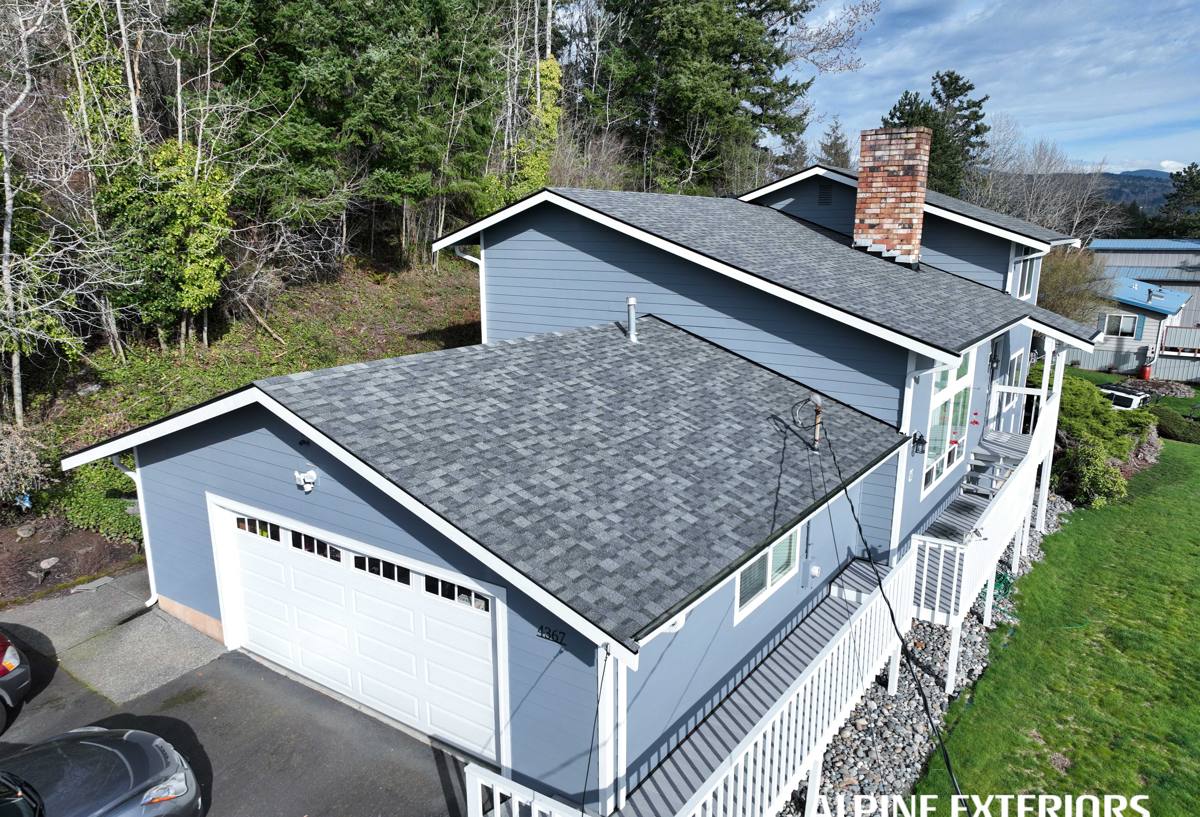
Why Tampa Roofs Take More Damage Than People Expect
Hurricane-Force Wind Events
Even when a storm doesn't make landfall directly, Tampa routinely sits inside the wind field of tropical systems moving through the Gulf. Sustained high winds lift shingle tabs, work fasteners loose, and stress flashing at every roof penetration — vents, chimneys, skylights. The damage isn't always dramatic. Often it's a handful of compromised shingles or a flashing seam that's shifted just enough to let water in during the next rain.
Wind-Driven Rain
Rain that falls straight down is manageable for almost any roof system. Rain that's being driven sideways at 40-60 mph finds every gap in a roof's defenses — under shingle edges, behind poorly sealed flashing, through nail holes that have backed out slightly. This is why so many Tampa roof leaks appear during or right after a storm rather than during ordinary weather.
Intense, Constant UV Exposure
Florida's sun isn't seasonal the way it is farther north — it's a year-round factor. UV breaks down the asphalt oils in shingles, causing granule loss and brittleness over time. A roof that looks fine from the ground can have shingles that have lost enough flexibility that they crack under foot traffic or wind stress, especially on south- and west-facing slopes that take the most direct sun.
Salt Air Corrosion
Proximity to Tampa Bay means airborne salt is a constant, low-grade factor. It accelerates corrosion on exposed metal — nail heads, flashing, drip edge, vent stacks — well before the shingles themselves would otherwise need attention. A repair that doesn't address corroding metal components is a repair that's likely to need redoing sooner than it should.
What a Correct Tampa Roof Repair Actually Involves
A roof repair done right isn't just "replace what's obviously missing." It's a diagnostic process followed by a fix that matches the actual cause of the problem, not just the visible symptom.
Finding the Real Source of a Leak
Water rarely enters where it shows up on a ceiling. It can travel along rafters, sheathing, or underlayment before finding a path inside, which means a stain in a bedroom might trace back to a flashing failure several feet away, often near a chimney, vent, or roof-to-wall junction. Chasing the visible stain instead of the actual entry point is the single most common reason repairs don't hold.
Checking What's Underneath
Surface shingles tell only part of the story. Underlayment condition, decking integrity, and how fasteners have held up matter just as much. If wind-driven rain has been getting under the shingle layer for a while, there may be underlayment or decking issues that need to be addressed as part of the repair — not papered over.
Matching Materials and Fastening Method to Wind Exposure
Repairs in a hurricane-prone market need fastening patterns and material choices suited to high-wind conditions, not just whatever is fastest to install. This includes proper nail placement (not staples, and not high-nailing above the manufacturer's strip), correctly sealed flashing, and shingle products rated for the wind exposure the property actually sees.
Our Repair Process
- Inspection and documentation. We examine the roof surface, flashing points, penetrations, attic (when accessible), and any visible interior water staining to identify the actual cause, not just the symptom.
- Honest assessment. We explain what we found, what's causing it, and whether a targeted repair is the right call or whether the damage points to a bigger issue worth knowing about. We're not going to recommend a full re-roof when a repair will genuinely hold, and we're not going to patch something that needs more than a patch.
- Written scope and price range. Before any work starts, you know what's being done and roughly what it will cost.
- Repair work. This may include shingle replacement, flashing repair or replacement, underlayment patching, sealant renewal at penetrations, and fastener correction — done to hold up against Tampa's wind and rain conditions, not just to look fixed.
- Final check. We confirm the repair area is properly sealed and integrated with the surrounding roof so water has nowhere new to go.
Common Tampa Roof Repair Scenarios
Post-Storm Damage
After any significant wind event, it's worth having a roof checked even if there's no obvious leak yet. Lifted or cracked shingles and loosened flashing don't always announce themselves right away — sometimes the first sign is a leak weeks later during an unrelated rain.
Flashing Failures
Flashing around chimneys, skylights, and roof-to-wall transitions is one of the most common repair points on Tampa roofs. Metal flashing exposed to salt air and constant thermal cycling can corrode or work loose from the surrounding materials over time.
Granule Loss and Sun-Damaged Shingles
Shingles that have lost significant granule coverage from UV exposure are more vulnerable to further wind and water damage. Depending on the extent, this can sometimes be addressed with targeted repair; more widespread granule loss usually signals the roof is nearing the end of its useful life.
Vent and Penetration Leaks
Plumbing vents, exhaust vents, and other roof penetrations rely on boots and collars that degrade faster in intense sun than the shingles around them. These are a frequent, and often inexpensive, source of leaks that get misdiagnosed as something bigger.
Repair vs. Replacement: How We Help You Decide
| Factor | Points Toward Repair | Points Toward Replacement |
|---|---|---|
| Age of roof | Under 12-15 years, good overall condition | Near or past typical shingle lifespan |
| Extent of damage | Isolated to one section or penetration | Widespread across multiple slopes |
| Underlayment/decking condition | Intact, no significant water intrusion history | Soft decking, saturated underlayment |
| Granule loss | Localized to one area | Widespread, shingles brittle throughout |
| Storm damage pattern | Limited number of shingles/flashing points affected | Damage scattered across the whole roof surface |
These are general guidelines, not hard rules — the actual condition of your roof during inspection is what determines the honest recommendation.
What to Check Before You Call Anyone
- Interior ceiling stains, especially near chimneys, skylights, or where two roof planes meet
- Missing, cracked, or curling shingles visible from the ground
- Granules collecting in gutters or at downspout outlets
- Visible daylight or gaps around vent boots and flashing (if attic access allows a safe look)
- Any repair work done after a prior storm that may need a follow-up check
- Soft spots or sagging when walking the roofline visually from the ground (not something to check by walking the roof yourself)
Why Hiring a Crew That Already Works in Tampa Matters
Roof repair isn't a one-size-fits-all trade. A crew that regularly works Tampa Bay roofs has already seen how salt air corrodes specific flashing types, how local wind patterns stress certain roof geometries more than others, and which repair shortcuts fail fastest in this climate. That's not something a generic national checklist teaches — it comes from doing the work here, repeatedly, and seeing what holds up and what doesn't.
It also means faster, more accurate diagnosis. Someone unfamiliar with Gulf Coast roofing conditions may spend more time ruling things out; a crew that knows the common Tampa-area failure points can often narrow down the likely cause more efficiently, which keeps the inspection and repair process shorter and more focused.
Maintenance That Extends a Repair's Lifespan
A repair is only as good as the roof condition around it. A few habits make a meaningful difference in Tampa's climate:
- Keep gutters clear so water isn't backing up under the roof edge during heavy rain
- Trim back overhanging branches that hold moisture against the roof surface and drop debris into valleys
- Have the roof checked after any named storm or significant wind event, even without visible damage
- Address small issues (a lifted shingle, a cracked pipe boot) early rather than waiting for a leak to appear inside
If you're dealing with a leak, storm damage, or just want an honest read on your roof's condition, we're happy to take a look. The estimate is free, there's no pressure, and you'll get a straight answer about what your roof actually needs — use the form below to get started.