 Oldsmar Siding
 Homes in the Clearwater area near Oldsmar sit in one of the toughest climates in the country for a roof to survive. Between hurricane-force wind events, relentless UV exposure nearly every day of the year, wind-driven rain that finds its way into anything less than a tight installation, and the slow corrosive effect of salt-laden air off the Gulf, a roof here is working harder than a roof almost anywhere else in the country. When it's time to replace one, the details matter more than they would in a milder climate.
This page covers what a roof replacement actually involves for homes in this part of Pinellas County, what "correct" looks like on paper and in practice, and why local experience changes the outcome.
Why Roofs Wear Out Faster Here
Every roofing material has a rated lifespan, but those numbers are usually generated under lab conditions or in more moderate climates. Clearwater and Oldsmar roofs face a combination of stresses that shortens real-world service life:
- UV degradation: Constant sun exposure breaks down asphalt oils in shingles and dries out sealants, making materials brittle years before their rated age.
- Wind uplift: Tropical storms and hurricanes generate uplift forces at roof edges and corners that can peel back shingles, tiles, or underlayment if fastening and flashing weren't done to spec.
- Wind-driven rain: Rain that comes in sideways during a storm can work its way under flashing, at valleys, and around penetrations that would stay dry in a normal rainfall.
- Salt air corrosion: Being close to the Gulf means metal fasteners, flashing, and vents are exposed to airborne salt that accelerates rust and corrosion, especially on lower-grade hardware.
None of these factors alone destroys a roof overnight. Together, over years, they explain why so many replacements in this area happen earlier than a homeowner might expect based on the "20-year" or "30-year" number printed on the shingle bundle.
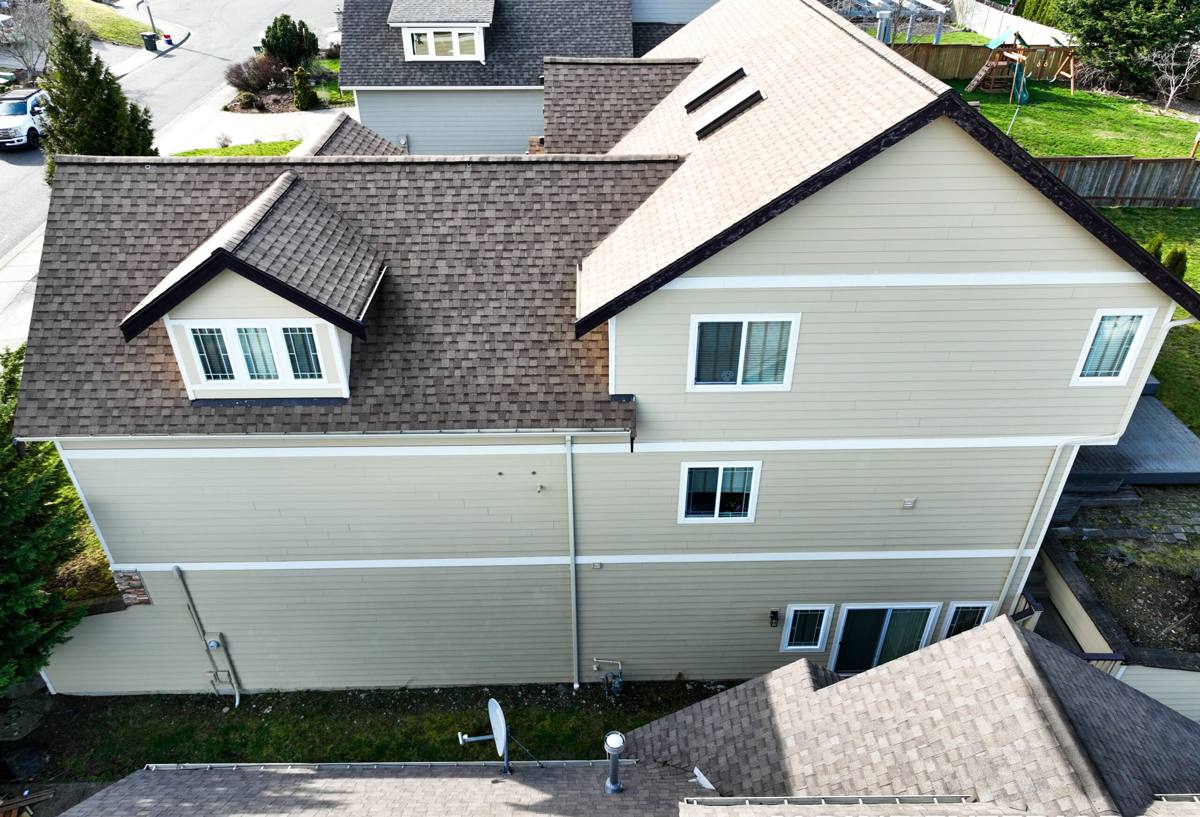
Signs a Clearwater-Area Home Needs a Replacement, Not a Repair
Not every roof problem calls for a full replacement. But there's a point where patching becomes a losing bet — you keep spending money and the underlying material keeps failing. Common signals include:
- Granule loss heavy enough to expose the shingle mat, especially on south- and west-facing slopes that take the most sun.
- Multiple past repairs in different areas of the roof, suggesting the material itself has aged out rather than one isolated failure.
- Soft spots in the decking found during an inspection, which usually mean water has been getting through for a while.
- Visible curling, cupping, or cracking shingles, or lifted/missing tiles after a windstorm.
- Rusted or corroded flashing, vents, or fasteners — common in salt-air exposure and a sign the metal components are past their service life even if the shingles look okay.
- Interior staining on ceilings or in the attic, which points to an active leak path.
An honest inspection should tell you plainly whether you're looking at a repair or a replacement — and explain why, not just recommend the bigger job by default.
What a Correct Roof Replacement Involves
A roof replacement is more than stripping old material and nailing down new shingles. In a wind and rain climate like this one, the layers underneath the visible roofing are what actually keep water out during a real storm.
Tear-Off and Deck Inspection
Full tear-off to the decking lets the crew actually see the plywood or OSB underneath. Any decking that's soft, delaminated, or water-damaged needs to be replaced before anything new goes down — covering over bad decking just hides the problem for the next owner or the next storm.
Underlayment
Underlayment is the roof's backup layer if wind ever lifts or damages the outer material. In this climate, a quality synthetic or self-adhering underlayment at valleys, eaves, and other vulnerable areas is not optional upgrade — it's the difference between a nuisance leak and real interior damage during a bad storm.
Flashing and Penetrations
Flashing around chimneys, vents, skylights, and roof-to-wall transitions is where most leaks actually start, not in the open field of the roof. Correct flashing work, using corrosion-resistant materials given the salt air here, matters as much as the shingles themselves.
Fastening for Wind
Nailing pattern and fastener count aren't just code minimums to hit — they're the actual difference between shingles that stay put in a tropical-storm-force gust and shingles that don't. Pinellas County's building code reflects the local wind risk, and a correct installation follows it, not a shortcut version of it.
Ventilation
Proper attic ventilation keeps heat and moisture from building up under the new roof, which protects both the roofing material and the decking from premature failure and helps with energy costs in a climate that's hot most of the year.
Material Options and Trade-Offs
There's no single "best" roofing material for every home — the right choice depends on budget, the look you want, and how much long-term maintenance you're willing to take on. Here's a general comparison relevant to this climate:
| Material | Wind/Storm Performance | Maintenance | Typical Lifespan Here |
|---|---|---|---|
| Architectural asphalt shingles | Good, when properly fastened and rated for high wind | Low to moderate | 15-22 years, shorter with heavy sun exposure |
| 3-tab asphalt shingles | Fair; more vulnerable to wind uplift than architectural | Low to moderate | 12-18 years |
| Metal roofing | Very good; performs well in high wind when installed correctly | Low | 30-40+ years, with attention to fastener corrosion over time |
| Concrete or clay tile | Good for the tile itself; underlayment failure is the more common issue | Moderate (occasional tile replacement, underlayment service) | Tile itself 30-50 years; underlayment often needs attention sooner |
Whatever the material, our standard is to match the fastening and underlayment specification to the wind and rain conditions here, not just the manufacturer's baseline installation instructions written for a national market.
Our Process for a Clearwater-Area Replacement
- On-site inspection and honest assessment — we look at the decking, flashing, ventilation, and current material condition, and tell you plainly what we find.
- Written estimate — covering material options, scope of work, and timeline, so there are no surprises once work starts.
- Permitting — roof replacements in Pinellas County require a permit and inspection; we handle that process as part of the job.
- Tear-off and deck repair — full removal of old material, with any damaged decking replaced before new roofing goes on.
- Underlayment and flashing installation — done to a standard suited for wind-driven rain, not just the minimum.
- New roofing installation — fastened to the wind-rated specification for the material and this region.
- Final inspection and cleanup — including magnetic sweep for stray fasteners and full site cleanup.
Why Local Experience Matters
A roof replacement is fundamentally the same trade everywhere — but the details that determine whether a roof survives its first real storm are regional. A crew that regularly works in Oldsmar and the Clearwater area already knows the local wind and code requirements, has relationships with the local permitting office, and has seen firsthand what happens to roofs that were installed without accounting for salt air and wind-driven rain. That's not something a crew unfamiliar with this coastline picks up on the first job.
Timing and Planning Considerations
A few practical points worth knowing before you plan a replacement:
- Scheduling outside of hurricane season, when possible, reduces the risk of weather delays mid-project.
- A roof replacement typically takes one to a few days for most homes, depending on size, material, and whether decking repairs are needed.
- Insurance considerations vary by policy and by how the existing roof failed or aged — it's worth reviewing your policy before starting, particularly if storm damage is involved.
- Getting a written, itemized estimate before work begins protects you if questions come up later about what was included.
Questions Worth Asking Any Roofing Contractor
- Will you do a full tear-off, or is any of the old material being left in place?
- What underlayment and flashing materials are you using, and why those specifically for this area?
- What's the fastening spec, and does it meet or exceed the local wind requirements?
- Who's pulling the permit, and will there be a final inspection?
- What does the workmanship warranty cover, separate from the manufacturer's material warranty?
If your roof is showing its age or you just want an honest opinion on whether repair or replacement makes more sense, we're happy to come take a look. Fill out the form below for a free, no-pressure estimate.