 Oldsmar Siding
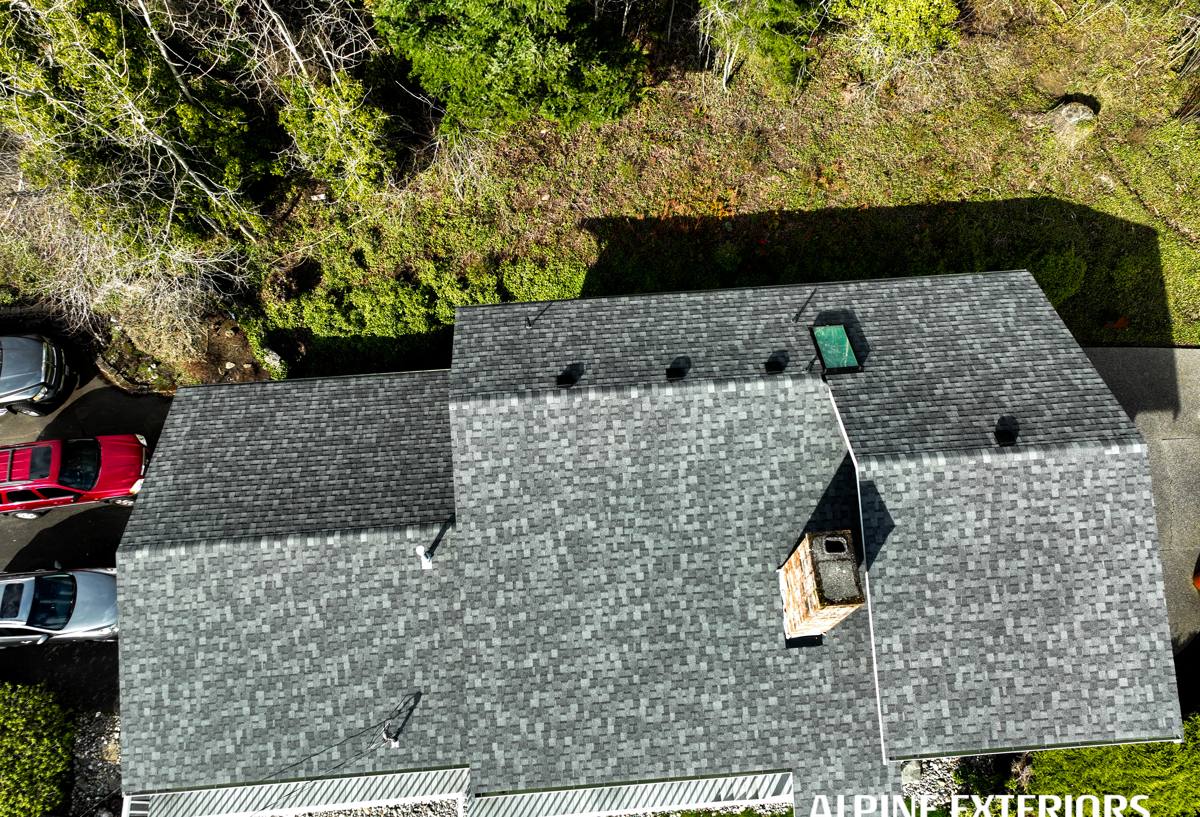
 Roof Replacement for Eastlake Woodlands Homes
Eastlake Woodlands sits inland from the coast but still takes the full brunt of what Pinellas County weather throws at a roof. That means hurricane-force wind gusts during tropical systems, months of intense UV exposure between storms, wind-driven rain that finds every weak seam, and salt-laden air that moves inland further than most homeowners assume. A roof replacement here isn't a one-size-fits-all job — it's a system that has to be matched to how this specific community's homes are built and how the weather actually hits them.
Most of the roofs we see going bad in this neighborhood aren't failing because the shingles wore out evenly. They're failing at the edges, the valleys, the pipe boots, and the ridge — the details that separate a roof that lasts through hurricane season from one that doesn't. That's where a replacement earns its cost, and it's where a lot of corner-cutting jobs quietly fall short.
What Oldsmar's Climate Does to a Roof Over Time
UV and Heat
Florida sun is relentless, and it doesn't take a break in the winter the way it does further north. Asphalt shingles lose their oils and granules faster here than in cooler climates, which is why a shingle rated for 25-30 years elsewhere often shows real wear a decade or more sooner in Pinellas County. UV breaks down sealant strips, dries out underlayment over time, and accelerates any manufacturing defect that a milder climate might never expose.
Wind and Uplift
Eastlake Woodlands isn't directly on the water, but it's still inside the wind zones that Florida Building Code accounts for, and every named storm that tracks through the Tampa Bay area brings gusts capable of lifting improperly fastened shingles or tile. Wind doesn't usually take a roof off all at once — it starts by working a few tabs or ridge caps loose, and then rain gets underneath and the damage compounds from there.
Wind-Driven Rain
A roof only has to shed water straight down most of the year. During a tropical system, rain comes in sideways, and that changes what "waterproof" actually requires. Underlayment laps, valley details, and flashing around penetrations matter more in a wind-driven rain event than in an ordinary afternoon thunderstorm, because water is being pushed uphill and sideways into places gravity alone would never take it.
Salt Air
Oldsmar sits along Old Tampa Bay, and salt air travels well inland on prevailing winds. It accelerates corrosion on exposed fasteners, metal flashing, and any hardware that isn't rated for coastal exposure. A roofing job that uses standard-grade fasteners because "we're not right on the water" is a job that corrodes faster than it should.
Signs an Eastlake Woodlands Roof Needs Replacing, Not Just Patching
- Granules collecting in gutters or at downspout discharge points, especially after a storm
- Shingles that look curled, cupped, or have lost their flat profile in patches
- Soft spots or noticeable give when walking the roof deck
- Daylight visible through the attic at roof boards, or new water stains on ceiling drywall
- Ridge caps or hip shingles that look lifted, cracked, or missing after wind events
- A roof that's already 15-20+ years old and has been through several hurricane seasons
- Repeated small leaks in different spots — a sign the underlayment, not just the surface, is failing
If only one or two of these apply and the roof is otherwise sound, a repair can be the honest answer. We'll tell you that. But once the underlayment and deck are compromised in multiple areas, patching becomes a cycle of chasing leaks instead of solving the problem.
What a Correct Replacement Involves
A roof replacement here should always start with a full tear-off, not an overlay. Layering new shingles over old hides the condition of the deck, traps moisture, and voids most manufacturer warranties outright. Once the old roofing is off, the job comes down to a handful of details that matter more in this climate than almost anywhere else:
Deck Inspection and Repair
Every sheet of decking gets checked for soft spots, delamination, and nail pull-through. Any section that's compromised gets replaced before anything new goes down — installing new roofing over a bad deck just moves the failure point, it doesn't fix it.
Underlayment
Given how much wind-driven rain this area sees during tropical systems, we treat underlayment as a second line of defense, not a formality. Synthetic underlayment with properly lapped and sealed seams, plus self-adhered membrane at valleys and eaves, gives the roof a backup layer if wind ever compromises the primary surface.
Fastening for Wind Uplift
Nailing pattern and fastener count directly determine how a roof performs in wind. Florida Building Code sets minimum requirements for this region, and we install to meet or exceed them — not to the bare minimum a lower-cost bid might use to save labor time.
Flashing and Penetrations
Chimneys, plumbing stacks, skylights, and wall-to-roof transitions are where the vast majority of leaks actually originate — not the open field of shingles. New step flashing, counterflashing, and pipe boots rated for UV exposure go in as standard, not as an upsell.
Ventilation
An attic that can't breathe traps heat and moisture, which shortens shingle life from underneath and can void warranties. We check existing intake and exhaust ventilation as part of every replacement and correct it when it's inadequate.
Material Choices for This Neighborhood
Eastlake Woodlands has a mix of roofline styles and home ages, so there isn't one universal answer — but here's how the common options actually perform in Oldsmar's conditions:
| Material | UV / Heat Performance | Wind Rating Potential | Maintenance Reality |
|---|---|---|---|
| Architectural asphalt shingle | Good with quality granules; expect gradual wear from constant sun | Up to 130 mph when properly installed and rated | Low; periodic inspection after storms |
| 3-tab asphalt shingle | Wears faster than architectural under sustained UV | Lower wind rating than architectural | Low upfront cost, shorter realistic lifespan here |
| Standing seam metal | Excellent; reflects heat and resists UV degradation | High, with proper clip spacing and fastening | Very low; watch fastener and seam condition over decades |
| Concrete or clay tile | Excellent; the tile itself doesn't degrade from UV | High if properly fastened, but underlayment is the real limiting factor | Underlayment beneath tile ages and needs eventual replacement even though tile looks fine |
We'll walk through what your existing roofline, HOA guidelines, and budget actually support before recommending a material — the right choice depends on the home, not on what's easiest to sell.
Our Process for Eastlake Woodlands Replacements
- On-site inspection — we get on the roof, check the deck where accessible, and document actual condition instead of guessing from the ground.
- Honest scope and estimate — you get a clear breakdown of what needs replacing and why, with material options and no pressure to upsize the job.
- Permitting — roof replacements in Pinellas County and the City of Oldsmar require a permit; we handle the paperwork and inspections so it's done to code, not just to appearance.
- Tear-off and deck repair — old roofing comes off completely, and any compromised decking is replaced before moving forward.
- Underlayment and flashing — the waterproofing layer goes in first and gets the same attention as the visible surface.
- Final installation — shingles, tile, or metal go on to manufacturer specs and current wind-uplift fastening requirements.
- Cleanup and final walkthrough — magnetic sweep for stray nails, debris hauled off, and a walkthrough so you know exactly what was done.
Why Local Experience in Eastlake Woodlands Matters
A crew that already works this neighborhood knows things a roofer coming from outside Pinellas County has to learn on your dime. That includes how the local permitting process runs, what HOA architectural guidelines typically expect for roof color and material, and which roofline configurations show up repeatedly in this community. It also means we've seen how roofs here actually age — which valleys collect debris from mature tree canopy, which orientations take the worst UV exposure, and which details tend to fail first when a storm rolls through Old Tampa Bay.
That familiarity translates into fewer surprises during the job and a roof that's built for the conditions it will actually face, not a generic installation dropped into a coastal wind zone.
Cost Factors Worth Understanding
We don't publish blanket prices because roof cost depends on real variables, but here's what actually moves the number for a home in this area:
- Roof size and pitch — steeper roofs take longer to work safely and require more material overlap
- Number of penetrations and valleys — more flashing detail means more labor
- Deck condition — hidden rot or delamination found during tear-off adds material and time
- Material choice — asphalt, metal, and tile carry different material and labor costs
- Layers to remove — a roof with an existing overlay takes longer to strip than a single-layer tear-off
- Wind-rating requirements — meeting current Florida Building Code fastening standards is factored into every proper bid
Any estimate that skips a real inspection and gives you a number over the phone is guessing. We measure, inspect, and price based on your actual roof.
Get a Free Estimate
If you're in Eastlake Woodlands and dealing with an aging roof, storm damage, or just want an honest read on where things stand, we'll come take a look and give you a straight answer — no pressure, no inflated scope. Fill out the form below to schedule a free estimate.