 Oldsmar Siding
 Why Largo Roofs Take a Different Kind of Beating
A roof in Largo doesn't age the same way a roof does in a drier, milder climate. Pinellas County sits close enough to the coast that salt air works its way into fasteners, flashing, and metal edge trim year-round, slowly corroding materials that weren't built to handle it. Layer on the intense, near-constant Florida UV exposure that bakes asphalt shingles and dries out sealants, then add wind-driven rain that finds its way under poorly lapped underlayment, and you have a roof system that's under attack from multiple directions at once. When a hurricane or tropical system pushes through with sustained high winds and gusts well above what most other parts of the country ever see, any weak point in the roof — a soft spot in the decking, an under-nailed shingle, a flashing detail installed on the cheap — is where the failure starts.
None of this means a roof in Largo is doomed to fail early. It means the roof has to be built for this specific climate, not installed the same way a crew might install one somewhere with milder weather. That distinction is the difference between a roof that holds up through storm season after storm season and one that starts leaking or losing shingles within a few years.
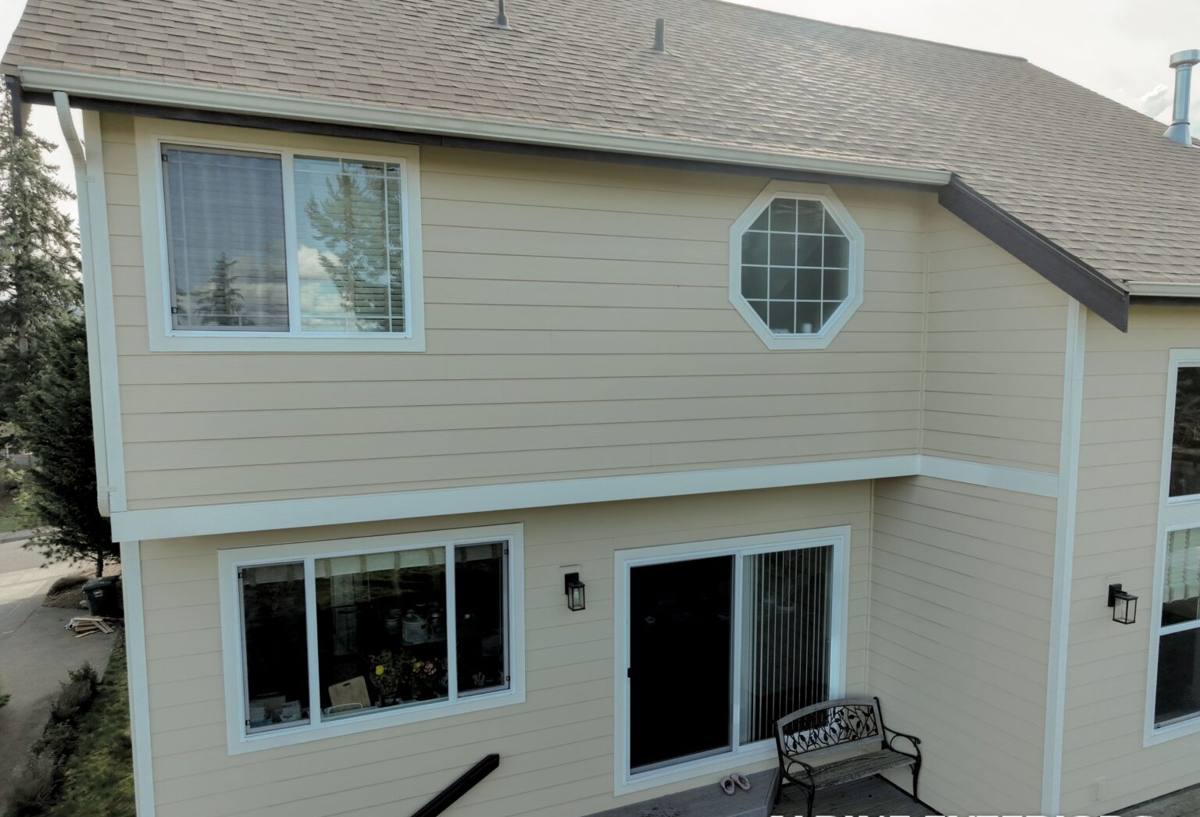
Signs Your Roof Needs Replacing, Not Just Patching
Not every roof problem calls for full replacement. But there's a point where repeated patch jobs stop making financial sense and start masking a bigger issue underneath. A straightforward inspection can usually tell you which situation you're in.
- Shingles that are cupping, curling, or losing their granules in large patches, especially on south- and west-facing slopes that take the most direct sun
- Multiple past repairs in different areas of the roof, rather than one isolated issue
- Visible sagging anywhere in the roofline, which can point to decking damage underneath
- Daylight visible through the attic decking, or staining on attic insulation and rafters
- Granules collecting in gutters and downspouts in significant amounts
- A roof approaching or past its expected material lifespan, particularly after several hurricane seasons of wind and rain exposure
- Rising energy bills tied to poor attic ventilation or failing insulation caused by roof leaks
If you're seeing two or more of these at once, it's usually a sign the roofing system as a whole — not just one section — has reached the end of its useful service life.
Storm Damage Is a Special Case
After any significant wind event, even a roof that looks fine from the ground can have lifted shingles, compromised seals, or damaged flashing that won't show up as a leak until the next heavy rain. It's worth having a roof checked after any storm strong enough to snap branches or move loose outdoor items, rather than waiting for a leak to appear.
Roofing Materials That Hold Up in This Climate
Material choice matters more here than in most parts of the country, because the roof has to handle UV exposure, wind uplift, and moisture all at once. There's no single "best" material for every home — the right choice depends on your roof's pitch, your budget, and how long you plan to stay in the home — but some materials are better suited to Pinellas County conditions than others.
| Material | Wind Performance | Heat & UV Behavior | Typical Lifespan | Maintenance |
|---|---|---|---|---|
| Architectural asphalt shingle | Strong when properly nailed and rated for high-wind zones | Reflective granule options reduce heat absorption | 20–30 years | Periodic inspection, especially after storms |
| Standing seam metal | Excellent uplift resistance with concealed fasteners | Reflects heat well, reduces attic temperature | 40–50+ years | Low; occasional fastener and seam checks |
| Concrete or clay tile | Very good when properly fastened, but individual tiles can crack from impact | Naturally heat-resistant, common in this region | 40–50+ years | Moderate; occasional tile replacement |
| 3-tab asphalt shingle | Lower wind rating than architectural shingles | Less UV and heat resistance over time | 15–20 years | More frequent inspection recommended |
We steer most Largo homeowners away from 3-tab shingles at this point — not because they're a bad product in general, but because their lower wind rating and shorter service life make them a poor match for a coastal, hurricane-exposed roof. The upfront savings tend to get eaten up by earlier replacement or storm repair costs.
What a Correct Roof Replacement Actually Involves
A roof replacement is more than stripping off old shingles and nailing down new ones. Done correctly, it's a system — every layer depends on the one below it, and skipping steps is exactly how homes end up with leaks two years after a "new" roof.
Tear-Off and Decking Inspection
A full tear-off down to the decking lets us actually see the wood underneath — something you can't do by roofing over an existing layer. Any decking that's soft, delaminated, or water-stained gets replaced before anything new goes down. Skipping this step is one of the most common shortcuts in the industry, and it's the one most likely to cause problems down the road.
Underlayment and Flashing
Synthetic underlayment, properly lapped and sealed at every penetration, is your roof's second line of defense if wind ever drives water past the shingles or tiles. Flashing around chimneys, skylights, walls, and roof valleys has to be installed — not just caulked — correctly, since caulk is a maintenance item, not a permanent seal.
Fastening for Wind Uplift
In a hurricane-prone area, nailing pattern and fastener count aren't optional details — they're what keeps the roof attached to the house in high wind. Florida Building Code sets minimum requirements for wind uplift resistance based on your wind zone, and a correctly installed roof meets or exceeds those minimums, not just the bare minimum needed to pass inspection.
Ventilation
Proper attic ventilation keeps heat and moisture from building up under the roof deck, which extends the life of both the roofing material and the decking underneath it. This gets overlooked more often than it should, especially on re-roofs where the existing ventilation setup is simply left as-is instead of evaluated.
How We Handle a Largo Roof Replacement, Start to Finish
- Inspection and estimate. We assess the current roof, attic ventilation, and decking condition, and walk you through material options honestly — including what we'd choose for our own home.
- Material selection. We help you weigh wind rating, appearance, budget, and lifespan against each other, without pushing a product that doesn't fit your situation.
- Permitting. We pull the required permits and make sure the scope of work is documented correctly for inspection and for your insurance records.
- Tear-off and decking repair. Old roofing comes off down to the deck, and any compromised sheathing is replaced before we move forward.
- Underlayment, flashing, and roofing installation. Each layer goes down to code and to manufacturer specification, with fastening patterns appropriate for our wind zone.
- Cleanup and final inspection. The property is cleaned of debris and nails, and the completed work goes through final inspection before we close out the job.
- Warranty walkthrough. We go over what's covered under material and workmanship warranties so there's no confusion later.
Permits, Wind Mitigation & Insurance Considerations
Roof replacements in Pinellas County require a permit, and the work has to meet current Florida Building Code wind uplift and installation standards for our wind zone — this isn't optional, and it protects you if there's ever a dispute with an insurance carrier after storm damage. A properly documented, code-compliant replacement can also improve your standing for a wind mitigation inspection, which many Florida insurers use to calculate premium discounts. Items like a secondary water barrier, reinforced roof-to-wall connections, and a wind-rated roof covering can all factor into that inspection. We won't promise a specific discount amount, since that's set by your insurer, but we'll make sure the work is documented in a way that supports the inspection rather than working against it.
What Drives the Cost
Roof replacement costs vary by home, and it's fair to be skeptical of anyone who gives you a firm number before seeing the roof in person. That said, a few factors consistently move the price up or down:
| Factor | How It Affects Cost |
|---|---|
| Roof size and pitch | Larger, steeper roofs take more material and labor time |
| Material choice | Asphalt shingle is generally the lowest upfront cost; metal and tile cost more but last longer |
| Decking condition | Rotted or water-damaged sheathing adds replacement cost discovered during tear-off |
| Number of existing layers | Removing multiple old roofing layers adds labor and disposal cost |
| Roof complexity | Valleys, dormers, skylights, and multiple penetrations add labor and flashing work |
| Code upgrades | Bringing ventilation or wind uplift protection up to current code can add cost on older homes |
We give written estimates that break these factors out, so you can see what you're actually paying for instead of a single lump-sum number.
Why a Crew That Knows Largo Makes a Difference
Roofing crews that work outside their usual area often don't know the local permitting office's requirements, aren't familiar with the age and construction style of homes common in this part of Pinellas County, and disappear once the job is done — which matters if a warranty issue comes up later. A crew that already works in and around Largo and Oldsmar knows what to expect from local inspections, has a working relationship with suppliers who stock wind-rated materials suited to this climate, and can respond quickly if a storm causes damage that needs urgent attention. That local presence isn't a marketing point — it's practical, especially during hurricane season when response time matters.
Questions to Ask Before You Sign a Roofing Contract
- Is the contractor licensed in Florida, and can they provide proof of current insurance?
- Will they pull the required permit themselves, rather than asking you to do it?
- Does the written estimate specify the exact materials, including wind rating?
- Do they inspect and disclose decking condition before starting, not just after?
- What's covered under the workmanship warranty, separate from the manufacturer's material warranty?
- Do they have local references or completed work you can verify?
A contractor who answers these questions clearly and in writing, without hesitation, is generally one worth trusting with a job this important.
If your roof is showing its age, took a hit from recent weather, or you're just not sure what condition it's really in, we're happy to take a look and give you a straightforward, no-pressure estimate. Use the form below to get started.