 Oldsmar Siding
 Building a Deck That Actually Holds Up in Safety Harbor
Safety Harbor sits right on Old Tampa Bay, which means homes here get a version of Florida weather that's a little more aggressive than what you'd deal with further inland. The waterfront brings salt-laden air that creeps into fasteners and finishes. The open bay exposure means wind gusts hit harder during storms. And the same intense, nearly year-round sun that makes the outdoor living here so appealing is also what breaks down cheap decking materials and finishes faster than most homeowners expect. A deck built without those specific stresses in mind doesn't fail because the idea was bad — it fails because it was built like it's going in a backyard in Ohio.
We build decks for homes in and around Safety Harbor with those conditions treated as the starting point, not an afterthought. That shows up in the hardware we choose, how footings are sized, how boards are fastened and spaced, and how the whole structure is designed to shed water instead of trap it.
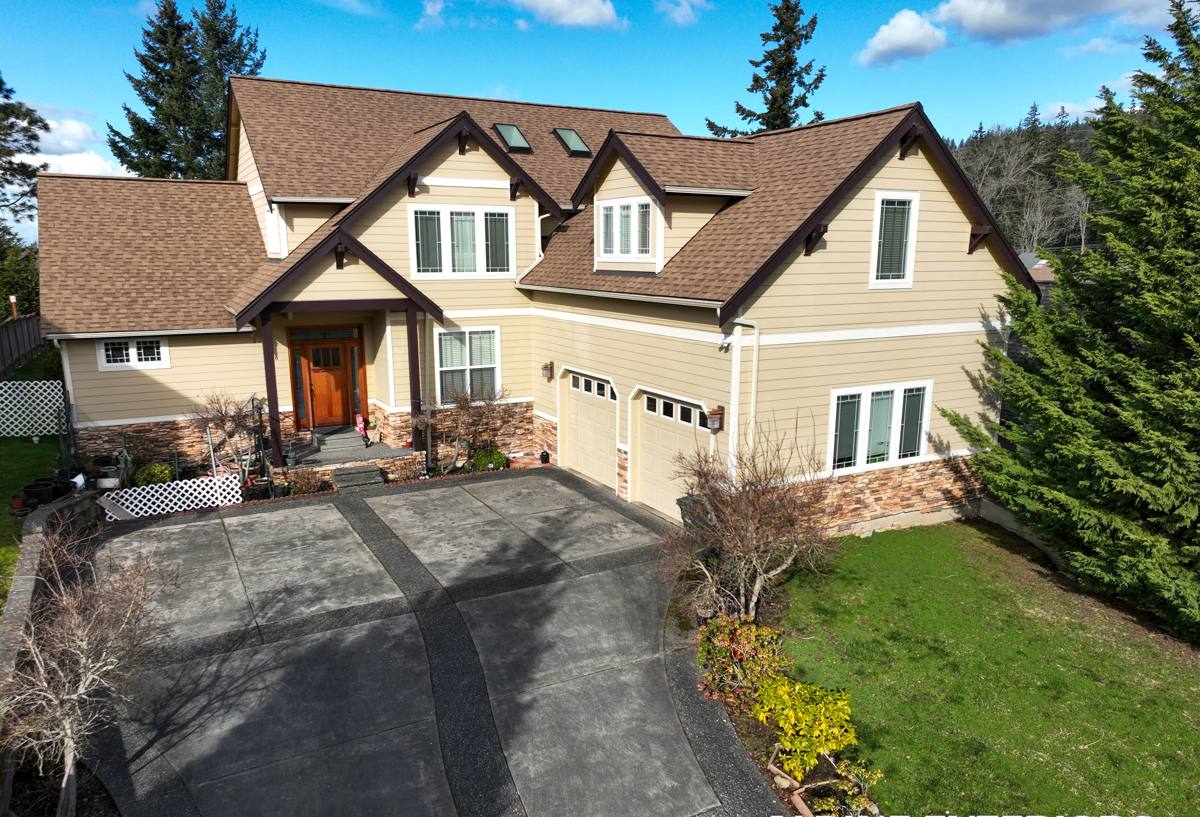
What Safety Harbor's Climate Actually Does to a Deck
It helps to understand the specific ways this climate attacks a deck over time, because it explains almost every decision in how one should be built here.
Salt Air and Corrosion
Proximity to the bay means airborne salt is a constant, low-level presence, even a mile or two inland. Salt accelerates corrosion in fasteners, joist hangers, and any exposed metal. Hardware that would last decades in a dry inland climate can start showing rust and weakening within a few years here if it isn't rated for coastal exposure.
UV and Heat
Florida sun is intense almost every day of the year. On wood decking, UV breaks down surface fibers and dries out natural oils, leading to graying, splintering, and checking. On composite and PVC products, cheaper formulations can fade or chalk under sustained UV exposure. Heat also drives thermal expansion and contraction in every material, which matters for how boards are spaced and fastened.
Wind-Driven Rain and Storms
Pinellas County gets its share of tropical systems and strong summer storms, often with rain driven sideways by wind. That moisture finds its way into any gap in flashing, ledger connections, or fastener holes that isn't properly sealed. Combined with gusts that put real lateral load on a structure, this is why framing and attachment details matter as much as the decking surface itself.
Humidity and Moisture Cycling
Between the bay, the rain, and the general humidity of a Gulf Coast climate, wood framing members go through constant wet-dry cycling. That cycling is what causes warping, cupping, and loosened fasteners over time if the wrong lumber grade or wrong hardware is used.
Choosing a Decking Material for This Environment
There's no single "best" decking material for every homeowner — it depends on budget, maintenance appetite, and how the deck will be used. But in a coastal Pinellas County climate, some trade-offs matter more than they would elsewhere.
| Material | How It Handles Salt Air & UV | Maintenance | Typical Lifespan Here |
|---|---|---|---|
| Pressure-Treated Wood | Needs regular sealing to resist moisture and UV graying; least forgiving of neglect | Annual cleaning and re-sealing recommended | 10–15 years with consistent upkeep |
| Composite Decking | Resists moisture well; quality varies by product on UV fade resistance | Periodic washing, no sealing or staining | 20–25+ years, warranty-backed |
| Capped PVC Decking | Fully sealed cap resists salt air, moisture, and UV fade best of the three | Occasional washing only | 25+ years, strongest warranty coverage |
Wood remains a reasonable choice for homeowners who want a specific natural look and are willing to stay on top of maintenance. For a lower-maintenance deck in a bay-adjacent climate, we generally steer homeowners toward composite or capped PVC — not because wood is a bad product, but because the upkeep schedule that keeps wood looking good here is more demanding than most people plan for once the deck is a few years old.
The Structure Matters More Than the Surface
Decking boards are the part everyone notices, but the framing underneath is what determines whether a deck is safe and long-lasting. This is also where corner-cutting is hardest to spot after the fact, which is exactly why it matters.
Footings and Posts
Footings need to be sized and set to local frost-free, soil-bearing standards, with posts anchored to resist both vertical load and the lateral wind loads that come with Gulf Coast storms.
Ledger Attachment
Where a deck attaches to the house, proper flashing is what keeps wind-driven rain from working its way behind the siding and into the wall structure. A poorly flashed ledger board is one of the most common sources of hidden water damage on Florida decks.
Fasteners and Hardware
Every structural connector — joist hangers, screws, bolts, post bases — should be rated for coastal or exterior exposure, not general-purpose galvanized hardware. The cost difference is small; the difference in how long it resists corrosion in salt air is not.
Joist Spacing and Board Fastening
Spacing and fastening patterns need to account for the material's thermal movement. Composite and PVC boards expand and contract more than people expect in Florida's heat swings, and gaps need to be set accordingly so boards don't buckle or pull loose over time.
Permitting in Pinellas County
Deck construction in Safety Harbor falls under Florida Building Code as enforced through Pinellas County (or the applicable local permitting office), which means a permit and inspection are typically required for a new deck or any significant rebuild. This isn't a formality to skip — it exists because framing, footings, and railing height/spacing all have real safety requirements behind them, and an inspector is a second set of eyes confirming the structure was built correctly before you and your family are standing on it.
We handle the permitting and inspection process as part of the job. Homeowners shouldn't have to become experts in local code just to get a deck built correctly.
Our Process for a Safety Harbor Deck Build
- On-site assessment — We look at your yard, sun and wind exposure, drainage, and how the deck will connect to your home before recommending a design.
- Material and design discussion — We walk through the honest trade-offs between wood, composite, and PVC based on your budget and how much upkeep you actually want to do.
- Permitting — We prepare and submit what's needed for local permit approval and schedule required inspections.
- Framing and structural build — Footings, posts, ledger flashing, and joists go in first, using coastal-rated hardware throughout.
- Decking installation — Boards are laid and fastened with spacing appropriate to the material and this climate's thermal swings.
- Railing, stairs, and finish work — Completed to code for height and baluster spacing, with attention to how these components will hold up to sun and moisture.
- Final walkthrough and inspection — We review the finished deck with you and confirm it passes final inspection.
Keeping a Deck in Good Shape Once It's Built
No deck material in this climate is truly maintenance-free, but the maintenance load varies a lot by what you chose and how it was built. A short seasonal checklist goes a long way:
- Rinse off salt residue and debris every few weeks, especially after storms
- Check fastener heads and hardware for early rust at least once a year
- Re-seal or re-stain wood decking on the schedule the product calls for, not "when it looks bad"
- Keep gutters and downspouts clear so runoff isn't dumping directly onto or under the deck
- Check railing and stair connections for looseness after major storms
- Trim back vegetation that traps moisture against framing or footings
Why It Matters to Hire a Crew That Already Works This Area
A deck built to a generic national standard isn't automatically wrong for Safety Harbor, but it's often missing the specific adjustments this climate calls for — the coastal-rated hardware, the flashing details that account for wind-driven rain, the fastening patterns that account for real Florida heat swings, and familiarity with what the local permitting office actually expects to see. A crew that regularly works in Pinellas County's bay-adjacent neighborhoods has already worked through those details on other homes nearby, which means fewer surprises and a structure that's built for the conditions it will actually face, not just the conditions a generic spec sheet assumes.
If you're planning a new deck or need an honest opinion on an existing one, we're happy to take a look and put together a free, no-pressure estimate — just fill out the form below to get started.