 Oldsmar Siding
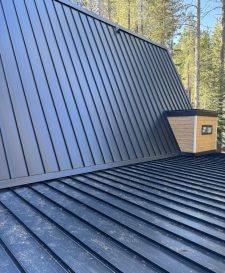
 Metal Roofing for Safety Harbor: Built for the Bay, Not Just the Sun
Safety Harbor sits right on Old Tampa Bay, which means homes here take on a harsher mix of conditions than roofs just a few miles inland. You've got the salt-laden air coming off the water, near-constant humidity, intense UV exposure most of the year, and the very real chance of hurricane-force gusts and wind-driven rain during storm season. A roof that just "meets code" on paper isn't always the roof that holds up well against that combination year after year. Metal roofing, installed correctly, is one of the strongest answers to that combination — but the word "correctly" is doing a lot of work in that sentence, and it's where a lot of installations fall short.
This page is about metal roofing specifically for Safety Harbor properties — what the local climate actually does to a roof over time, what a proper installation looks like, and why it matters that the crew on your roof already understands this stretch of Pinellas County rather than treating it like any other job.
What Safety Harbor's Climate Actually Does to a Roof
It helps to be specific about the stresses instead of just saying "Florida weather is tough." Four things are doing most of the damage over the life of a roof here:
Salt Air and Coastal Humidity
Being close to the bay means airborne salt and moisture settle on every exterior surface, including your roof. On metal roofing, this accelerates corrosion at fasteners, cut edges, and any spot where the protective coating has been scratched or compromised during installation. It's not that metal roofing can't handle a coastal environment — it's one of the better materials for it — but the coating system and fastener hardware have to be chosen with that exposure in mind, not just picked because they're the cheapest option in stock.
Year-Round UV Exposure
Florida sun is intense for most of the year, not just in summer. UV breaks down sealants, degrades paint finishes, and can dry out or fade the wrong materials well before their rated lifespan is up. Metal roofing generally handles UV better than asphalt shingles, but the paint finish and sealants used at penetrations still matter a great deal.
Hurricane-Force Wind
Wind is the biggest structural threat to any roof in this area. Metal roofing can perform very well in high wind when it's fastened correctly, but wind resistance is entirely dependent on installation details — panel gauge, fastening pattern, and edge/flashing detailing all have to be right. A metal roof that's under-fastened or missing proper edge treatment is a liability, not an upgrade, in a bad storm.
Wind-Driven Rain
Rain that's being pushed sideways by wind finds every weak point in a roof system — laps, fasteners, flashing, penetrations. This is why the underlayment and flashing details matter as much as the visible metal panels themselves. A roof can look great from the ground and still leak because of a shortcut underneath.
Choosing the Right Metal Roofing System for a Bay-Front Property
"Metal roofing" isn't one product — it's a category, and the right choice depends on your home, your budget, and how close you are to the water. Here's how the common options compare for a Safety Harbor property:
| System Type | Best For | Coastal Durability | Trade-Offs |
|---|---|---|---|
| Standing Seam | Homes wanting the strongest wind and water performance | Excellent — concealed fasteners reduce corrosion points | Higher upfront cost; installation quality is critical |
| Metal Shingles / Tiles | Homeowners wanting a traditional look with metal's durability | Good, with proper coating and fastener spec | More seams and details than standing seam; needs careful flashing work |
| Exposed-Fastener Panel | Budget-conscious projects, secondary structures | Fair — exposed fasteners are the first thing to corrode near the bay | Fasteners need periodic inspection and replacement over time |
We don't push one system on every home. A property directly along the water may be better served by standing seam because it minimizes exposed metal-to-metal fastener points, while a home a few blocks inland with a tighter budget might do just fine with a well-installed exposed-fastener system, provided the fastener hardware and maintenance schedule account for the salt air.
What a Correct Metal Roof Installation Actually Involves
Most of the difference between a metal roof that lasts decades and one that causes problems within a few years comes down to details you can't see once the job is finished. A proper installation includes:
- A high-quality underlayment rated for the panel type and local wind-driven rain exposure, not a generic felt underlayment
- Correct fastener type, coating, and spacing for the specific panel system and wind zone
- Properly formed and sealed flashing at every penetration — vents, chimneys, skylights, and wall transitions
- Edge and eave detailing that's built to resist wind uplift, not just nailed down at standard spacing
- Adequate attic and roof deck ventilation, since trapped heat and moisture under metal panels can cause problems of their own
- Deck inspection and repair before panels go on — metal roofing installed over a compromised deck is a short-term fix, not a real one
None of this is exotic. It's standard trade knowledge. But it's also exactly what gets skipped when a crew is moving fast, unfamiliar with coastal installation standards, or pricing a job to win it rather than to do it right.
Our Process, Start to Finish
When we take on a metal roofing project in Safety Harbor, the process generally looks like this:
- Inspection and assessment. We look at the existing roof, deck condition, ventilation, and any signs of prior water intrusion before recommending anything.
- System selection. Based on the home's exposure, roof shape, and your budget, we walk through which metal system makes sense and why — including honest trade-offs, not just the upsell.
- Written scope and pricing. You get a clear breakdown of materials, fastener spec, underlayment, and flashing details before work starts — no vague line items.
- Deck prep and repair. Any damaged or compromised decking is addressed before panels go down.
- Underlayment and flashing installation. This is the part of the job that determines whether the roof actually stays watertight in wind-driven rain.
- Panel installation. Fastened to the spec appropriate for your wind zone and panel type, with attention to seams, laps, and edges.
- Final walkthrough and cleanup. We review the finished roof with you and make sure the site is left clean.
Wind Zones, Permits, and Local Code
Pinellas County roofing work is governed by Florida Building Code wind provisions, and homes closer to the coast — like much of Safety Harbor — typically fall under higher wind-load requirements than inland areas. That affects fastening patterns, underlayment class, and sometimes the specific products that can be used. A permit is generally required for a full metal roof installation or replacement, and inspections are part of the process. We handle the permitting and code compliance side of the job rather than leaving it for you to sort out, and we won't cut corners on wind-rated details just to shave time off a bid — that's exactly the kind of shortcut that shows up as a failure during the next major storm.
Maintaining a Metal Roof Near the Bay
Metal roofing is low-maintenance compared to most other roofing materials, but "low-maintenance" doesn't mean "no maintenance," especially this close to saltwater. A simple annual routine goes a long way:
- Visual check of fasteners, seams, and flashing for signs of corrosion or loosening, particularly after hurricane season
- Clearing debris from valleys, gutters, and roof-to-wall transitions where salt residue and organic material can collect
- Checking sealant at penetrations (vents, pipes, skylights) since sealants age faster under constant UV than the metal itself
- Rinsing off accumulated salt film periodically, especially on homes with more direct bay exposure
- Having a professional inspection after any major storm, even if there's no visible damage from the ground
Most of this is quick and inexpensive when caught early. The costly problems almost always start as small, ignored issues — a loosened fastener, a cracked sealant bead — that had months or years to work on the roof before anyone noticed.
Why It Matters That We Already Work in Safety Harbor
A metal roofing crew that already works this part of Pinellas County isn't guessing at wind zone requirements, fastener specs for salt air exposure, or how local permitting works — that knowledge comes from doing the work here repeatedly, not from a general contractor's manual. We're an Oldsmar-based crew, and Safety Harbor is part of our regular service area, not a special trip. That local familiarity shows up in practical ways: knowing which details matter most for bay-front exposure versus a few miles inland, being available for follow-up if a question comes up after a storm, and pricing the job based on what it actually takes to do it right in this environment, not a generic regional estimate.
Get a Straight Answer for Your Roof
If you're weighing metal roofing for a Safety Harbor home — whether it's a full replacement, a re-roof after storm damage, or you're just trying to understand your options before your current roof needs attention — we're happy to take a look and give you an honest assessment. There's no pressure and no obligation. Use the form below to request a free estimate, and we'll walk the roof, explain what we find, and lay out real options in plain terms.