 Oldsmar Siding
 Why Safety Harbor Roofs Take More Punishment Than the National Average
A roof in Safety Harbor doesn't have an easy job. Sitting on the water in Pinellas County, homes here deal with a combination of stresses that inland roofs never see in the same combination: hurricane-force wind events, some of the most intense year-round UV exposure in the continental United States, wind-driven rain that gets pushed sideways into laps and flashing that would stay dry elsewhere, and a steady dose of salt air off the bay that accelerates corrosion on anything metal. None of these factors alone is unusual for Florida. Together, on a bay-adjacent property, they shorten the useful life of a poorly installed roof and expose every weak point in materials, fastening, and flashing detail faster than almost anywhere else in the state.
That's the honest starting point for any conversation about a new roof installation here: this isn't a job where "close enough" installation practices hold up. A roof that's 90% correct in Safety Harbor tends to fail at that missing 10% — usually at a valley, a penetration, or an edge — well before its rated lifespan is up.
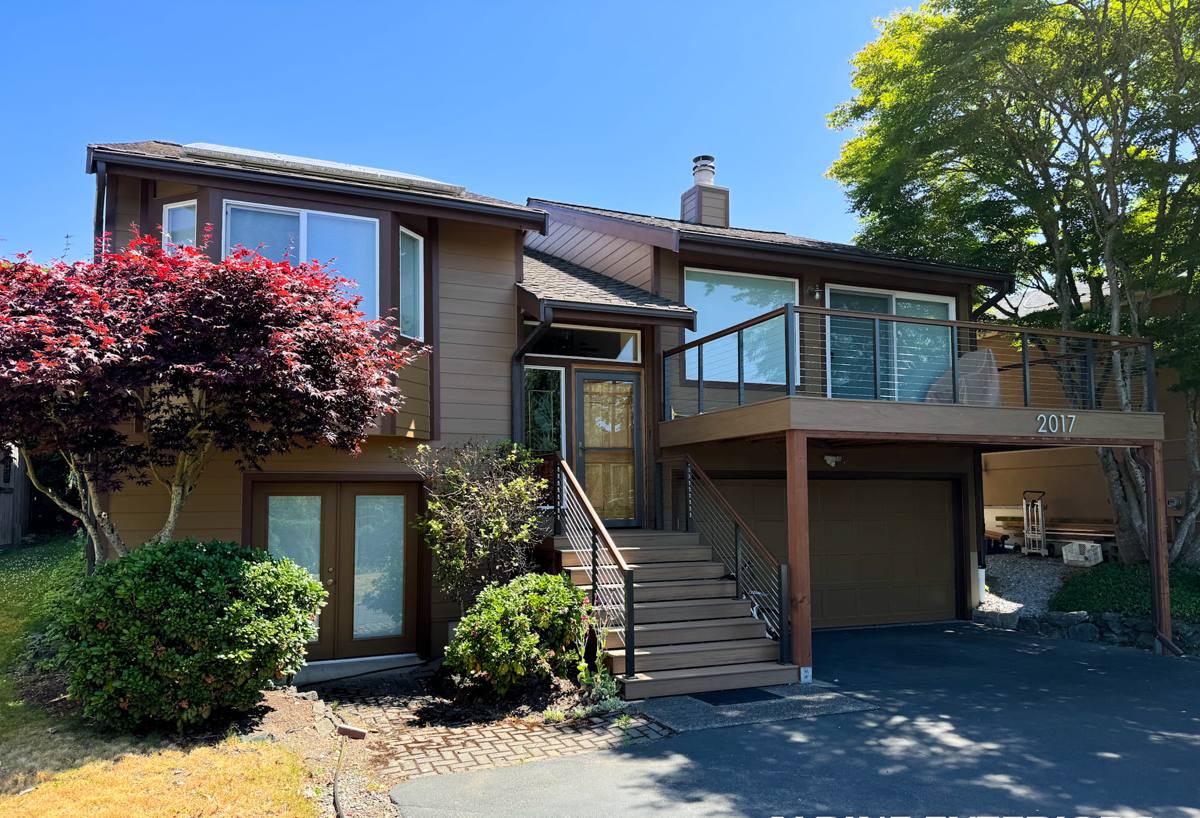
What a Correct New Roof Installation Actually Involves
Starting With the Deck, Not the Shingles
Every new roof is only as good as the wood underneath it. Before any new material goes down, the existing roof deck needs to be stripped to bare sheathing and inspected board by board. Soft spots, delaminated plywood, and fastener pull-through are common on older Safety Harbor homes that have taken repeated moisture cycling, and they get replaced — not covered over. Skipping this step is one of the most common ways a "new roof" fails early, because no underlayment or shingle system can compensate for a deck that's already compromised.
Underlayment and the Secondary Water Barrier
Given how much wind-driven rain this area sees during tropical systems and summer storms, the underlayment layer matters as much as the visible roofing material. A synthetic underlayment paired with self-adhering membrane at eaves, valleys, and penetrations gives the roof a real second line of defense if wind ever lifts or drives water past the primary surface. This is the layer nobody sees once the job is done, which is exactly why it's worth asking a contractor to explain what they're using and where.
Fastening Patterns Built for Wind, Not Just for Code Minimums
Florida Building Code sets wind-uplift requirements based on the local wind zone, and Pinellas County's coastal exposure puts Safety Harbor into a higher-demand category than many inland Florida communities. Correct installation means following the fastener count, pattern, and placement specified for that wind rating — not the fastest pattern that will pass a quick glance. Under-nailing is invisible until the first real storm.
Flashing Details Where Roofs Actually Fail
Ask any roofer where leaks start and almost none of them will say "the shingles." They start at flashing: chimneys, skylights, sidewalls, valleys, and pipe boots. New roof installation is the one time all of this can be replaced properly instead of reused or caulked over. Reusing old flashing to save time is a shortcut that shows up as a callback within a year or two.
Choosing the Right Roofing System for a Bay-Adjacent Home
There isn't one "correct" roofing material for every Safety Harbor home — the right choice depends on your roof's slope, your budget, how long you plan to stay in the home, and how much ongoing maintenance you want to take on. Here's how the common options actually compare under this area's conditions.
| Roofing System | Wind Performance | UV/Heat Resistance | Salt Air Exposure | Typical Lifespan |
|---|---|---|---|---|
| Architectural asphalt shingle | Strong when rated and installed to spec | Good with reflective granules; some fading over time | Handles well; metal fasteners should be corrosion-resistant | 20–30 years |
| Standing seam metal | Excellent uplift resistance | Very good; reflects heat well | Needs coated/marine-grade fasteners near the bay | 40–50+ years |
| Concrete or clay tile | Very good when fastened correctly | Excellent; doesn't degrade from UV | Handles well; underlayment is the weak point, not the tile | 40–50+ years |
| 3-tab asphalt shingle | Weaker uplift rating than architectural | Fair; shorter service life in intense sun | Acceptable, but shorter overall lifespan reduces long-term value | 15–20 years |
For most Safety Harbor homeowners, architectural shingle is the practical middle ground — good wind performance, reasonable cost, and a wide range of colors. Metal and tile cost more upfront but ask less of you over the decades that follow, which matters on a property exposed to this much sun and salt air.
Permits, Wind Ratings, and Florida Building Code
New roof installation in Pinellas County requires a permit, and the finished roof has to meet Florida Building Code wind-uplift requirements for the local wind zone — that's not optional and it's not just paperwork. It determines the underlayment class, the fastening schedule, and in some cases the shingle rating itself. A permitted, inspected roof also matters when you go to sell the home or file an insurance claim; an unpermitted roof can complicate both. Part of what a correct new roof installation means here is pulling the permit, scheduling the required inspections, and closing it out properly — not treating that as an afterthought.
How Our Installation Process Works
- On-site inspection and estimate. We walk the roof, check the deck condition where visible, note flashing points, ventilation, and slope, and give you a written estimate with no pressure to sign on the spot.
- Material selection. We go over system options, colors, and the real trade-offs between them for your specific roof — not just the cheapest option and the most expensive one.
- Permitting. We pull the required permit and schedule inspections before work begins.
- Tear-off and deck inspection. Old roofing comes off down to the deck, and any damaged sheathing is identified and replaced.
- Underlayment and flashing installation. The water-management layer goes down first and gets inspected before the visible roofing material is installed.
- Roofing material installation. Installed to the fastening and wind-rating specification required for this area, not a generic minimum.
- Final inspection and cleanup. The job is inspected, the site is cleaned of debris and nails, and you get a walkthrough before we consider the job finished.
Attic Ventilation: The Part of the Roof System Homeowners Forget
A new roof isn't just the surface layer — it's a system, and ventilation is part of that system. In Florida's heat, an attic that can't properly exhaust hot, moist air will shorten the life of the roofing material from underneath, raise cooling costs, and in some cases contribute to moisture problems in the attic itself. When we install a new roof, we check whether the existing intake and exhaust ventilation is adequate for the roof area and correct it if it isn't. This is a detail that's easy to skip and expensive to ignore.
Signs a Safety Harbor Roof Needs Replacing Now, Not Later
Not every roof problem means a full replacement, but these are the signs that usually do — especially on a roof that's already taken a few storm seasons:
- Shingles that are cupping, curling, or losing granules in large patches, not just isolated spots
- Soft or spongy areas on the roof deck when walked
- Daylight visible through the roof boards from inside the attic
- Repeated leaks in different locations after previous repairs
- Roof age approaching or past the manufacturer's rated lifespan, especially after multiple named storms
- Visible sagging along the roofline or at valleys
- Missing or lifted flashing around chimneys, skylights, or vent stacks
If you're seeing more than one of these, a repair estimate and a replacement estimate side by side is usually worth getting before deciding which way to go.
What Affects the Cost of a New Roof in This Area
| Cost Factor | Why It Matters Here |
|---|---|
| Roof size and complexity | More valleys, hips, and penetrations mean more flashing labor and material waste |
| Material choice | Shingle, metal, and tile carry different material and labor costs, with different long-term payoff |
| Deck condition | Rotted or delaminated sheathing found during tear-off adds material and labor to replace it properly |
| Wind-rating requirements | Meeting Pinellas County's wind zone requirements can affect underlayment class and fastening schedule |
| Permit and inspection scope | Required by code, and part of doing the job right rather than a corner to cut |
We don't quote a roof over the phone. Every estimate is based on an actual look at your roof, because guessing at deck condition or complexity from a photo does homeowners a disservice.
Why a Crew That Already Works Safety Harbor Matters
Roofing crews that work this specific stretch of Pinellas County day in and day out understand things that don't show up in a generic install checklist: which fastening and flashing details actually hold up against wind coming off open water, how quickly Florida sun degrades certain materials versus others, and what local permitting offices expect for inspection sign-off. That familiarity shows up in fewer callbacks and fewer surprises mid-project — not because the materials are different, but because the installation judgment behind them is grounded in what this coastal environment actually does to a roof over time, not just what a spec sheet says it should do.
If your roof in Safety Harbor is aging, storm-damaged, or you're just planning ahead, we're glad to take a look and walk you through your real options — no pressure, no hard sell. Reach out for a free estimate using the form below.