 Oldsmar Siding
 Siding Installation for Largo Homes: Why the Details Matter
Largo sits in the same stretch of Pinellas County we work in every week, and homes here take a beating that inland Florida properties simply don't see. Between Tampa Bay to the east and the Gulf to the west, this part of the county gets a steady diet of salt-laden air, wind-driven rain that finds every gap in a wall system, and UV exposure intense enough to break down poorly formulated siding materials years before their rated lifespan. When a hurricane or tropical system tracks through, wind-borne debris and sustained gusts test every fastener and seam. Siding installation here isn't a cosmetic project — it's a weatherproofing system, and it only works if it's installed correctly the first time.
This page focuses specifically on what siding installation looks like for a Largo-area home: what the local climate demands, what a correct installation actually involves, and why we install exclusively James Hardie fiber cement rather than the vinyl or engineered wood products you'll see offered elsewhere.
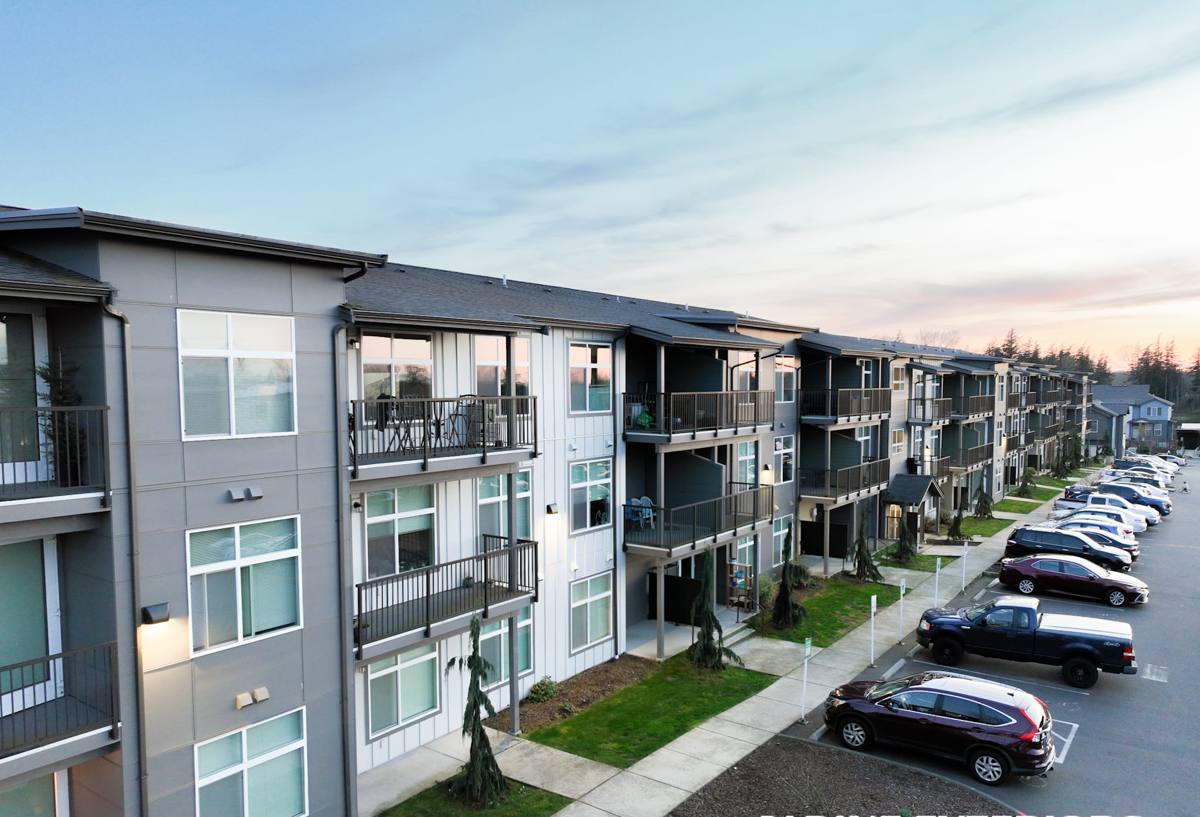
What Largo's Climate Does to Siding Over Time
Salt Air and Humidity
Homes within a few miles of the water — which describes most of Largo — deal with airborne salt that accelerates corrosion on fasteners, trim, and any metal components in a wall assembly. Combined with Pinellas County's year-round humidity, this creates conditions where moisture that gets behind siding doesn't dry out quickly. It sits, and it works on whatever it's touching: sheathing, framing, and the siding material itself.
UV Exposure
Florida sun is intense and constant. Siding materials with lower-grade paint systems or resin-based coatings tend to fade, chalk, or become brittle well before a manufacturer's stated lifespan when they're exposed to this much direct sunlight year-round. Color retention and coating durability aren't cosmetic afterthoughts here — they're a real factor in how long a siding job actually looks good.
Wind and Wind-Driven Rain
Pinellas County sees tropical storms and hurricane-force wind events on a recurring basis. Wind doesn't just test how well siding is fastened — it drives rain sideways and upward, forcing water into laps, seams, and penetrations that would stay dry in a normal rainstorm. A siding system that isn't detailed for wind-driven rain will eventually let water behind the cladding, no matter how good the material itself is.
What Correct Siding Installation Actually Involves
The material is only part of the equation. A huge share of siding failures we get called out to inspect trace back to installation shortcuts, not product defects. A correct job includes:
- A properly lapped and sealed weather-resistive barrier behind the siding, with all penetrations flashed
- Correct fastener type, length, and spacing driven to the manufacturer's specified depth — not overdriven, not underdriven
- Proper clearance between the siding's bottom edge and the roofline, deck surfaces, and grade, so water has somewhere to go
- Butt joints and seams sealed or flashed according to spec, not just caulked and hoped for
- Corner and trim details that shed water outward rather than channeling it behind the wall plane
- Ventilation and drainage plane continuity so any moisture that does get behind the cladding can escape
Skip any one of these and you don't just get a cosmetic issue down the road — you get moisture intrusion, rot in the underlying structure, and a siding system that fails well before it should, regardless of what brand of material is on the wall.
Why We Install Only James Hardie Fiber Cement
We don't install vinyl siding, LP SmartSide, Cemplank, Allura, or primed wood products, and for Largo homes specifically, that's not a brand preference — it's a decision driven by what this climate does to those materials over time.
Vinyl softens, warps, and can crack under sustained UV and heat, and it offers little resistance to wind-borne debris in a storm. Engineered wood products rely on their factory coating and precise installation to keep moisture out; once that coating is compromised by humidity or a nick during installation, the substrate underneath is vulnerable to swelling and rot in exactly the kind of damp, salty air Largo gets. These aren't reasons to call other products bad — plenty of homes around the country wear them fine. They're reasons we don't think they're the right match for a barrier-island-adjacent, hurricane-exposed Gulf Coast property.
James Hardie fiber cement is non-combustible, dimensionally stable in humidity swings, and doesn't rely on a surface coating alone to keep water out — the material itself resists moisture-driven decay the way wood-based products can't. Hardie's ColorPlus factory finish is baked on and warranted separately from the substrate, which matters directly for UV performance in a market like this one. And Hardie's HZ5 product line is engineered specifically for climates with the kind of moisture and humidity exposure Pinellas County deals with year-round.
Matching the Product to the Home
Not every Largo home needs the same Hardie product. Lap siding, panel siding, and shingle-style siding all perform differently depending on a home's architecture, exposure, and existing wall assembly. Part of a correct installation is choosing the right profile and exposure width for the house in front of us, not defaulting to whatever's easiest to install.
| Home Situation | What It Means for Installation |
|---|---|
| Direct water/canal-adjacent exposure | Tighter attention to flashing, fastener corrosion resistance, and HZ5-rated product selection |
| Older block or wood-frame construction | Sheathing and framing condition checked before re-siding — rot repair often needed first |
| Two-story or high-wind exposure areas | Fastener schedule and wind-load detailing tightened beyond baseline code minimums |
| South- or west-facing walls | Highest UV load — color and finish durability matter most here |
| Homes with existing moisture issues | Root cause addressed before new siding goes on, not covered over |
Our Installation Process
1. On-Site Assessment
We walk the exterior, check the condition of the existing siding and, where accessible, the sheathing underneath. Any active moisture intrusion or rot gets identified before we talk about new material — installing new siding over a compromised wall assembly just hides the problem.
2. Tear-Off and Substrate Inspection
Old siding comes off in sections so we can actually see what's underneath rather than guessing. Damaged sheathing or framing gets repaired before anything new goes up.
3. Weather Barrier and Flashing
A continuous weather-resistive barrier goes on with all seams lapped correctly and every window, door, and penetration flashed to shed water outward and down.
4. Hardie Installation to Manufacturer Spec
Panels or lap boards go up with the fastener type, spacing, and clearances James Hardie specifies for this climate zone — not a generic install pattern used everywhere regardless of exposure.
5. Trim, Caulking, and Finish Details
Corners, trim, and joints get detailed to shed water rather than trap it, using sealants rated for sustained UV and humidity exposure.
6. Final Walkthrough
We walk the finished job with the homeowner, checking reveals, alignment, and finish quality before calling it done.
Signs a Largo Home May Need New Siding Soon
- Visible warping, buckling, or gaps between siding panels or boards
- Soft or spongy spots when pressing on the wall near the base or around windows
- Peeling, bubbling, or chalking paint that keeps returning after repainting
- Increased energy bills with no other clear cause, suggesting compromised insulation or air sealing behind the siding
- Visible mold, mildew, or dark staining that returns shortly after cleaning
- Siding that flexes or feels loose when pushed by hand
What Drives Cost on a Largo Siding Job
We don't quote prices without seeing the house, but the main variables that move a siding installation estimate are consistent from job to job:
| Factor | Why It Matters |
|---|---|
| Home size and wall complexity | More corners, gables, and cutouts mean more labor and material waste |
| Substrate condition | Rot repair or sheathing replacement adds cost before new siding even starts |
| Product line and profile | Panel, lap width, and texture selection affect material cost per square foot |
| Story count and access | Two-story homes and difficult access points increase labor time |
| Trim and finish detailing | Custom trim work around windows, corners, and rooflines adds labor |
Why a Crew That Already Works This Area Matters
A contractor who regularly works Largo and the surrounding Oldsmar area already understands how this specific stretch of coastline behaves — the humidity load, the salt exposure, the way storms tend to hit this part of the Gulf Coast. That's not something you pick up from a manual; it's something you learn from doing the work here repeatedly. It shows up in small decisions: which fastener finish holds up best against this air, how tight to detail flashing on a west-facing wall that takes the brunt of the afternoon sun, where moisture tends to collect on the home styles common in this part of Pinellas County. A crew unfamiliar with the area is more likely to install to a generic standard instead of one tuned to what actually survives here.
After Installation: Keeping Hardie Siding Performing
James Hardie fiber cement is low-maintenance, but "low-maintenance" doesn't mean "no maintenance," especially in a Gulf Coast climate. A periodic rinse to clear salt residue, prompt attention to any caulking that cracks or separates, and keeping sprinklers and irrigation from constantly hitting the base of the wall all go a long way toward getting the full service life out of the material and its factory finish. We're happy to walk any homeowner through a simple maintenance routine suited to their specific home and exposure.
If your Largo-area home needs new siding, or you're not sure whether what's on the walls now is doing its job, we're glad to take a look. Reach out for a free, no-pressure estimate — we'll walk the exterior with you and give you a straight answer about what your home actually needs.