 Oldsmar Siding
 Siding Repair for Westchase-Area Homes
Westchase sits close enough to Oldsmar and the rest of Pinellas County that homes here face the exact same exterior stress as everywhere along this stretch of the Gulf coast: long stretches of intense sun, sudden wind-driven rain, and the occasional direct hit from a tropical system. When siding fails in this neighborhood, it's rarely from one dramatic event. It's usually the slow accumulation of small problems — a cracked panel that let water behind the wall two summers ago, a loose section that's been flexing in every storm since — finally showing up as a visible, obvious repair need.
This page is about one thing only: fixing damaged or failing siding correctly on homes in and around Westchase. Not a full re-side, not a general contractor pitch — a straight look at what local repair work actually requires, what a rushed patch job leaves behind, and why we handle it the way we do.
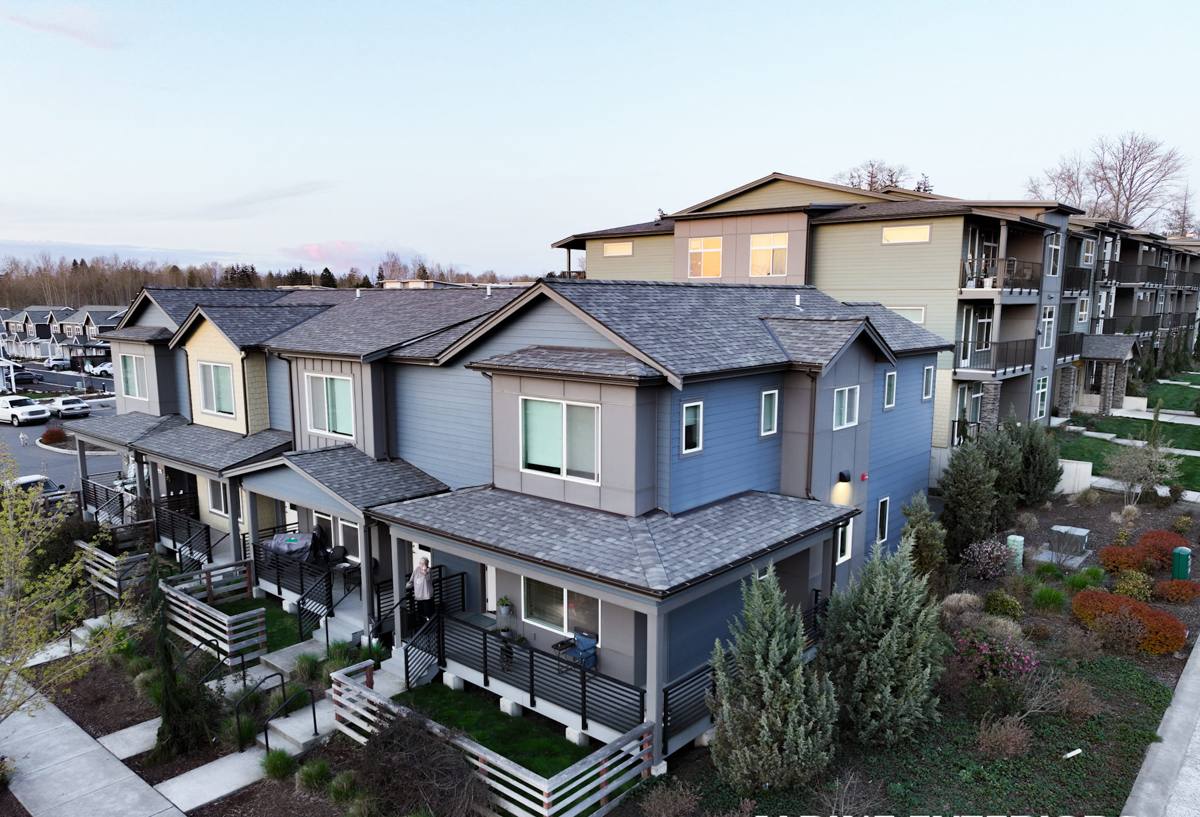
What the Regional Climate Does to Siding Between Repairs
Every siding repair call we get in this area traces back to the same handful of environmental stressors. Understanding them matters, because a repair that doesn't account for the cause just fails again.
Hurricane-Force Winds
Even homes that never take a direct hit see repeated high-wind events that work siding fasteners loose, flex panels at the corners and edges, and drive rain up and under laps that were fine in calmer weather. Once a panel is compromised, it's the next windstorm — not the current one — that usually finishes the job.
Intense, Nearly Year-Round UV
Florida sun is harder on exterior materials than most homeowners moving from other states expect. UV breaks down caulking, dries out paint films, and accelerates the aging of any material not engineered for this exposure. A repair patch that isn't color- and material-matched will visibly weather at a different rate than the surrounding siding within a year or two.
Wind-Driven Rain
Rain that falls straight down is rarely the problem. Rain pushed sideways by wind finds every gap, seam, and fastener hole a normal rainstorm would never reach. This is why so many siding repairs in this area turn out to be water damage repairs first and cosmetic repairs second.
Salt Air
Even set back from the immediate coastline, Pinellas County homes get enough salt-laden air to accelerate corrosion of exposed fasteners, trim screws, and any metal flashing tied into the siding system. Corroded fasteners are one of the most common root causes we find behind "mystery" loose panels.
Signs a Westchase Home Needs Siding Repair Now
Most siding damage doesn't announce itself. It shows up as small, easy-to-dismiss details first. If you're noticing any of the following, it's worth having it looked at before the next big storm rather than after:
- Panels that look slightly bowed, warped, or no longer sit flush against the wall
- Visible cracks or splits, especially near corners, window trim, or lower courses
- Soft or spongy spots when you press on the siding or the wall behind it
- Paint that's peeling, bubbling, or discoloring in one specific area rather than uniformly
- Gaps opening up at seams, laps, or where siding meets trim, windows, or doors
- Visible fastener heads, rust streaks, or popped nails/screws along a panel
- A musty smell or visible staining on interior walls that back up to exterior siding
- Any siding that moves, rattles, or flexes visibly in wind
Any one of these on its own might be minor. Several together, or any sign paired with interior moisture symptoms, means water is likely already past the surface layer.
What a Correct Repair Actually Involves
A siding repair is not just "replace the bad piece and caulk the edges." Done correctly, it's a small diagnostic process every time:
1. Find the Actual Cause
Damaged siding is a symptom. Before replacing anything, we look at why that specific section failed — a flashing issue, a fastener pattern that wasn't right for wind exposure, standing water from grading or gutters, or simple age and UV breakdown. Replacing the panel without addressing the cause just buys a repeat repair.
2. Check What's Behind the Siding
Once panels come off, we look at the water-resistive barrier, sheathing, and framing underneath. If water has been getting in, the siding is often the least of the damage — and it's far cheaper to catch rot or moisture intrusion at the repair stage than to discover it during a later full re-side.
3. Match Material, Profile, and Color
A repair that's structurally sound but visually obvious is still a bad repair on a home you plan to keep looking good. Matching existing James Hardie plank width, exposure, texture, and ColorPlus finish (or repainting to match, when the original finish has faded) is part of the job, not an afterthought.
4. Reinstall to Current Wind and Water Standards
Fastener spacing, flashing details, and lap sequencing all matter more in a hurricane-exposed county than almost anywhere else in the country. We install repairs the way we'd install new siding — to the manufacturer's high-wind installation instructions, not just "close enough to match."
Patch Job vs. Correct Repair
| Approach | What It Actually Does | Typical Result |
|---|---|---|
| Caulk-and-paint patch | Hides visible damage, seals surface gaps | Looks fixed for a season; hidden moisture keeps working underneath |
| Panel swap only, no inspection | Replaces what's visibly cracked or missing | Doesn't catch rotted sheathing or bad flashing; damage often returns nearby |
| Mismatched material patch | Uses whatever's on hand — vinyl trim, different plank width, unmatched color | Visually obvious; ages differently than surrounding Hardie siding |
| Correct diagnostic repair | Finds root cause, checks substrate, matches material/finish, reinstalls to spec | Resolves the actual problem and blends into the existing wall |
Why We Repair With James Hardie, Not Whatever's Convenient
We install and repair exclusively with James Hardie fiber cement siding. On a repair job, that standard matters even more than on new construction, because a mismatched material creates a visible seam of a different product aging at a different rate right next to your existing siding.
We don't carry LP SmartSide, vinyl, Cemplank, Allura, or wood siding as repair options — not because those products have no merit, but because introducing a different material or brand into an existing Hardie wall creates long-term problems: different expansion behavior, different paint systems, different maintenance schedules, and a warranty picture that gets murky fast when two manufacturers' products are touching. Sticking to Hardie for repairs keeps the wall performing as one consistent system, the way it was designed to.
Hardie's HZ5 product line, engineered for high-wind, high-moisture climates like ours, and its factory-applied ColorPlus finish are a big part of why repairs done in Hardie hold their color and profile match years later — something a field-painted repair in a different material rarely manages.
Repair or Replace? How We Help You Decide
Not every damaged section justifies a full re-side, and not every "small" repair should be treated as small. We look at three things before recommending a path:
| Factor | Favors Targeted Repair | Favors Full Replacement |
|---|---|---|
| Extent of damage | Isolated to one wall or a few panels | Recurring damage across multiple walls/elevations |
| Age of existing siding | Siding is younger, still well within service life | Siding is near or past its expected lifespan |
| Substrate condition | Sheathing and framing behind the damage are sound | Water intrusion has spread to structural components |
| Color/profile match | Original ColorPlus finish and profile still available or closely matchable | Product line discontinued or heavily faded, mismatch would be obvious |
We'll give you a straight answer either way — including telling you when a repair is genuinely the right call and a full re-side would just be an unnecessary expense.
Our Repair Process
- On-site assessment — we inspect the damaged area and enough surrounding siding to understand the actual extent of the problem, not just the obviously broken piece.
- Diagnosis — we identify the root cause (moisture path, fastener failure, wind damage, age) so the repair addresses why it happened, not just what happened.
- Written scope and estimate — you get a clear explanation of what needs to happen and why, before any work starts.
- Removal and substrate check — damaged panels come off and we verify the sheathing, water-resistive barrier, and framing underneath are sound before closing anything back up.
- Repair to spec — James Hardie panels installed, matched, and fastened to manufacturer high-wind installation standards.
- Finish and cleanup — color and caulking matched to blend with existing siding, site cleaned up, and a final walkthrough with you.
Why a Crew That Already Works Westchase Matters
Siding repair is a trade where local, repeat experience shows up in the details. A crew that regularly works this part of Pinellas County already knows which failure patterns show up most on Westchase-area homes, what a fair repair scope looks like versus an upsell, and how to match materials and finishes that are common in this area without a lot of back-and-forth guessing. That familiarity translates directly into faster, more accurate assessments and repairs that actually hold up through the next storm season — not just until the next inspection.
It also means a shorter response time when damage shows up right after a wind event, and a crew that isn't learning the regional climate's effect on siding for the first time on your house.
Get a Straight Answer on Your Siding Repair
If you're seeing cracked, loose, warped, or water-stained siding on a Westchase-area home, it's worth having it looked at before the next storm season rather than after. We'll walk the property, tell you honestly whether you're looking at a targeted repair or something more, and give you a clear, no-pressure estimate — using James Hardie fiber cement, matched and installed to hold up in this climate. Use the form below to request your free estimate.