 Oldsmar Siding
 Why Dunedin Homes Wear Out Siding Faster Than Most
Dunedin sits right on the Gulf side of Pinellas County, and that location is exactly why siding here fails on a different timeline than siding fifty miles inland. Homes in this area take a combination of punishment that few materials are built to handle for the long haul: salt-laden air drifting off the water, wind-driven rain that gets pushed sideways into wall assemblies during summer storms, intense UV exposure nearly every day of the year, and the occasional direct hit from hurricane-force wind. Any one of those factors will slowly degrade siding. Together, they compound.
If you're noticing your siding looking chalky, warped, soft in spots, or generally tired well before you expected it to, that's usually not bad luck — it's the Gulf-coast environment doing what it does to materials that weren't engineered for it. Siding replacement in Dunedin isn't just a cosmetic upgrade; it's a chance to put a wall system on your home that's actually matched to the climate it has to survive.
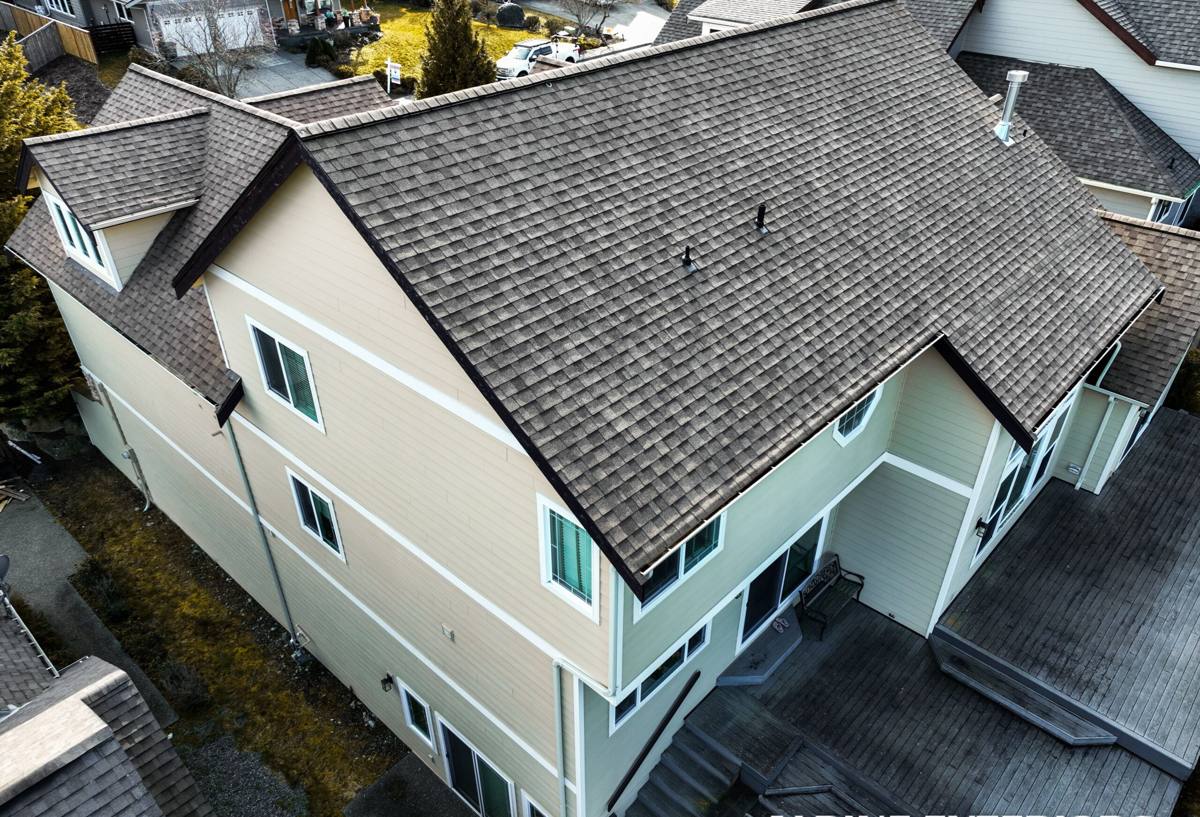
What the Climate Actually Does to Your Walls
Salt Air and Corrosion
Airborne salt doesn't just affect metal — it accelerates the breakdown of many siding materials' surface coatings and can work into seams and fastener points over years of exposure. Homes closer to the water see this faster, but salt air travels well inland on Gulf breezes, so it's a factor for most of Dunedin, not just waterfront lots.
Wind-Driven Rain
Florida rain rarely falls straight down during a real storm. When wind pushes rain sideways, it finds every gap, lap joint, and fastener hole that wasn't sealed and flashed correctly. Siding that looks fine on the surface can be hiding moisture intrusion behind it if the original installation cut corners on water management details.
UV and Heat Cycling
Pinellas County gets strong, direct sun essentially year-round. UV breaks down pigments and resins in lower-grade siding and paint finishes, leading to fading, chalking, and eventually cracking. Daily heat-up and cool-down cycles also stress the material and any caulking or sealant joints.
Wind Load
Hurricane-force wind events put real mechanical stress on exterior walls — pulling at fastener points and testing whether siding was installed to the product's actual wind-rated specifications, not just nailed up quickly.
Signs Your Dunedin Home Needs Siding Replacement
- Visible warping, buckling, or panels that no longer sit flat against the wall
- Soft or spongy spots when you press on the siding, which usually means moisture has reached the substrate
- Persistent paint failure — peeling or blistering that comes back within a year or two of repainting
- Cracking or splitting, especially around corners, seams, and fastener points
- Rising energy bills with no other explanation, which can point to a compromised weather barrier
- Visible gaps, rot, or staining at trim, window, and door transitions
- Siding that's simply reached the end of its expected service life for its material type
Any one of these on its own might be a repair. Several at once, especially on a home more than 15-20 years old, usually means the wall system as a whole needs to be addressed rather than patched.
What a Correct Siding Replacement Actually Involves
Siding replacement done right is not just pulling off old panels and putting up new ones. In a climate like this, the parts you don't see afterward matter as much as the finished look.
Tear-Off and Substrate Inspection
Once the old siding comes off, the sheathing underneath gets inspected for rot, soft spots, or prior water damage. This is often the first real look anyone has had at the wall assembly in years, and it's the point where hidden problems either get caught and fixed or get sealed back up under new siding — which just delays the same problem.
Weather-Resistive Barrier
A correctly installed moisture barrier is what actually keeps wind-driven rain from reaching your sheathing and framing. This layer, and how it's lapped and sealed around penetrations, matters as much as the visible siding above it.
Flashing at Every Transition
Windows, doors, roof lines, and any wall penetration need proper flashing so water is directed out and away rather than trapped behind the siding. This is one of the most commonly rushed steps in low-bid installations, and it's usually where future leaks originate.
Installation to Manufacturer Spec
Fastener type, spacing, clearances, and joint treatment all affect how the siding performs in wind and moisture. Installing to the manufacturer's published specifications is what keeps a wind rating and a warranty valid — skipping details here is invisible on install day and expensive later.
Why We Install Only James Hardie Fiber Cement
We've made a deliberate decision to install James Hardie fiber cement siding exclusively — not vinyl, not LP SmartSide, not primed wood products. That's not a marketing angle; it's a standard we hold because of what this specific climate does to exterior materials over time.
Fiber cement is non-combustible, holds up structurally under wind loads when installed correctly, and doesn't soften, rot, or feed moisture the way wood-based products can if water gets behind them. James Hardie's ColorPlus factory-applied finish is baked on in a controlled setting rather than field-applied, which gives it far better resistance to Florida's relentless UV than site-painted alternatives. Hardie also engineers specific product lines (their HZ5 formulation) for humid, high-moisture climates like the Gulf Coast, which is a meaningful difference from siding designed as a one-size-fits-all national product. Add in a strong transferable warranty backed by an established manufacturer, and it's the product we're comfortable standing behind on a home that's going to face Dunedin's weather for decades.
That said, fiber cement only performs as advertised when it's installed to spec. The product and the installation are a package — get either one wrong and you lose the benefit.
Why a Local Crew Matters for This Job
Siding replacement isn't a job you want a crew learning on. Working regularly in Oldsmar and Dunedin means we already know how local homes are typically built, what the older housing stock in this part of Pinellas County tends to have hiding behind its walls, and how to sequence a tear-off and install around Florida's unpredictable rain windows so your home isn't sitting exposed longer than it needs to be.
A crew unfamiliar with Gulf-coast conditions can install siding that looks correct and still underperforms — wrong fastener spacing for the wind zone, barrier details that don't account for wind-driven rain, or a finish that wasn't chosen with year-round UV in mind. Local experience is what closes that gap between "installed" and "installed correctly for this environment."
Our Process for a Dunedin Siding Replacement
| Step | What Happens |
|---|---|
| Assessment | On-site inspection of current siding, trim, and visible wall condition; discussion of problem areas and goals |
| Proposal | Written scope covering material, color, tear-off, and any substrate repair allowances, with a clear estimate |
| Tear-Off | Removal of old siding and inspection of sheathing and framing before anything new goes up |
| Repair (if needed) | Any rot, soft sheathing, or damaged framing addressed before the weather barrier goes on |
| Weather Barrier & Flashing | Moisture barrier installed and lapped correctly; flashing set at every window, door, and penetration |
| Hardie Installation | Fiber cement siding installed to manufacturer fastening and clearance specifications |
| Final Walkthrough | Site cleanup and a walkthrough so you can see the finished work before we consider the job done |
What Affects the Cost of Siding Replacement
| Factor | Why It Matters |
|---|---|
| Home size and wall complexity | More square footage and more corners, gables, or dormers mean more material and labor time |
| Current substrate condition | Rotted sheathing or framing found during tear-off adds repair scope before new siding can go up |
| Siding profile and trim details | Lap width, trim style, and accent details all affect material cost and install time |
| Story height and access | Two-story sections and difficult access points take longer and require more equipment |
| Existing siding removal | Multiple layers of old siding or extensive fastener removal adds time to the tear-off phase |
Costs vary enough between homes that we don't quote a number without seeing the property. What we can tell you is that the biggest cost swings usually come from what's found during tear-off, not from the siding material itself — which is exactly why a thorough inspection at that stage is worth insisting on.
Checklist for Choosing a Siding Replacement Contractor
- Ask what happens if they find rotted sheathing during tear-off — the answer should be a clear repair process, not silence
- Confirm they install to the manufacturer's published fastening and clearance specifications
- Ask specifically how they handle flashing at windows, doors, and roof transitions
- Get the warranty terms in writing, both for materials and labor
- Ask how long they've been working in your specific area and what climate-related issues they watch for
- Get a written scope that specifies the exact product line, profile, and finish — not just "siding"
If your Dunedin home's siding is showing its age or you just want an honest read on its current condition, we're happy to take a look. Reach out for a free, no-pressure estimate — no obligation, just a straight assessment of what your home actually needs.