 Oldsmar Siding
 Siding Replacement Built for Tampa Bay Golf and Country Club
Tampa Bay Golf and Country Club is one of Oldsmar's established golf course communities, and homes here face a combination of exposures that a lot of siding was never engineered to handle. Fairway-facing elevations get full sun for most of the day with little tree cover to break it up. Homes closer to the water or the open course catch wind straight off Old Tampa Bay with nothing to slow it down. And because this is Pinellas County, every wall assembly on the property eventually has to survive a hurricane season, not just a hot afternoon. When we replace siding in this neighborhood, we're not treating it like a generic Tampa Bay job — we're accounting for what golf course frontage specifically does to a home's exterior.
This page covers what siding replacement actually involves for a Tampa Bay Golf and Country Club home: what tends to go wrong with older siding here, what correct installation requires, and why we only put James Hardie fiber cement on these homes.
What's Usually on the Wall Right Now
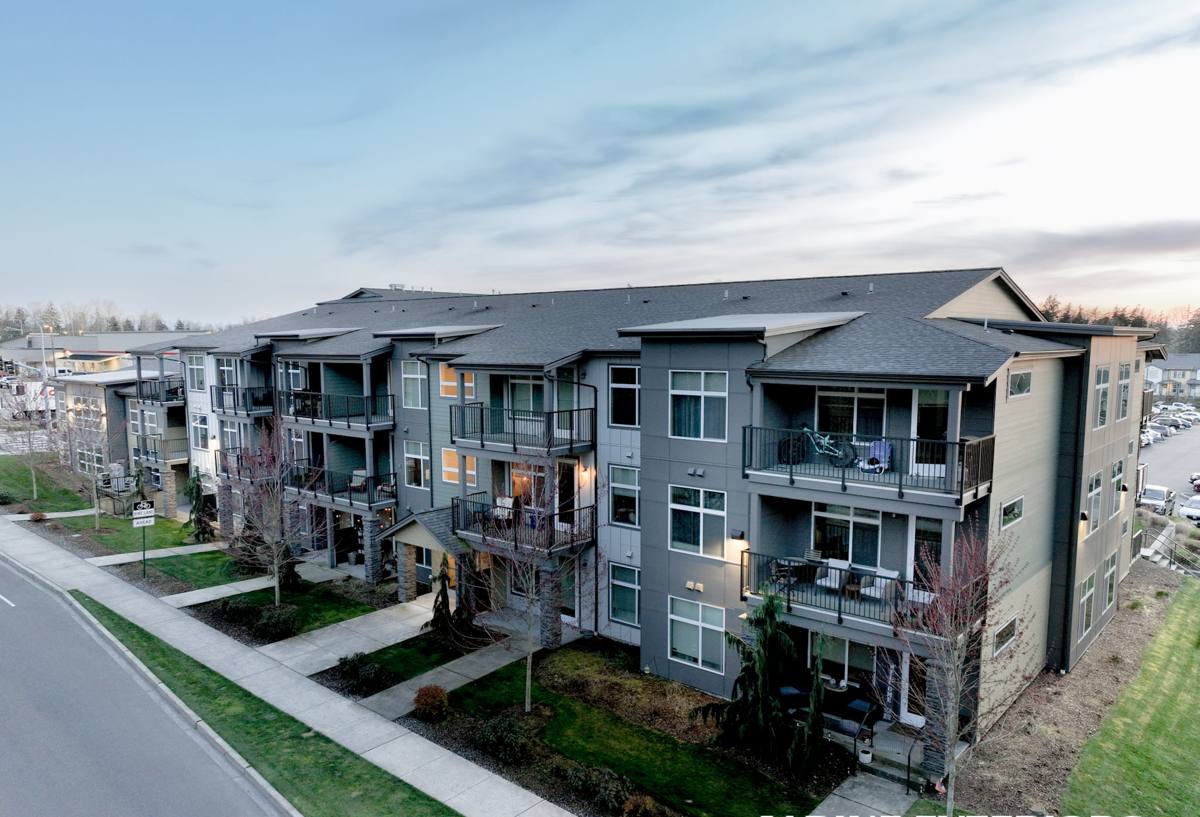
Homes in this part of Oldsmar were generally built during an era when builders used a mix of materials — original wood lap siding, early vinyl, or in some cases an older fiber cement product that predates today's engineered lines. None of those hold up the same way against three decades of Gulf Coast sun and storms. By the time a homeowner calls us, we're usually looking at one or more of the following:
- Wood siding with soft spots, delamination, or paint that no longer seals out moisture
- Vinyl that's faded, warped, or cracked from UV exposure and heat cycling
- Visible gaps at seams, corners, and trim where caulking has failed
- Staining or discoloration on the sides of the house that face the golf course, where sun exposure is heaviest
- Soft or bubbled sections near ground level or around irrigation zones
None of these are cosmetic-only problems. Once the water-resistive barrier behind the siding gets compromised, moisture works into the wall assembly, and that's a slower, more expensive repair than replacing the siding itself.
The Golf-Course-Frontage Problem
Living on a golf course is part of what makes this community desirable, but it creates two exterior issues that homeowners on an interior street don't deal with as much.
Irrigation overspray
Course and common-area irrigation systems, along with residential sprinklers tuned to keep a golf-adjacent lawn green, often throw water onto the lower courses of siding on a regular schedule. Repeated wetting at the same spots, day after day, is exactly the kind of chronic moisture exposure that shortens the life of any siding material that isn't dimensionally stable and properly sealed at the bottom edge.
Unbroken sun exposure
Fairway lots frequently have wide open sightlines and fewer mature trees shading the house than an interior lot would. That means more direct UV hitting the paint or factory finish on your siding, and more heat cycling as the material expands in the afternoon sun and contracts overnight. Finishes that aren't formulated for this kind of exposure fade unevenly and chalk faster than they would in a shadier spot.
HOA and architectural expectations
Golf course communities like this one also tend to have architectural guidelines around exterior appearance, since sightlines from the course are part of the shared property value. It's worth confirming your association's requirements before you finalize colors or profiles — we're happy to work from whatever guidelines apply to your section.
Why We Only Install James Hardie Fiber Cement
We made a standing decision as a company to install James Hardie fiber cement siding and nothing else — not vinyl, not LP SmartSide, not Cemplank or Allura, not primed wood. That's not a marketing position, it's a practical one built around what actually holds up on Pinellas County homes over time.
Vinyl softens, warps, and can pull away from fasteners under sustained heat and wind load — and hurricane-force gusts are a real design condition here, not a hypothetical. Wood needs a paint and caulk maintenance cycle that most homeowners don't want to keep up with indefinitely, and once moisture gets past a failure point, it doesn't stop. Other fiber cement brands make reasonable products, but we've standardized our crews, fasteners, flashing details, and warranty process around one system so that every job we do is installed exactly to spec, every time. Hardie's ColorPlus factory finish and HZ5 formulation (engineered for the moisture and humidity swings of this climate zone) are built for exactly the conditions a golf-course lot in Oldsmar produces.
What a Correct Installation Involves
Replacing siding is straightforward in concept and easy to get wrong in execution. On every Tampa Bay Golf and Country Club project, our process includes:
- Full tear-off of existing siding down to the sheathing, not an overlay
- Inspection and repair of any sheathing or framing damage found underneath before anything new goes up
- Installation of a new water-resistive barrier, lapped and sealed correctly at every seam
- Hardie panels or lap siding fastened per manufacturer specification — correct fastener type, spacing, and penetration depth
- Proper clearance at grade and at hardscape, so lower courses aren't sitting in standing water or constant sprinkler wetting
- Correct flashing at windows, doors, and every penetration, including caulking with a product rated for this climate
- Factory-finished ColorPlus panels, which means no field painting is required and the finish is warranted separately from the substrate
Skipping any one of these steps is how a siding job looks fine for the first year and then fails at year five. The materials matter, but the installation details are what actually determine whether the wall assembly survives storm seasons.
Cost Factors on a Golf Course Lot
| Factor | Why It Affects Your Project |
|---|---|
| Home size and wall complexity | More corners, gables, and trim details mean more cutting, flashing, and labor time |
| Condition of the sheathing underneath | Hidden moisture damage found during tear-off adds repair scope before new siding goes up |
| Siding profile chosen | Lap siding, panel systems, and accent details each price differently in materials and install time |
| Trim and fascia scope | Many homeowners replace trim boards at the same time to match the new siding and avoid a mismatched look |
| Access around the lot | Fence lines, landscaping, and golf-course-side setbacks can affect staging and scaffolding time |
Our Process for This Neighborhood
Because we already work in Tampa Bay Golf and Country Club and the surrounding Oldsmar area, we're familiar with the general layout of the community, common HOA expectations, and the kind of exposure each side of a golf-adjacent home typically takes. That means our estimate visit isn't a generic walk-around — we're looking specifically at your fairway-facing elevations, checking for the irrigation and sun-exposure patterns described above, and flagging anything that needs attention before we ever price the job.
From there, our process is the same disciplined sequence on every home: an in-person inspection and measurement, a written estimate that breaks out material and labor, a scheduled tear-off and install window, and a final walkthrough before we call the job done. We don't subcontract the work out to whoever's available that week — the crew that quotes the job is the crew that installs it.
Why Hiring a Crew That Already Works This Community Matters
A contractor who's replaced siding on a handful of homes in this neighborhood already knows things a first-timer has to learn on your dime: which sections tend to have irrigation overspray issues, what the local HOA architectural committee typically expects for approval paperwork, and how the wind exposure differs between an interior lot and one that backs up to open fairway. That familiarity shows up in fewer surprises during tear-off and a smoother approval process if your association requires sign-off before work begins.
It also matters for warranty follow-through. If an installer disappears after the job or isn't local, a warranty claim five years down the road is a phone call into the void. We're based in the area and plan to still be here when you need us.
Caring for Your New Siding
Hardie fiber cement is low-maintenance, not zero-maintenance. A short annual routine keeps it performing the way it's supposed to:
- Rinse the exterior with a garden hose once or twice a year to clear salt residue and pollen buildup
- Redirect or adjust sprinkler heads so they aren't hitting the same section of siding on every irrigation cycle
- Keep an eye on caulking at trim and window edges, and have gaps resealed before the next rainy season
- After any major storm, walk the exterior and look for cracked panels, loose fasteners, or damaged trim
- Trim back landscaping that's grown up against the siding, since constant leaf contact traps moisture
If your Tampa Bay Golf and Country Club home has siding that's showing its age — fading, soft spots, gaps at the seams, or just a look that doesn't match the rest of the neighborhood anymore — we're glad to come out, walk the property with you, and give you a straight, no-pressure estimate. Use the form below to get started.