 Oldsmar Siding
 Roof Damage After a Florida Storm Isn't Always Obvious
A storm rolls through, the wind dies down, and the roof looks fine from the driveway. That's the tricky part. Wind and wind-driven rain rarely leave a roof looking dramatically different — they lift shingle tabs a fraction of an inch, work water under flashing, or strip granules in a pattern you'd need a ladder and a trained eye to spot. In Land O' Lakes, where afternoon storms build fast and tropical systems can bring sustained straight-line winds for hours, that "it looks fine" assessment is often wrong. We've repaired plenty of roofs where the damage had been sitting undetected since the last named storm, quietly letting water into the decking every time it rained.
This page is specifically about storm damage roof repair for homes in and around Land O' Lakes — not a general roofing overview. If your roof took a hit from wind, hail, or a falling limb and you need it assessed and fixed correctly, here's what that actually involves.
What Land O' Lakes Roofs Are Up Against
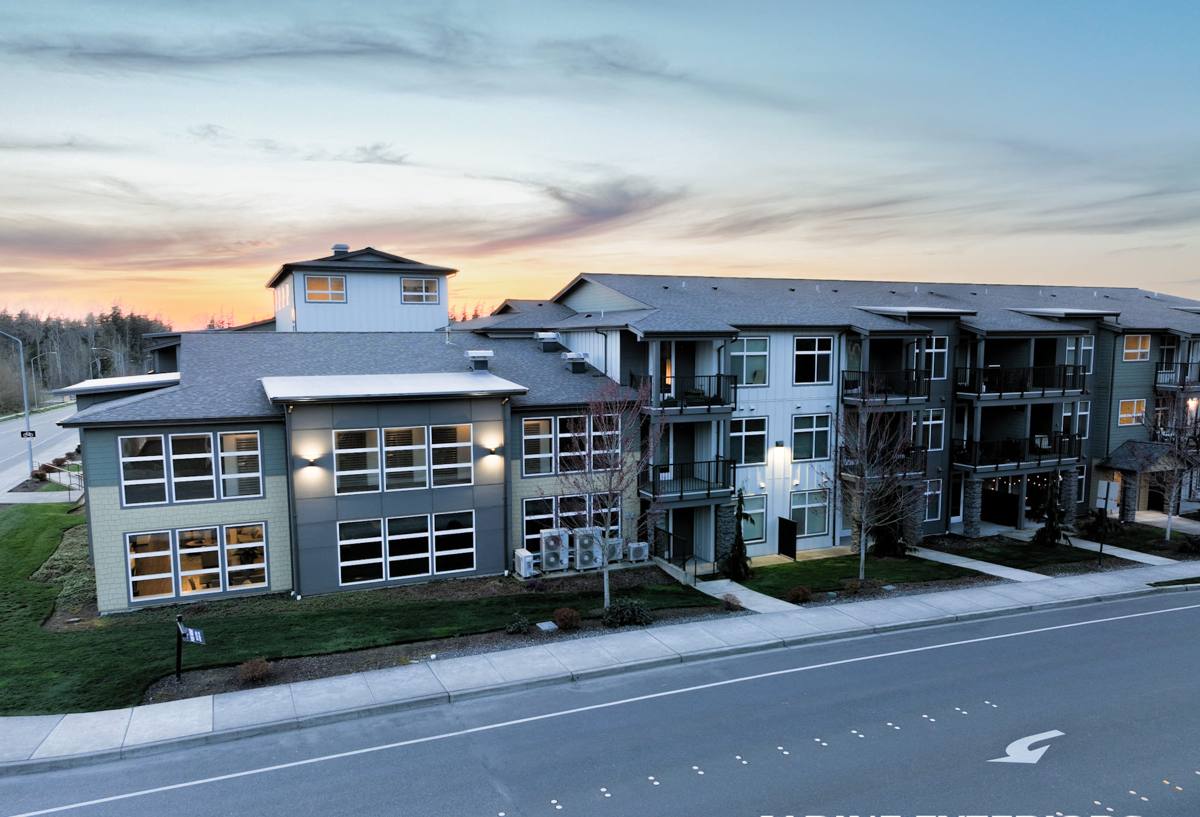
Land O' Lakes sits in the Tampa Bay storm corridor, and the roof assemblies here take a beating from more than one direction at once:
- Hurricane-force and tropical-storm-force wind gusts that get up under shingle tabs, ridge caps, and flashing edges — especially on roofs where the sealant strip has already weakened from age or heat.
- Wind-driven rain that doesn't just fall on a roof, it's pushed sideways and upward under laps, vents, and flashing that were never designed to shed water moving in that direction.
- Intense, near year-round UV exposure that bakes shingles, cracks sealant, and makes underlayment brittle long before a storm ever arrives — so the roof that "should" have a few years left often doesn't hold up the way it would in a milder climate.
- Falling limbs and debris from the mature tree canopy common in many Land O' Lakes neighborhoods, which can crack tiles, punch through shingles, or dent metal roofing even in storms that don't make the news.
None of these show up as a single obvious problem. Usually it's a combination — UV-weakened shingles that a wind event then lifts, or a small hail bruise that wind-driven rain later turns into an active leak. That's why storm damage repair here has to account for the whole picture, not just the visible dent or missing shingle.
Why We Look at the Whole System, Not Just the Damage Point
A roof is a system: shingles or tiles, underlayment, flashing, ventilation, and decking all work together. Storm damage rarely stays contained to one component. Wind that lifts a shingle also stresses the nail line and the shingles around it. Water that gets past a cracked pipe boot often travels along the decking before it shows up as a stain on your ceiling, sometimes feet away from where it actually entered. When we repair storm damage, we're checking adjacent material condition, not just patching the spot that failed.
Signs of Storm Damage Worth Checking
After any significant wind or rain event, it's worth doing a quick visual check from the ground and inside the attic if you have access. Warning signs include:
- Shingles that look curled, lifted at the edges, or missing entirely, especially near ridges and roof edges where wind pressure is highest
- Granules collecting in gutters or at downspout outlets — a sign of impact damage or accelerated wear
- Dented or dislodged ridge caps, pipe boots, or flashing around chimneys and skylights
- Cracked or slipped roof tiles, if you have a tile roof
- New or worsening ceiling stains, especially after the next rain following a storm
- Daylight visible through the roof deck when viewed from inside the attic
- Soft or spongy spots when walking the roof (we check this — homeowners shouldn't be on a storm-damaged roof)
One sign alone doesn't always mean a major problem, but any of these after a storm is worth a professional look before the next rain finds the weak spot.
What a Correct Storm Repair Actually Involves
Storm repair done right isn't just replacing what's visibly broken. It's matching the repair method to what actually failed underneath.
Spot Repairs
When damage is isolated — a section of lifted shingles, a cracked tile, a damaged flashing point — a proper spot repair replaces the affected material, checks and re-seals the underlayment beneath it, and re-secures adjacent shingles or tiles that were stressed but not destroyed. Done sloppily, a spot repair just patches the surface and leaves a weak point that fails again in the next storm.
Flashing and Penetration Repairs
A large share of storm-related leaks trace back to flashing — around chimneys, skylights, pipe boots, and roof-to-wall transitions — rather than the field of the roof itself. These areas move differently than the surrounding roof material during wind events, and sealant alone is never a permanent fix. Correct repair means resetting or replacing the flashing itself, not just recaulking it.
Decking Repair
If water has been getting in for a while, the plywood decking underneath can be soft, delaminated, or rotted. This isn't something you can see from the ground or even always from the attic without a close inspection. Replacing damaged decking before installing new roofing material over it is non-negotiable — covering wet or weak decking just hides the problem and shortens the life of the repair.
Full Section or Full Roof Replacement
When storm damage is widespread — hail impact across large areas, wind uplift across multiple roof planes, or a roof that was already near the end of its service life — a repair isn't the honest recommendation. We'll tell you plainly when that's the case rather than patching a roof that needs to come off.
Our Process for Storm Damage Repair
- Inspection. We check the full roof system — surface material, flashing, ventilation, and, where accessible, the decking and attic — not just the area you flagged.
- Documentation. We photograph and document the damage clearly, which matters if you're filing an insurance claim.
- Honest scope. We tell you what actually needs repair versus what's cosmetic or pre-existing wear, and give you a written plan before any work starts.
- Repair. Work is done to match the existing roof material and profile as closely as possible, with attention to the flashing and underlayment details that actually determine whether the repair holds.
- Follow-up. We check the completed work and answer questions about maintenance so the repair isn't a one-and-done conversation.
Insurance Claims: What We Can and Can't Do
We're not your insurance adjuster and we don't work for your insurance company. What we can do is give you an honest, well-documented assessment of storm-related damage that you can bring to your claim — clear photos, a plain description of what happened and what it will take to fix it, and a written estimate. If your insurer's assessment doesn't match what we find on the roof, we'll talk through the discrepancy with you so you understand what you're looking at. Filing decisions and coverage questions are between you and your carrier; our job is making sure the roof itself gets fixed correctly regardless of how that claim plays out.
What Storm Repair Typically Costs
Every roof and every storm is different, so treat this as a general guide to what drives cost, not a quote.
| Factor | Why It Matters |
|---|---|
| Extent of damage | Isolated spot repairs cost far less than multi-plane wind or hail damage covering large sections of the roof |
| Decking condition | If water intrusion has been ongoing, decking replacement adds material and labor cost beyond the surface repair |
| Roofing material | Tile repair, metal roofing, and architectural shingles each require different materials, tools, and labor time |
| Roof pitch and access | Steeper roofs and limited access (tight lot lines, tall trees) increase labor time and safety requirements |
| Flashing and penetrations | Roofs with more chimneys, skylights, and vents have more potential failure points to inspect and reseal or replace |
| Material availability | Matching existing tile or discontinued shingle lines can affect cost and timeline |
Why a Local Crew Matters for Storm Repair
Storm damage repair isn't generic roofing work. A crew that regularly works in Land O' Lakes and the surrounding Tampa Bay area knows what wind-driven rain actually does to flashing details in this climate, recognizes UV-related material fatigue on sight, and understands how local wind exposure and tree cover affect different lots differently. That familiarity shows up in the details — knowing which flashing points fail first in this region, understanding how salt air and humidity affect fastener corrosion over time even a few miles inland, and being available quickly after a storm when a tarp or emergency repair can't wait. It also means we're still here next season if a repair needs a warranty check, not a storm-chasing crew that worked the area for a few weeks and moved on.
After a Storm: A Quick Homeowner Checklist
- Do a ground-level visual check of the roof, gutters, and yard for shingle granules, debris, or visible damage
- Check ceilings and the attic (if accessible) for new stains, damp spots, or daylight through the roof deck
- Take photos of anything you notice, including debris or visible material in the yard
- Avoid walking the roof yourself, especially if you suspect damage — soft or weakened decking isn't safe to stand on
- If you see active leaking, place a container to catch water and avoid running electrical near the wet area
- Call for a professional inspection before assuming "it looks fine" means it is fine
- Keep any documentation and estimates organized if you plan to file an insurance claim
If your Land O' Lakes home has been through recent wind, rain, or hail and you want a straight answer about whether the roof needs repair, request a free, no-pressure estimate using the form below. We'll take a real look and tell you what we find.