 Oldsmar Siding
 Asphalt Shingle Roofing for the Tampa Area of Oldsmar
Tampa is one of the residential pockets in and around Oldsmar where a huge share of the homes are still working off original or first-replacement asphalt shingle roofs. It's a good, proven roofing material for this part of Pinellas County — but only when it's installed with this specific climate in mind. A shingle roof that would be perfectly fine in a drier, calmer part of the country can fail early here if the underlayment, fastening pattern, and edge details aren't matched to what this area actually deals with every year.
This page covers what a correctly built asphalt shingle roof looks like for a Tampa-area home in Oldsmar, what tends to go wrong when it's built to a lower standard, and how we approach the job from first inspection to final walk-through.
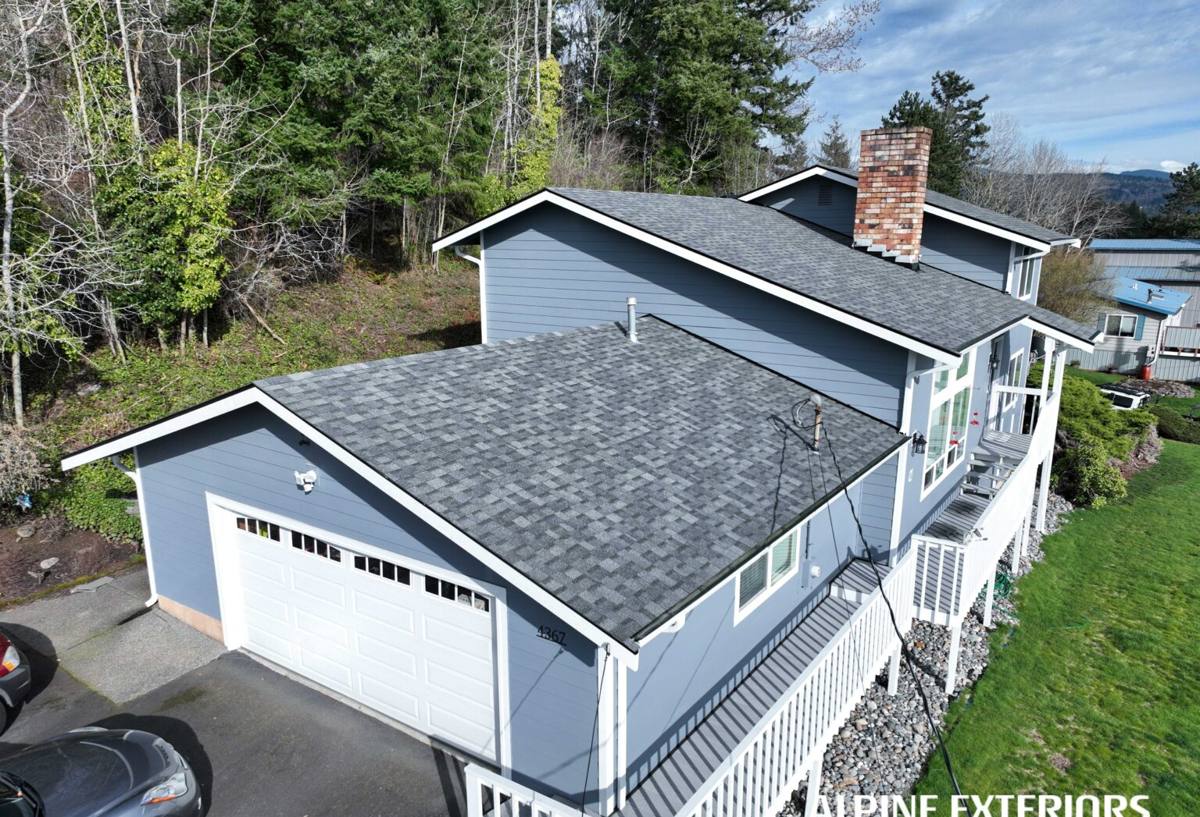
What This Climate Actually Does to a Shingle Roof
Tampa Bay area roofs take on a combination of stresses that most of the country never sees together on the same roof, year after year:
- Hurricane and tropical-storm wind loads — sustained high wind plus gusts that get up under shingle tabs and edges, testing every fastener and every strip of sealant.
- Wind-driven rain — rain that doesn't just fall, it's pushed sideways and upward under shingle edges, valleys, and around penetrations, which is why underlayment and flashing detail matter as much as the shingles themselves.
- Intense, near-constant UV exposure — Florida sun breaks down the asphalt in shingles faster than it does in most of the country, drying out the mat and accelerating granule loss over the life of the roof.
- Salt air — being close to the Gulf and Tampa Bay means metal components (nails, flashing, vents) are exposed to a more corrosive environment than an inland roof, which shortens the life of anything that isn't rated for it.
- Heat cycling — hot afternoons followed by sudden storm cooling put a roof through repeated expansion and contraction, which is hard on sealant strips and flashing joints over time.
None of these individually is unusual for Florida. What makes Tampa-area roofing decisions matter is that a home here deals with all of them, on the same roof, for the roof's entire service life. A shingle system that's only rated or installed to handle one or two of these factors is going to show its weak point eventually — usually during a storm, which is the worst possible time to find out.
What a Correctly Built Asphalt Shingle Roof Includes
Wind-Rated Shingles, Installed to Their Rating
The shingle product itself matters, but the installation matters just as much. A high wind-rated shingle installed with the wrong nail pattern, wrong nail placement, or without the manufacturer's specified sealant activation performs like a cheaper product. We install to the shingle manufacturer's high-wind specification, not the minimum code nailing pattern, because the minimum is a floor, not a target, for a roof that has to survive tropical systems.
Underlayment That Actually Sheds Wind-Driven Rain
Underlayment is the roof's backup plan when wind pushes rain past the shingles, and in this climate that backup plan gets used. We use synthetic or self-adhering underlayment systems appropriate to the roof's slope and exposure, with particular attention to valleys, eaves, and any low-slope transitions where wind-driven rain concentrates.
Sealed, Reinforced Roof Deck
Florida Building Code in high-wind zones calls for a secondary water barrier at the deck level on many roofs — essentially sealing the plywood or OSB deck itself, not just relying on the underlayment layer above it. This is one of the most important upgrades a homeowner can make during a re-roof, because it protects the interior of the home even if shingles or underlayment are compromised in a severe storm.
Corrosion-Resistant Fasteners and Flashing
Given the salt air exposure in this part of Pinellas County, we don't cut corners on metal components. Fasteners, drip edge, valley metal, and flashing around chimneys, walls, and penetrations all need to be rated for coastal-adjacent exposure, not standard inland-grade materials that corrode faster here.
Proper Ventilation
Attic ventilation affects both how long shingles last and how well the roof deck holds up to Florida heat. Under-ventilated attics run hotter, which accelerates asphalt aging from underneath the shingle, in addition to the UV damage happening on top. We check and correct ventilation as part of any full replacement.
Signs a Tampa-Area Roof Needs Attention
| What You See | What It Usually Means |
|---|---|
| Granules collecting in gutters or at downspouts | UV and heat aging — shingles losing their protective surface layer |
| Curling or cupping shingle edges | Aging asphalt, heat cycling, or ventilation issues underneath |
| Lifted or missing tabs after a storm | Sealant strip failure or nailing pattern below wind-rating standard |
| Dark streaking or staining | Algae growth, common in humid climates, mostly cosmetic but worth monitoring |
| Soft spots or sagging | Deck moisture damage — needs prompt inspection, not cosmetic repair |
| Rusty streaks near fasteners or flashing | Corrosion from salt air exposure on standard-grade metal components |
Any one of these on its own isn't necessarily an emergency, but a roof showing several of them at once is usually past the point where patch repairs make sense and is worth a full inspection.
Our Process for a Tampa-Area Shingle Roof
1. On-Site Inspection
We look at the roof from the deck up — not just the shingles. That includes checking for soft spots, evaluating existing ventilation, and looking at flashing condition around every penetration, wall, and chimney. Wind and water damage often start below the shingle layer, so a surface-only look misses the parts that matter most.
2. Honest Repair-vs-Replace Assessment
Not every roof needs full replacement. If the deck is sound and the damage is limited and isolated, a repair can be the right, more affordable call. We'll tell you plainly which situation you're in rather than defaulting to the bigger job.
3. Material and System Selection
We walk through shingle options, wind ratings, and underlayment choices based on your roof's slope, sun exposure, and how close you are to the water, since salt exposure varies even within Oldsmar depending on proximity to the Bay.
4. Tear-Off and Deck Inspection
On a full replacement, we remove old roofing down to the deck and inspect every sheet of decking before anything new goes down. Any rotted or weakened decking gets replaced — this is not a step to skip, and it's not visible once the new roof is on, which is exactly why it has to be done right the first time.
5. Installation to High-Wind Specification
Secondary water barrier where called for, correct underlayment, corrosion-resistant flashing and fasteners, and shingles installed to the manufacturer's high-wind nailing pattern — not the bare code minimum.
6. Final Walk-Through
We go over the finished roof with you, explain what was done and why, and make sure you understand any maintenance items going forward.
Cost Factors for a Tampa-Area Shingle Roof
Every roof is different, so we won't quote a number without seeing yours, but the main factors that move the price on a project in this area are:
- Roof size and complexity — number of facets, valleys, and penetrations affects both material and labor.
- Deck condition — how much decking, if any, needs replacement once the old roofing is off.
- Shingle tier and wind rating — higher wind-rated architectural shingles cost more than standard three-tab but generally hold up better here.
- Underlayment and secondary water barrier scope — full sealed-deck systems cost more upfront but add real storm protection.
- Ventilation corrections — adding or upgrading vents if the current attic ventilation is inadequate.
- Access and pitch — steeper or harder-to-access roofs take more labor time.
Before You Hire: A Practical Checklist
- Confirm the contractor is licensed to work in Florida and carries current liability and workers' comp insurance.
- Ask specifically what underlayment system and nailing pattern they use — not just what shingle brand.
- Ask whether a secondary water barrier (sealed deck) is included or optional, and get a straight answer on the trade-off.
- Get the scope of work in writing, including deck inspection and any per-sheet replacement pricing.
- Ask how they handle deck damage discovered mid-tear-off — this should never be a surprise change order with no explanation.
- Confirm what warranty coverage applies to both materials and workmanship, and what voids it.
Why Local Experience in Oldsmar and Tampa Matters
A roofing crew that works this specific area regularly knows things a crew from outside the region has to learn on your roof. They know which details of Florida Building Code's high-wind provisions actually apply to homes in this part of Pinellas County. They've seen how salt air affects fasteners and flashing differently depending on how close a property sits to the Bay. And they've been back to enough of their own past jobs after a tropical system to know which installation shortcuts hold up and which ones don't.
That kind of local pattern recognition doesn't come from a manufacturer's install manual alone — it comes from doing the work in this climate, on this kind of housing stock, repeatedly. It's part of why we focus on doing the job to a high-wind standard by default rather than treating it as an upsell.
Get a Straightforward Estimate
If you're dealing with an aging shingle roof, storm damage, or just want an honest read on where your roof stands, we're glad to take a look. Use the form below to request a free, no-pressure estimate for your Tampa-area Oldsmar home.