 Oldsmar Siding
 Composite Decking Built for the Tampa Bay Climate
A deck in the Tampa area lives a harder life than a deck almost anywhere else in the country. It sits under intense, nearly year-round UV exposure, gets soaked by wind-driven rain during summer storms, and absorbs salt-laden air blowing in off the Gulf and Tampa Bay. Add in the wind loads that come with hurricane season, and you've got a structure that's being tested from every direction, all the time. Composite decking has become the go-to choice for homeowners in this part of Pinellas County for good reason: done correctly, it holds up to that combination of stress better than most wood species, and it doesn't ask for the constant upkeep a pressure-treated deck demands in this humidity.
That said, "composite" isn't a single product, and installing it correctly in a coastal, storm-prone climate is different from installing it in a dry inland state. This page covers what a Tampa-area composite deck actually needs, what a correct installation looks like, and what our process is when we build one for you.
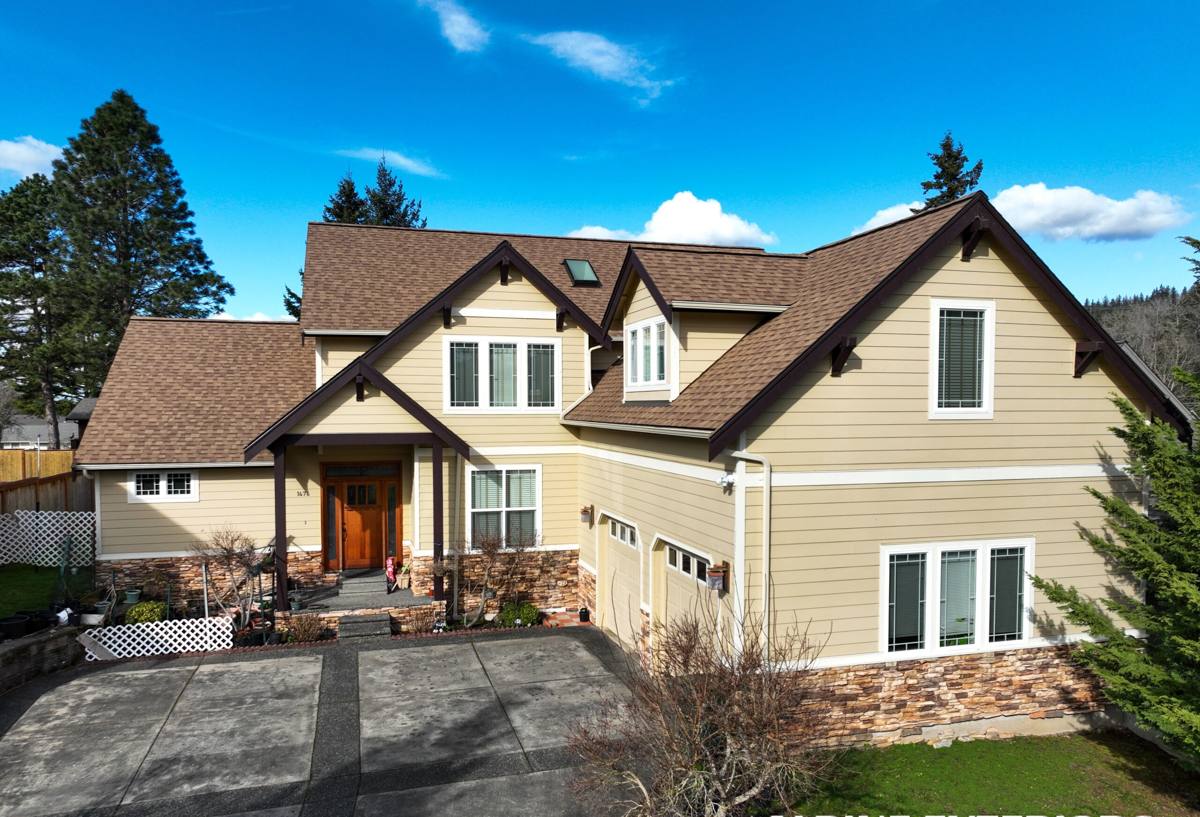
What This Climate Does to a Deck Over Time
Before talking about the deck itself, it helps to understand what it's up against:
- UV exposure: Central Florida sun breaks down unprotected wood fibers and fades color on any surface, composite included, faster than in northern climates. Board quality and cap technology matter more here.
- Wind-driven rain: Summer storms don't just fall straight down — they drive moisture sideways and underneath the deck surface, which is why substructure ventilation and drainage detailing matter as much as the boards themselves.
- Salt air: Even inland from the immediate coastline, Pinellas County air carries enough salt content to accelerate corrosion on fasteners, brackets, and any exposed metal hardware over the years.
- Wind uplift: Hurricane-force wind events put real lateral and uplift load on an outdoor structure, which is a framing and fastening issue more than a decking-material issue.
None of this means composite decking is a "set it and forget it" product here — it means the installation details matter more in Oldsmar and the greater Tampa area than they would somewhere with a milder climate.
What a Correct Composite Deck Installation Involves
The Substructure Comes First
The decking boards get all the attention, but the framing underneath is what determines whether a deck survives storm season and stays flat and quiet underfoot for years. In this climate we pay close attention to:
- Ledger board attachment and flashing where the deck ties into the house — this is the single most common source of hidden water damage on Florida decks.
- Joist spacing appropriate to the specific composite product (many composite boards require tighter joist spacing than solid lumber decking, especially on diagonal layouts).
- Corrosion-resistant fasteners and hardware rated for coastal exposure — stainless or coated hardware, not standard galvanized, given the salt air in this area.
- Proper ventilation and drainage under the deck so wind-driven rain doesn't sit and trap moisture against the substructure.
Substructure Material Choice
Pressure-treated pine framing is the standard and works fine when it's properly fastened and protected, but it will eventually need attention as it ages in Florida humidity. Composite or aluminum substructure systems cost more up front but remove wood rot from the equation entirely underneath the deck — worth discussing depending on your budget and how long you plan to stay in the home.
Fastening for Wind
Hidden fastener clip systems are standard on most composite decking now, and they matter for wind performance, not just appearance. A clip system correctly installed to the manufacturer's spacing spec, combined with properly rated joist hangers and structural connectors, is what keeps a deck attached to the house and to itself during a high-wind event — this is a code and engineering issue, and it's not a place to cut corners.
Composite Decking Board Comparison
| Material | UV/Fade Resistance | Moisture Behavior | Maintenance | Typical Lifespan Here |
|---|---|---|---|---|
| Capped composite | Strong — cap layer resists fading and staining | Very low water absorption when capped on all sides | Occasional wash, no sealing/staining | Long-term, backed by manufacturer warranty |
| Uncapped/first-gen composite | Fades and can chalk over time | More prone to moisture absorption at cut edges | Periodic cleaning, more prone to mold in humidity | Shorter than capped composite |
| PVC decking | Excellent, very fade-resistant | Essentially no water absorption | Low, similar to capped composite | Long-term, premium cost |
| Pressure-treated wood | Grays and weathers, needs finish to slow fading | Absorbs moisture, prone to warping/splitting in this humidity | Annual sealing/staining recommended | Shortest without diligent upkeep |
We install capped composite as our standard recommendation for Tampa-area homes because it offers the best balance of moisture resistance, low maintenance, and cost for what this climate throws at it. We'll talk through PVC as an upgrade option if you want the lowest possible maintenance and have the budget for it.
Our Process
- On-site visit: We look at your existing deck or the space where a new one is going, check the ledger/house connection point, note drainage and sun exposure, and take real measurements.
- Product selection: We walk through composite board and color options with you, factoring in your budget, sun exposure on the deck (darker colors run hotter underfoot), and how the space will be used.
- Design and layout: Board direction, fascia, stair placement, and railing style get finalized before anything is ordered.
- Permitting: Deck work in Pinellas County typically requires a permit and inspection — we handle that process rather than leaving it to you.
- Demo (if replacing): Old decking and, if needed, old framing comes out and gets hauled off.
- Framing: Substructure gets built or repaired to spec, with corrosion-resistant hardware and proper ledger flashing.
- Decking installation: Boards go down per manufacturer spacing and fastening requirements, accounting for thermal expansion gaps appropriate to Florida temperature swings.
- Finish work: Fascia, stairs, railing, and any picture-framing detail get completed and cleaned up.
- Final walkthrough and inspection: We walk the deck with you and get it through final inspection.
What Drives the Cost
| Factor | Why It Matters |
|---|---|
| Deck size and shape | Square footage and the number of angles/cuts affect both material and labor |
| Board tier (capped composite vs. PVC vs. entry-level) | Material cost per square foot varies significantly between tiers |
| Substructure condition | Replacing rotted or undersized existing framing adds cost versus building on a sound structure |
| Height and stairs | Elevated decks need more substructure, railing, and stair work |
| Railing style | Composite, aluminum, and cable railing all price differently |
| Permitting and inspection | A required cost in Pinellas County, built into the project rather than optional |
We give a written, itemized estimate before any work starts — no surprise change orders for things we could have caught during the site visit.
Living With a Composite Deck Here
One of the real advantages of capped composite in this climate is how little ongoing work it asks for compared to wood. A periodic wash with soap and water (or a low-pressure rinse) to clear off pollen, salt residue, and mildew film is generally all it needs. It won't need sanding, staining, or sealing. That said, a few things are worth knowing:
- Salt air residue can build up on any outdoor surface near the coast — rinsing periodically prevents it from dulling the board finish over time.
- Standing water or debris left in corners or against railing posts can encourage mildew growth in our humidity, even on capped boards — keeping the surface clear helps.
- Metal hardware, even coated, should be checked periodically for corrosion, especially on decks closer to the water.
- Composite boards can get hot underfoot in direct summer sun — lighter colors stay cooler than dark tones if bare feet on the deck matters to you.
Storm Season and Structural Considerations
A deck attached to your home is part of your home's overall wind resistance picture. During hurricane season, the connections matter as much as the materials: the ledger-to-house attachment, the joist hangers, the post bases, and the railing anchoring all need to meet current wind-load requirements for this area. This isn't marketing language — it's the same structural logic that applies to any exterior addition in a county that sees tropical storm and hurricane activity. We build to code, not to the minimum that passes inspection.
Why a Crew That Already Works Tampa and Oldsmar Matters
A contractor working across the greater Tampa Bay area day in and day out has already seen how these products perform locally — which composite boards hold their color after a few summers, which fastener systems actually resist the salt content in the air, and which substructure choices cause problems five years down the road versus which ones don't. That's different knowledge than following a manufacturer's national install guide without local field experience behind it. It also means we're familiar with Pinellas County permitting and inspection expectations, so your project doesn't stall on paperwork.
Questions Worth Asking Any Contractor Before You Hire
- Is the estimate itemized, showing material tier, labor, and permitting separately?
- What fastener and hardware grade will be used, and is it rated for coastal/salt-air exposure?
- Who pulls the permit, and is that included in the price?
- What's the manufacturer warranty on the specific board being installed, and does it cover fading and staining?
- What's the plan for the substructure if the existing framing is being reused — will it be inspected before new decking goes down?
If a contractor can't answer these clearly, that's worth noting before you sign anything.
If you're weighing a new composite deck or replacing tired decking in Oldsmar or the surrounding Tampa area, we're happy to take a look and give you a straight, no-pressure estimate — just fill out the form below.