 Oldsmar Siding
 New-Construction Windows for Tampa Homes and Additions
New-construction windows are a different job than window replacement, even though both put glass in a wall. A new-construction window has a nailing fin around the frame that gets integrated directly into the wall's weather-resistant barrier, sheathing, and flashing before stucco, siding, or brick veneer ever goes on. That's the right choice when you're framing a new home, building an addition, or enclosing a lanai in the Tampa area — it gives you a fully engineered, code-compliant water and wind seal instead of working around an existing rough opening. Get this step wrong during framing and you're looking at hidden leaks and rot years later, hidden behind finished walls where nobody will find them until there's a real problem.
We install new-construction windows for builders, remodelers, and homeowners working in Tampa and the surrounding Pinellas and Hillsborough County area. We know the inspection process, the wind load requirements, and what it takes to pass rough-in and final without callbacks.
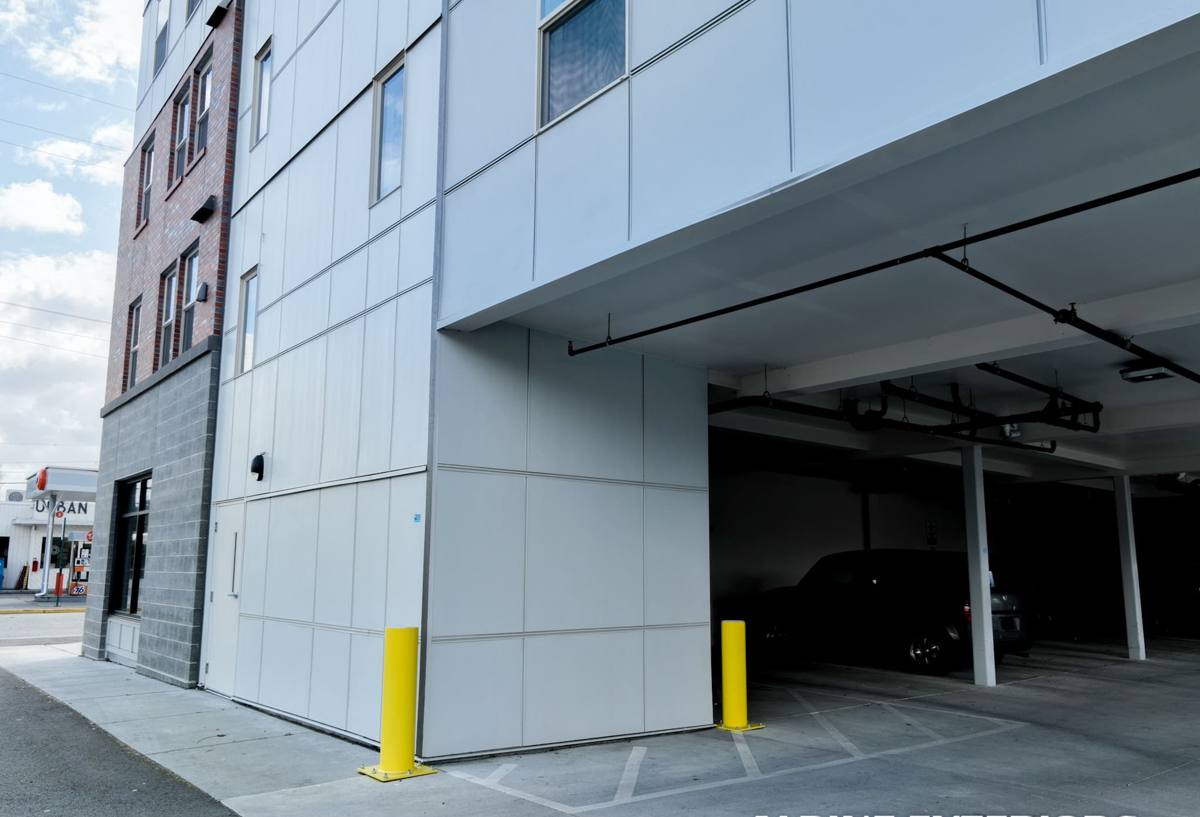
Why Tampa's Climate Changes How Windows Need to Be Installed
Tampa Bay isn't a gentle climate for a window opening. Four things work against a new-construction window over its lifetime, and each one has to be designed around, not just tolerated:
- Hurricane-force wind: Wind load and wind-borne debris requirements under the Florida Building Code apply throughout the Tampa Bay region, and the specific rating a window needs depends on the home's exposure, height, and location on the lot.
- Intense year-round UV: Florida sun breaks down cheap vinyl, dries out sealants, and fades interior finishes faster than in almost any other part of the country. Frame material and glass coatings both need to be chosen with that in mind.
- Wind-driven rain: Tampa storms don't just fall straight down — wind pushes rain sideways and up under trim and flashing that isn't properly lapped. This is the single biggest cause of hidden window leaks we see in new construction.
- Salt air: Even well inland from the bay itself, salt-laden air corrodes cheap hardware, fasteners, and unprotected metal components faster than homeowners expect.
A window that's rated correctly on paper but installed with shortcuts in flashing or sealant will still fail in this climate. The rating on the label only matters if the installation around it is done right.
Florida Building Code and Product Approval
Every new-construction window installed in Hillsborood and Pinellas County jurisdictions needs a valid Florida product approval (or Miami-Dade NOA where required) matching the wind pressure and impact requirements for that specific opening on that specific house. This isn't a one-size answer — a window on a two-story corner of the house facing open exposure often carries a different requirement than a sheltered opening on the first floor. Part of our job is pulling the engineering documentation that matches each window to its actual location on the structure, not just ordering a generic "hurricane window" and hoping it clears inspection.
What a Correct New-Construction Window Installation Involves
The window itself is maybe a third of the job. The rest is sequencing — getting the layers around the window installed in the right order so water has nowhere to go but back outside.
The Install Sequence
- Rough opening check: Verify the opening is square, level, and sized to the window manufacturer's tolerances before the window ever goes in.
- Sill pan flashing: A sloped or dedicated sill pan directs any water that gets past the window back outside instead of into the wall cavity.
- Window-to-WRB integration: The nailing fin is sealed and taped into the weather-resistant barrier in a shingle-lap pattern — sides and head flashing overlap in the order that lets gravity do the work.
- Fastening per manufacturer and code: Nail or screw pattern, spacing, and fastener type matter for the wind rating to actually apply — deviate from the tested pattern and you've voided the approval, whether or not anyone catches it.
- Sealant at the interior and exterior: A backer rod and compatible sealant, not just a bead of caulk, at the points where water and air infiltration actually happen.
- Rough-in inspection: Before stucco or siding covers any of this up, it needs to pass inspection — this is the point where mistakes are still visible and fixable.
Skipping or rushing any one of these steps is invisible on install day and shows up as a leak, a stain, or a failed re-inspection months or years later.
Choosing Frame and Glass for a Tampa New-Construction Job
There's no single "best" window for every opening — the right choice depends on exposure, budget, and how the opening is oriented on the house. Here's how the common options stack up for this climate:
| Factor | Vinyl / Impact-Rated Vinyl | Aluminum | Fiberglass / Composite |
|---|---|---|---|
| Upfront cost | Lower to mid-range | Mid-range | Higher |
| UV / heat resistance | Good with quality compounds; cheaper vinyl can warp over time | Very good, doesn't warp, but conducts heat | Excellent, stable in extreme heat cycling |
| Salt air / corrosion | Not affected — no metal to corrode | Needs proper coatings; bare aluminum corrodes near the coast | Not affected |
| Impact / wind rating options | Widely available in impact-rated lines | Available, often at commercial-grade cost | Available, fewer options regionally |
| Maintenance | Low | Low to moderate | Low |
For most Tampa-area new construction, impact-rated vinyl or composite windows hit the right balance of cost and performance. Aluminum still has its place, particularly on larger commercial-scale openings, but it needs the right finish and hardware to hold up long-term in salt air.
Our Process for New-Construction Window Jobs in Tampa
We work directly with builders and general contractors, or directly with homeowners managing their own addition or build. Either way, the process looks like this:
1. Plan Review and Product Selection
We review the plans or existing framing, identify wind pressure zones for each opening, and select window products with matching, documented product approvals — not guesswork after the fact.
2. Scheduling Around the Build
New-construction windows go in at a specific point in the framing schedule — after dry-in, before exterior finish. We coordinate with the builder's timeline so we're not the reason a job stalls.
3. Installation to Manufacturer and Code Spec
Flashing, fastening, and sealant applied to the sequence above, with photos taken at each covered-up stage so there's a record of what's behind the finished wall.
4. Inspection-Ready Documentation
We keep the product approval paperwork and installation photos organized and ready to hand to the inspector or the homeowner's file — this matters at resale and at claim time after a storm.
Why Hire a Crew That Already Works Tampa
Wind pressure requirements, product approval documentation, and inspector expectations shift somewhat by jurisdiction. A crew that regularly pulls permits and passes rough-in inspections in the Tampa Bay area already knows what the local building department wants to see, what gets flagged, and how to document a job so it doesn't bounce back. That familiarity saves real time and rework on a new build, where a failed inspection can hold up the whole framing schedule, not just the window install.
Checklist: What to Confirm Before Windows Go In
- Product approval (Florida or Miami-Dade NOA) documentation matches each window's actual wind zone and location on the house
- Rough openings are checked square and to spec before windows arrive on site
- Sill pan flashing is part of the install plan, not just perimeter sealant
- Fastening pattern follows the manufacturer's tested installation instructions exactly
- Installation is scheduled to allow rough-in inspection before exterior finish covers the work
- Photos or documentation exist for anything that gets covered up before final inspection
What Homeowners and Builders Ask Us About
New-construction window work often comes with questions about warranty coverage, energy performance, and how the windows will hold up once stucco or siding is finished around them. We walk through all of that up front — what's covered by the manufacturer, what's covered by our installation warranty, and what routine maintenance (checking sealant joints, keeping weep holes clear) looks like once you're living in the finished space. None of it is complicated, but it's worth knowing before the walls close in around the windows for good.
If you're framing a new home, planning an addition, or enclosing a space in the Tampa area and need new-construction windows done right the first time, we're glad to walk the plans with you and give you a straightforward, no-pressure estimate. Use the form below to get started.