 Oldsmar Siding
 Roof Replacement for Tampa-Area Homes Near Oldsmar
Oldsmar sits right at the edge of Tampa Bay, close enough to Tampa proper that a lot of homes on this side of the water deal with the exact same roofing conditions — salt-laden air off Old Tampa Bay, intense summer sun, and the wind-and-rain punch of a Gulf-fed storm system. A roof here doesn't fail for one reason. It fails from years of small stresses stacking up: UV breaking down asphalt oils, humidity working into fastener holes, and wind lifting shingle edges a little more with every storm season. Replacing a roof correctly in this area means building for that combination, not just matching what was there before.
This page covers what a Tampa-area roof replacement actually involves, what separates a correct job from a shortcut job, and why using a crew that already works this side of the bay — rather than one passing through — makes a practical difference in how the job goes and how the roof holds up.
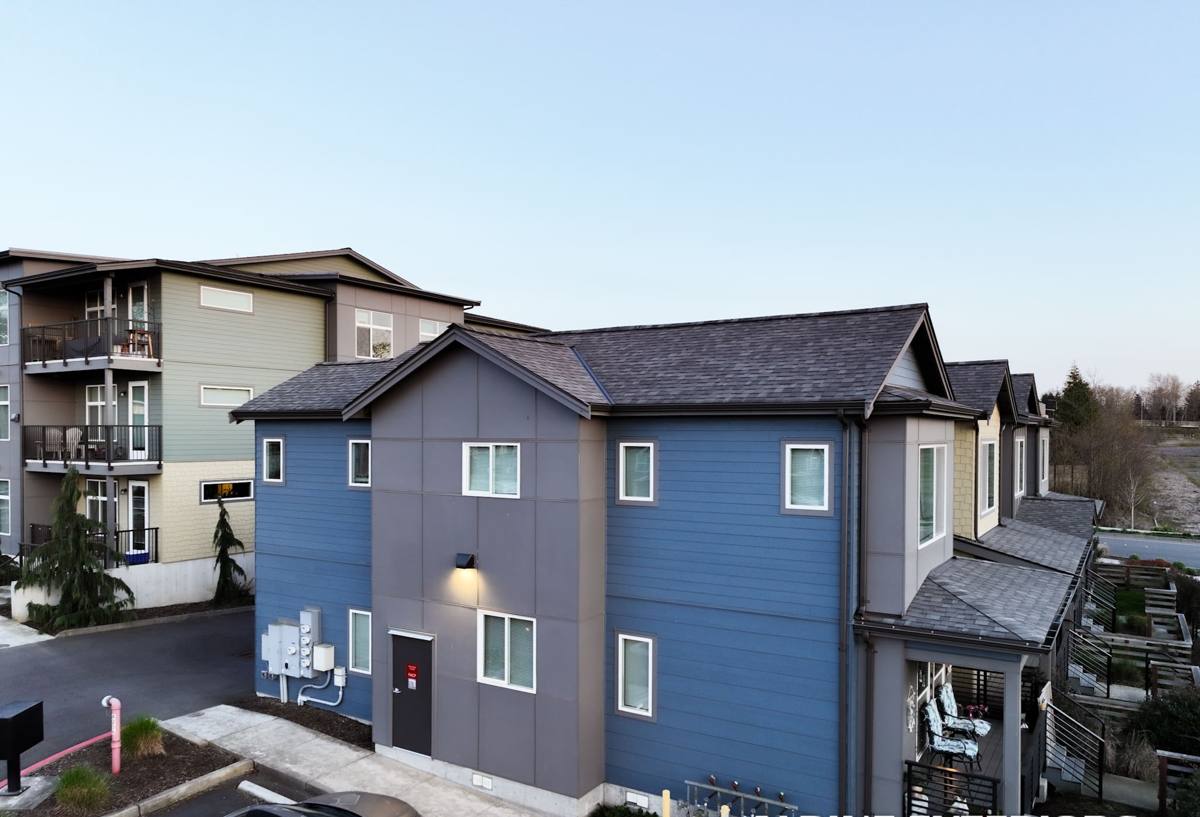
What Tampa Bay Weather Actually Does to a Roof
Wind
Tropical systems and seasonal thunderstorm squalls both bring sustained wind and sharp gusts. Roofs don't usually fail all at once — they fail at the edges and corners first, where wind uplift is strongest, then work inward. A roof replacement built for this area has to account for edge and corner wind zones specifically, not just the field of the roof.
UV and heat
Florida sun is close to year-round, and roof surface temperatures regularly run well above the air temperature. That heat cycle dries out asphalt oils in shingles over time and accelerates aging on any roofing material that isn't rated for it.
Wind-driven rain
The problem isn't just how much rain falls — it's the angle it falls at. Wind-driven rain gets pushed sideways and upward under shingle edges and through fastener penetrations that would stay dry in a calm rain. This is why underlayment and flashing detail matter as much as the shingle itself.
Salt air
Being close to Old Tampa Bay means airborne salt reaches roofs, gutters, vents, and metal flashing here more than it would further inland. Salt accelerates corrosion on exposed fasteners, vent boots, and any unprotected metal, which is a detail a lot of standard installs don't plan for.
Signs a Roof Needs Replacement, Not Another Repair
Repairs make sense for isolated damage on an otherwise sound roof. Replacement becomes the honest answer once the roof is failing broadly rather than in one spot. Common signs include:
- Shingles that are cupping, curling, or losing granules across large sections, not just one area
- Multiple past repairs in different spots — a sign of a roof aging out rather than one bad section
- Soft spots in the decking when walked, which usually means moisture has reached the wood underneath
- Visible daylight or water staining in the attic, especially near valleys, chimneys, or vent penetrations
- A roof approaching or past the manufacturer's expected service life for its material and this climate
- Granules collecting heavily in gutters after storms
- Difficulty getting insurance renewal or a wind mitigation credit due to roof age or condition
If only one or two of these apply, a repair may still be reasonable. If several apply at once, patching becomes money spent delaying an inevitable full replacement — and in the meantime, small leaks can be doing damage you can't see yet.
What a Correct Roof Replacement Involves
A roof replacement is more than swapping old shingles for new ones. The parts homeowners can't see from the ground are usually what determine whether the new roof performs for its full expected life in this climate.
Tear-off and deck inspection
Old roofing comes off down to the deck, and the deck itself gets inspected. Any rotted, delaminated, or water-damaged sheathing gets replaced before anything new goes down — installing new roofing over a compromised deck just hides the problem.
Underlayment
This is the roof's real waterproofing layer, and it matters more in a wind-driven-rain climate than most homeowners realize. Synthetic underlayment and self-adhering peel-and-stick membrane (especially at eaves, valleys, and penetrations) give the roof a second line of defense if wind ever forces water past the shingles.
Flashing
Flashing around chimneys, walls, skylights, and roof-to-wall transitions is where most leaks actually originate — not in the open field of shingles. Correct flashing detail, done in corrosion-resistant material given the salt air here, is not optional trim work; it's core to whether the roof stays dry.
Fastening for wind uplift
How and where shingles are nailed affects wind resistance directly. Proper nailing pattern, nail placement within the shingle's designated zone, and extra attention at eaves, rakes, and corners all factor into how the roof performs when wind gets under an edge.
Ventilation
A hot, poorly ventilated attic shortens shingle life from underneath, working against the roof at the same time the sun works on it from above. Balanced intake and exhaust ventilation should be checked and corrected as part of a full replacement, not treated as a separate project.
Roofing Material Options for This Climate
There's no single "best" roofing material for every home — the right choice depends on budget, roof pitch, HOA rules where applicable, and how long the homeowner plans to stay in the house. Here's an honest comparison of the common options for this area:
| Material | Wind performance | Heat/UV behavior | Maintenance | Typical lifespan here |
|---|---|---|---|---|
| Architectural (laminate) shingles | Good, especially with proper nailing and high-wind-rated products | Reflective granule options help; still heat-sensitive over time | Low | 15-25 years |
| 3-tab shingles | Lower wind rating than architectural | Ages faster in constant heat | Low | 12-18 years |
| Metal roofing | Excellent when properly installed and fastened | Reflects heat well; can reduce attic temps | Low, but fastener/sealant checks over time | 30-50 years |
| Tile (concrete or clay) | Very good when fastened to current wind code | Excellent — thermal mass and airflow underneath | Moderate — occasional cracked-tile repair | 30-50 years |
We'll walk through which of these fits your roof's pitch, your budget, and how long you're planning to stay in the home — there's no upsell script here, just the honest trade-offs.
Wind Code and Insurance Considerations in This Area
Homes in Pinellas County fall under the Florida Building Code's High-Velocity Hurricane Zone-adjacent wind requirements, which set minimum standards for fastening patterns, underlayment, and edge metal on any new roof. A correctly permitted replacement is built to current code, not to whatever standard was in place when the old roof went on decades ago — codes have gotten stricter over time specifically because of storm damage patterns learned the hard way.
This also matters for insurance. A new roof installed to current wind code, with proper documentation, can affect wind mitigation credits and premium calculations. We provide the paperwork homeowners need for their insurance carrier as a standard part of the job, not as an add-on.
Our Roof Replacement Process
The process is straightforward, and we walk you through each stage before it happens so there are no surprises:
- Inspection and estimate — we assess the current roof, decking condition, ventilation, and flashing points, and give you a clear written estimate.
- Material selection — we go over options that fit your roof, budget, and how long you plan to own the home.
- Permitting — we handle the permit application and code compliance so the job is inspected and documented correctly.
- Tear-off and deck repair — old roofing is removed and any compromised decking is replaced before new material goes down.
- Underlayment and flashing — the waterproofing layer and all flashing details go in before shingles or panels.
- Installation — new roofing is installed to manufacturer spec and current wind code, including proper fastening at edges and corners.
- Cleanup and final walkthrough — the property is cleared of debris and nails, and we walk the finished roof with you.
- Inspection and documentation — final inspection is scheduled, and you get the paperwork your insurance carrier will want.
Why a Crew That Already Works This Side of the Bay Matters
A roofing crew based in Oldsmar and working regularly into the Tampa side of the bay isn't just a matter of convenience. It means:
- Familiarity with Pinellas and Hillsborough County permitting offices and inspection expectations, so paperwork doesn't stall the job
- Direct experience with how salt air and coastal wind exposure actually affect roofs in this specific area, not a generalized statewide approach
- Faster response for storm-related emergencies or follow-up service, since we're not traveling in from another market
- Accountability — we're not a crew that shows up once and disappears; this is where we work, ongoing
A roof replacement is a big investment, and it's reasonable to want a contractor who'll still be reachable five years from now if a question comes up.
After the Roof Goes On
A correctly installed roof still benefits from basic upkeep, especially in a climate this demanding. Keep gutters clear so water doesn't back up under edges during heavy rain. After major storms, a visual check for lifted shingles, exposed nails, or damaged flashing catches small issues before they become leaks. Keep an eye on attic ventilation — blocked soffit vents or a failed exhaust fan can quietly shorten a roof's life from the inside. We'll go over manufacturer warranty terms and what maintenance keeps that warranty valid at the time of installation.
If your roof is showing its age or you're just planning ahead, we're glad to come out, take an honest look, and give you a straightforward, no-pressure estimate — no obligation, no hard sell, just what the roof actually needs.