 Oldsmar Siding
 Storm Damage Roof Repair Built for Town 'N Country Homes
Homes in Town 'N Country take a different kind of beating than roofs a hundred miles inland. Between hurricane-force wind events, sudden hail cores riding in on summer storm cells, and the wind-driven rain that comes sideways off the Gulf, the roof over your head is doing more structural work than most homeowners realize. When that system gets compromised — even in a way that isn't obvious from the driveway — it doesn't stay a small problem for long. This page covers what storm damage actually looks like on roofs in this part of Pinellas County, what a correct repair involves, and how our process works from the first phone call to the final nail.
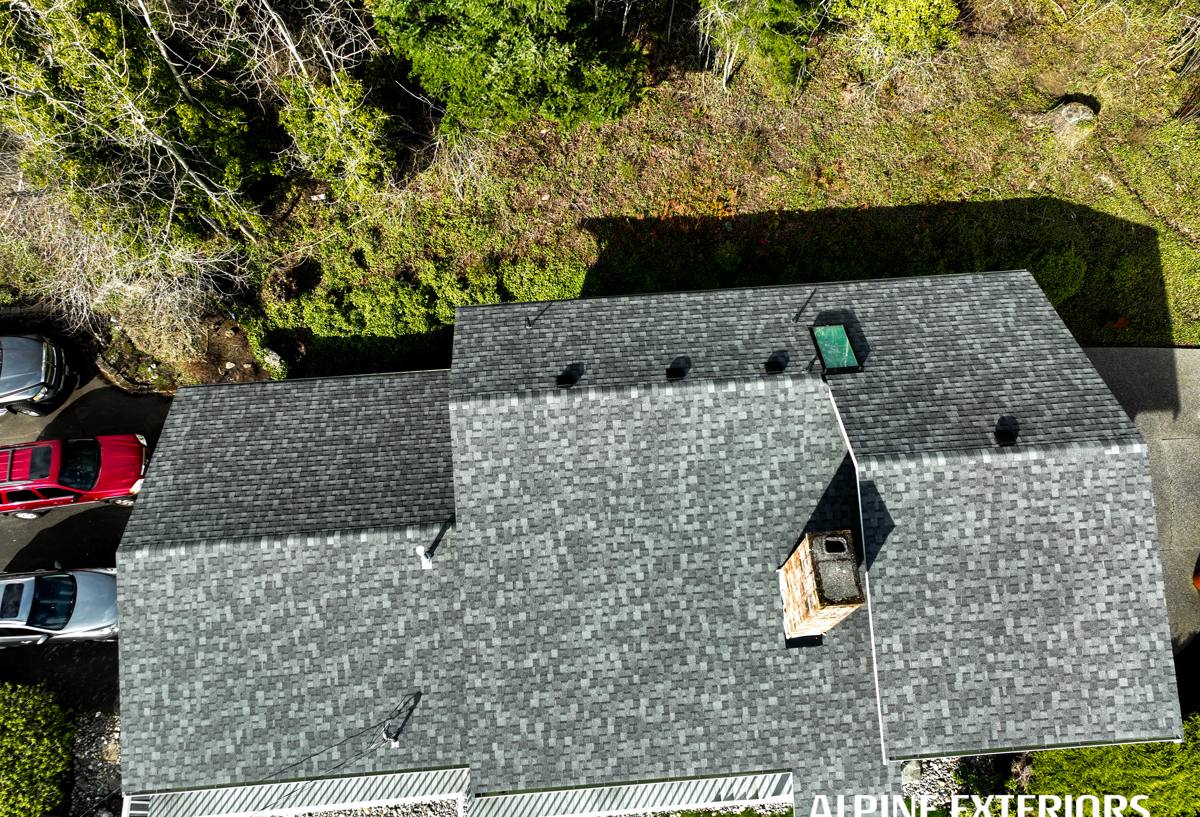
Why Local Roofs Take This Kind of Punishment
It's not just one storm that wears a roof down out here — it's the cumulative load of several stressors hitting the same shingles, flashing, and decking year-round.
Wind
Tropical systems and even ordinary summer squalls can generate gusts strong enough to lift shingle tabs, work fasteners loose, and peel back ridge caps. Once wind gets under an edge, it doesn't take a named hurricane to keep prying that section further open with every subsequent storm.
UV Exposure
Florida sun is relentless almost every day of the year. UV breaks down the asphalt oils in shingles and dries out sealant strips, making roofing material more brittle and more prone to cracking or granule loss right when a storm hits — which is exactly why storm damage here often shows up worse than it "should" for the wind speed involved.
Wind-Driven Rain
Rain that falls straight down mostly runs off a healthy roof. Rain driven sideways at 40-60 mph finds every lifted shingle edge, every gap in flashing, and every aging pipe boot, and pushes water uphill under the roofing system instead of over it.
Salt Air
Being close to the Gulf Coast means salt-laden air accelerates corrosion on exposed metal — nail heads, flashing, drip edge, and vent stacks all corrode faster here than they would well inland, which shortens the useful life of repairs that don't account for it.
What Actually Counts as Storm Damage
Homeowners often picture storm damage as a missing patch of shingles or a visible hole. In practice, most of the damage we find after wind and rain events in Town 'N Country is less dramatic and easier to miss.
- Creased or lifted shingle tabs where the seal strip has broken but the shingle is still in place
- Granule loss that exposes the asphalt mat underneath to UV and water
- Bent, lifted, or separated flashing around chimneys, walls, and roof-to-wall transitions
- Cracked or displaced pipe boots and vent covers
- Soft or discolored decking visible from the attic, indicating water has already gotten past the roofing layer
- Debris impact marks — bruising from tree limbs, gravel, or wind-borne objects — that compromise the shingle's waterproofing even without a visible hole
Any one of these can let water into the roof deck long before you ever see a stain on a ceiling.
Why Fast, Correct Repair Matters More Here Than Most Places
A small gap in a roofing system doesn't stay small in this climate. Humidity is high nearly year-round, so once water gets under shingles or into decking, it has ideal conditions to cause rot, mold, and insulation damage before it ever shows up as a visible leak indoors. Delaying repair after a storm usually means one of two things: a small patch job turns into a decking replacement, or a manageable insurance claim gets denied because too much time passed and the damage progressed past what the storm event itself caused.
Correct, prompt repair also matters for your next storm, not just the last one. A roof with hidden storm damage is a roof with weak points already established — the next high-wind event will find those weak points first.
Our Storm Damage Roof Repair Process
1. Full Roof Inspection, Not Just a Spot Check
We inspect the entire roof plane, flashing details, penetrations, and — when access allows — the attic side of the decking, not just the area a homeowner points to. Storm damage frequently shows up in more than one location, especially on roofs with multiple slopes or valleys.
2. Honest Documentation
We photograph and document what we find in plain terms: what's damaged, what caused it, and what it will take to fix correctly. This documentation is written to be useful whether you're filing an insurance claim or simply deciding how to move forward on your own.
3. A Written Scope, Not a Vague Estimate
You get a clear breakdown of what repair work is being proposed — materials, method, and reasoning — before anything happens on the roof.
4. The Repair Itself
We remove and replace only what's actually compromised, matching materials as closely as possible, resealing and re-fastening surrounding shingles that were disturbed, and rebuilding flashing details correctly rather than just caulking over a gap.
5. Final Walkthrough
We walk the completed repair with you, or provide clear photo documentation if you're not on-site, so you know exactly what was done and why.
Common Repair Types We Handle
| Damage Type | Typical Repair Approach | Main Cost Factor |
|---|---|---|
| Wind-lifted or creased shingles | Remove and replace affected shingles, reseal adjacent tabs | Number of shingles affected and roof pitch/access |
| Flashing failure at walls/chimneys | Remove and rebuild flashing detail, not just recaulk | Complexity of the transition and metal type used |
| Cracked or failed pipe boots | Full boot replacement, not patch-sealing | Number and accessibility of penetrations |
| Localized decking damage | Cut out and replace affected decking sections before re-roofing that area | Extent of rot/water intrusion found |
| Granule loss / UV-brittle shingles | Section replacement if matching material is available; broader repair if not | Age of existing roof and material availability |
Materials and Methods — Our Standard, Not the Cheapest Option
Every repair decision involves trade-offs, and we'd rather explain ours honestly than oversell a product.
Matching Existing Shingles
We try to match your existing shingle brand, color, and profile as closely as possible on a repair. Where the exact product is discontinued or unavailable, we'll tell you that upfront and discuss whether a close match is acceptable or whether the affected slope should be addressed more broadly for a uniform look.
Flashing Metal
We favor corrosion-resistant flashing metals over the cheapest stock option, specifically because of how fast salt air corrodes lesser metal near the Gulf Coast. It costs more upfront and saves a repeat repair down the road.
Sealants
Sealant is a supporting material, not a substitute for correctly formed flashing or properly lapped underlayment. We use quality sealant where it belongs — not as the primary fix for a flashing or shingle failure.
Insurance Claims: What Homeowners Should Know
We're not a public adjuster and we won't pretend to be one, but we do a lot of storm repair work that runs alongside insurance claims, and a few things consistently matter:
- Timing matters — the closer your documentation is to the actual storm event, the stronger your claim
- Photos of the damage before any tarping or temporary repair help establish cause
- A written scope of repair that separates "storm-caused" damage from pre-existing wear helps adjusters and homeowners alike avoid disputes
- Temporary protection (tarping exposed decking, securing loose material) is often necessary before a full repair can be scheduled, and should be documented as mitigation, not confused with the permanent fix
Why Hiring a Crew That Already Works in Town 'N Country Matters
Roofing systems here have to be built and repaired with this specific combination of wind, UV, salt air, and heavy seasonal rain in mind — not a generic national playbook. A crew that regularly works this part of Pinellas County knows what shingle brands actually hold up locally, what flashing details fail first on the roof styles common in this area, and how quickly a small gap becomes attic damage in this humidity. That local pattern recognition is the difference between a repair that quietly fails again next storm season and one that actually holds.
After a Storm: A Practical Checklist
- Do a visual check from the ground for missing, lifted, or displaced shingles — don't get on the roof yourself
- Check the attic (if accessible) for new water stains, damp insulation, or daylight showing through the decking
- Photograph any visible exterior damage as soon as it's safe to do so
- Address active leaks with temporary protection rather than waiting
- Get a professional inspection before deciding whether damage is cosmetic or structural — many of the worst issues aren't visible without one
- Keep any documentation together in one place if you plan to file an insurance claim
If a recent storm has you wondering what's actually going on up there, we're happy to take a look. Reach out for a free, no-pressure estimate using the form below, and we'll give you an honest read on what your roof needs.