 Oldsmar Siding
 Westchase Homes Face a Tougher Climate Than Most Siding Is Built For
The Westchase area sits in the thick of the Tampa Bay climate zone, just outside Oldsmar and within reach of Old Tampa Bay's salt air. Homes here deal with a combination of stresses that most siding products were never designed to handle all at once: sustained high humidity, intense year-round UV exposure, wind-driven rain during summer storms, and tropical-system winds that can arrive with little warning. Any one of these on its own is manageable. Together, over years, they're what separates siding that looks good for a decade from siding that holds up for thirty or more.
We install fiber cement siding on homes throughout the Oldsmar and Westchase area specifically because it was engineered for this kind of exposure. This page walks through what that actually means in practice — what the climate does to a home's exterior, what a correct fiber cement installation involves, and why the installer matters as much as the material itself.
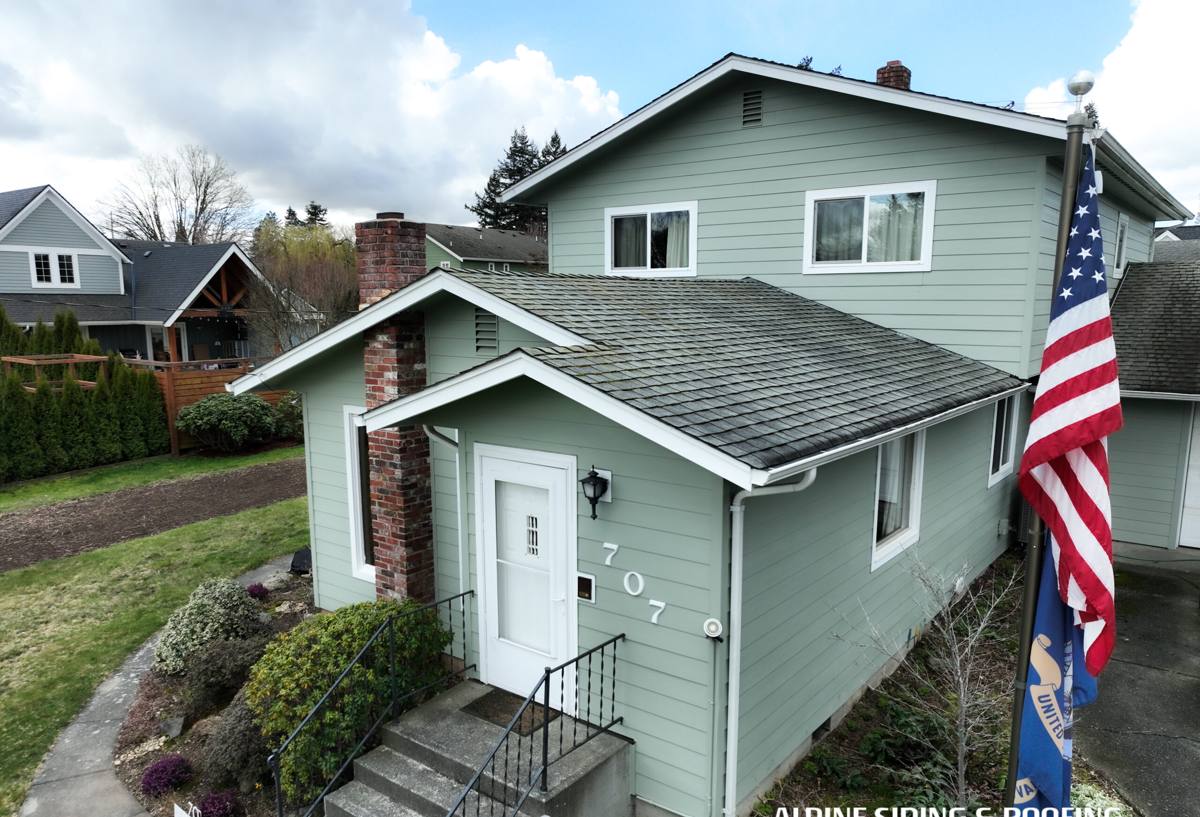
What This Climate Actually Does to Exterior Walls
Wind-driven rain and humidity
Pinellas and Hillsborough County homes don't just get rain — they get rain pushed sideways by wind, which finds every gap, seam, and poorly flashed penetration in a wall system. Combined with the region's near-constant humidity, any siding product that traps moisture behind it, or that swells and softens when repeatedly wetted, is fighting a losing battle. Moisture that gets behind siding and can't dry out leads to rot, mold, and eventually structural damage to the wall sheathing underneath — problems that are far more expensive to fix than the siding itself.
Year-round UV exposure
Florida sun is stronger and more consistent than in most of the country. Paint and coatings on lower-grade siding materials chalk, fade, and break down faster here than they would in a milder climate, which means more frequent repainting and a shorter effective lifespan for the finish.
Hurricane-force wind and storm debris
Every hurricane season, homes in this area are exposed to sustained winds and wind-driven debris that test how well siding is fastened, how it's rated to perform, and how it behaves at the edges and corners where wind pressure is highest. Siding that isn't rated or installed for these conditions is at real risk of blow-off, cracking, or seam failure during a significant storm.
Salt air
Being near Old Tampa Bay means homes in and around Westchase get periodic salt-laden air, which accelerates corrosion of fasteners and metal components and can degrade certain coatings faster than in inland areas. Material choice and fastener selection both matter more here than they would fifty miles inland.
Why We Install James Hardie Fiber Cement — and Nothing Else
We made a deliberate decision to install only James Hardie fiber cement siding on the homes we work on, including in the Westchase area. Fiber cement itself — a mix of cement, sand, and cellulose fibers — is inherently non-combustible, dimensionally stable, and resistant to the swelling, cracking, and insect damage that plague wood-based and some engineered wood siding products in humid climates. That's the starting point.
What separates James Hardie from other fiber cement options is the manufacturing consistency and the climate-specific engineering behind it. Hardie produces HZ5 siding, a formulation specifically engineered for hot, humid climates like ours, with enhanced resistance to moisture intrusion and cracking in high-humidity, high-UV regions. Their ColorPlus finish is a factory-applied, baked-on finish designed to resist fading and chipping far better than field-applied paint, which matters directly in a climate where UV breaks down coatings faster than average. Hardie also backs its products with a strong, transferable limited warranty — a real consideration for homeowners who may sell within the product's lifespan.
We don't install LP SmartSide, vinyl siding, Cemplank, Allura, or primed wood siding, and we're upfront about why. Each of those products has legitimate strengths, but each also comes with trade-offs — moisture sensitivity, installation tolerances, coating durability, or long-term maintenance burden — that we're not willing to build a Westchase-area installation around when a better-engineered option exists. Our position isn't that those products are bad; it's that we've chosen to specialize in one system we can install and back with confidence.
What a Correct Fiber Cement Installation Actually Involves
Fiber cement siding performs exactly as well as it's installed — and installation quality is where most siding failures actually originate, not in the material itself. A correct job on a Westchase-area home involves several details that are easy to skip and expensive to skip on:
- Proper weather-resistive barrier and correct overlap/taping at seams before any siding goes on
- Flashing installed at every window, door, and penetration to direct water away from the wall assembly
- Correct fastener type, spacing, and penetration depth — under-driven or over-driven nails are a common cause of premature failure
- Minimum clearance maintained between siding and grade, roofing, and decking to prevent wicking moisture
- Properly sized gaps at butt joints and trim to allow for expansion without caulking over movement joints incorrectly
- Caulking and sealant only at manufacturer-specified locations, using compatible sealants
- Factory-cut edges primed or sealed per manufacturer spec wherever field cuts expose raw material
Skipping any one of these doesn't necessarily cause a visible problem in year one. It shows up in year five or ten as a soft spot, a stain, a cracked panel at a corner, or a warranty claim that gets denied because the installation didn't meet manufacturer requirements. This is also why we don't treat siding installation as generic carpentry — it's a moisture-management system, and Hardie's own installation requirements are specific for a reason.
How Our Process Works, Start to Finish
- Free on-site estimate — we walk the exterior, assess the current siding and any underlying damage, and measure for an accurate quote.
- Product and color selection — we help you choose the right Hardie product line and ColorPlus color for your home and the neighborhood's look.
- Tear-off and inspection — old siding comes off and we inspect sheathing underneath for any rot or moisture damage before proceeding.
- Repair and prep — any damaged sheathing is repaired, and the weather barrier and flashing are installed correctly before siding goes up.
- Installation to manufacturer spec — siding, trim, and fastening are installed according to James Hardie's published requirements for our climate zone.
- Final walkthrough — we review the completed job with you before considering it finished.
We don't skip the tear-off and inspection step, even when it adds time to a project. Covering over existing moisture damage with new siding is one of the most common ways a siding job goes wrong, and it's not something we're willing to do.
What Drives Cost on a Westchase-Area Siding Project
Every home is different, so we don't quote pricing without seeing the house, but a few factors consistently drive cost up or down on projects in this area:
| Factor | Why It Matters |
|---|---|
| Condition of existing sheathing | Hidden rot or moisture damage found at tear-off requires repair before siding can go on correctly |
| Home size and complexity | More corners, gables, and trim detail mean more cutting, fitting, and labor time |
| Product line and profile | Hardie offers multiple plank widths, textures, and panel styles at different price points |
| Story height and access | Two-story sections and limited access areas require more scaffolding and time |
| Existing siding removal | Full tear-off of old siding adds labor compared to installing over a properly prepped surface, where applicable |
Why Hiring a Crew That Already Works This Area Matters
A contractor who regularly works in and around Westchase and Oldsmar already understands how the local climate behaves through a full year — how much wind-driven rain a west-facing wall takes, how quickly UV degrades an improperly finished edge, and what fastener corrosion looks like after a few salt-air seasons. That familiarity shows up in small decisions on the job site: where extra flashing attention is warranted, which details get inspected twice, and which shortcuts simply aren't worth the risk in this climate. It also means a contractor who's already navigated local permitting and inspection expectations, which keeps a project moving without avoidable delays.
Siding is a long-term investment in your home's exterior, and the value of hiring locally isn't sentimental — it's practical. A crew that's installed Hardie siding on other homes in this same climate has already seen what works and what doesn't, and applies that on every new job.
Maintaining Your Siding After Installation
Correctly installed James Hardie siding is low-maintenance, not no-maintenance. A periodic rinse to remove salt residue and airborne debris, prompt attention to any caulking that cracks or separates, and a visual check after major storms for impact damage will keep the system performing as designed. Because ColorPlus finish is factory-applied, most homeowners in this area won't need to repaint for many years — a real advantage over field-painted siding that needs refreshing far more often in this sun.
If you're weighing a siding replacement or repair on a home in the Westchase area, we're happy to take a look and give you a straightforward, no-pressure assessment of what your home actually needs. Use the form below to request a free estimate.