 Oldsmar Siding
 Building New in the Tampa Bay Area Means Building for What the Weather Actually Does
If you're framing a new home in or around Westchase, the windows you choose and how they're installed matter more than almost any other single decision in the building envelope. This part of the Tampa Bay region sits in a wind-borne debris zone, takes direct tropical system exposure most years, and sees enough UV and wind-driven rain over a 12-month cycle to expose any shortcut within a few seasons. New construction gives you one real chance to get this right before drywall, trim, and siding close everything in. Get the window opening wrong at this stage — bad flashing, the wrong pressure rating, a rushed sill pan — and you're not looking at a minor punch-list item later. You're looking at a wall assembly that leaks, rots, or fails inspection.
We install new-construction windows on homes throughout the Oldsmar area and nearby Tampa Bay communities, including builds in and around Westchase. This page covers what that job actually involves, what the region's climate demands from the work, and how our process is built around doing it once, correctly.
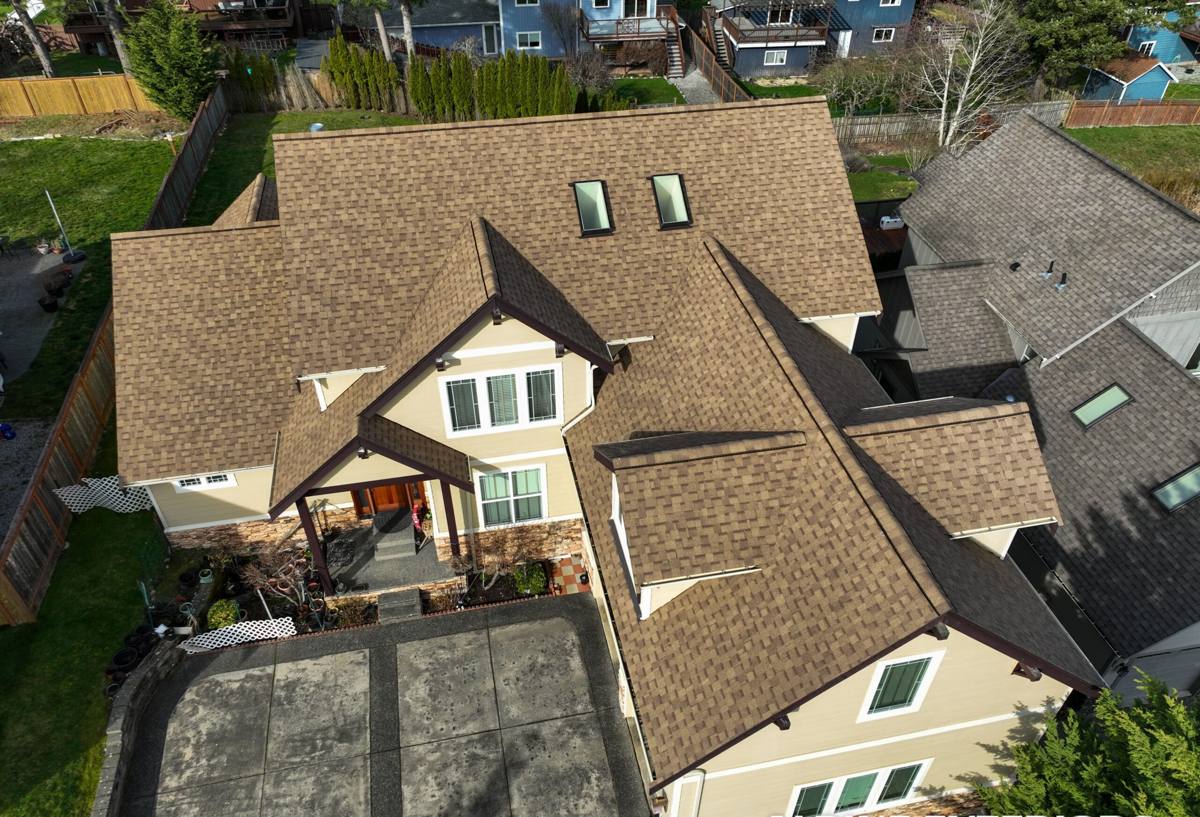
New Construction vs. Replacement: Why the Job Is Different
New-construction windows aren't just "windows installed in a new house." The term refers to a specific window and installation method — units built with a nailing flange (fin) that gets fastened directly to the framed wall sheathing before house wrap, flashing tape, and exterior finish go on. Replacement windows, by contrast, are typically pocket units installed into an existing finished opening without disturbing the exterior wall.
That distinction matters because a new-construction install gives us access to the full rough opening — the sheathing, the framing, the sill — before anything is covered up. Done correctly, that means every water-management layer is built in the right order, sealed, and inspected before it's hidden forever behind stucco or siding. That's the advantage of doing it at the construction stage instead of retrofitting it later, and it's why the sequence and materials matter as much as the window itself.
What Correct Sequencing Looks Like
- Rough opening framed square, plumb, and to the exact dimensions the window manufacturer specifies
- Sill pan flashing installed first, sloped to drain water back outside the wall — not just a bead of caulk
- Window set, leveled, shimmed, and fastened through the nailing fin per the manufacturer's approved fastening schedule
- Flashing tape applied over the fin in the correct shingle-lap order (sides first, then head) so water sheds down and out, never into the wall cavity
- Structural gap sealed with a compatible, non-expanding low-pressure foam — not a standard can foam that can bow the frame
- Interior and exterior sealant joints tooled and inspected before trim and finish cover the opening
What Tampa Bay Weather Asks of a New-Construction Window
Homes in this part of Pinellas and the surrounding Hillsborough County corridor deal with a specific combination of stresses, and a new build should be specified to handle all of them from day one, not patched later.
Wind Load and Windborne Debris
This area sits in a wind-borne debris region under the Florida Building Code, which means new construction windows generally need to meet impact or protection requirements, along with a design pressure rating appropriate to the home's exposure and height. The correct rating depends on the specific lot, structure height, and roof geometry — it's an engineering question, not a guess, and it should be pulled from the approved plans, not assumed.
Wind-Driven Rain
Straight-down rain is rarely the problem here. Rain driven sideways under wind pressure is what finds every gap in a poorly flashed opening. That's why sill pan flashing and correctly lapped flashing tape aren't optional extras — they're the difference between a window that sheds water and one that slowly feeds it into the wall.
Year-Round UV
Constant sun exposure degrades frame materials, seals, and low-E glass coatings unevenly depending on orientation. South- and west-facing openings age faster than north-facing ones on the same house, and that should factor into which frame material and glass package you choose, especially for larger openings.
Salt Air
Proximity to the Gulf and Tampa Bay means airborne salt is a slow, ongoing corrosive load on hardware, fasteners, and untreated metal components — even well inland from the immediate coastline. Corrosion-resistant fasteners and hardware aren't overkill in this region; they're standard practice.
Florida Building Code Basics for New Construction Openings
| Factor | Why It Matters Here |
|---|---|
| Wind-borne debris region | Determines whether windows must be impact-rated or paired with approved protection |
| Design pressure (DP) rating | Set by the structural engineer/architect based on lot exposure, wall height, and roof design |
| Florida product approval | Every window installed must carry current Florida Product Approval or Miami-Dade NOA documentation matching its rated use |
| Flashing and water management | Code-required sequencing for sill pans and flashing tape at the rough opening |
| Fastening schedule | Manufacturer-specified fastener type, spacing, and embedment — inspected before cover-up |
Permitting and inspection on new builds in this area typically involve a rough-in inspection before the opening is covered, so any shortcuts get caught — or missed — at that stage. A crew that treats that inspection as a formality rather than a checkpoint is doing your house a disservice.
Choosing a Frame and Glass Package for a New Build
Builder-grade window packages are usually the minimum spec that satisfies code, not necessarily the best long-term fit for this climate. On a new build you have the freedom to spec up before the walls close — worth doing on openings that take the most sun or the most wind exposure.
| Option | Strengths | Trade-offs to Weigh |
|---|---|---|
| Vinyl impact frame | Good insulating value, low maintenance, competitive cost | Larger frames can flex on very big openings; darker colors absorb more heat |
| Aluminum impact frame | Narrow sightlines, strong for large openings, holds up structurally | Conducts heat/cold more than vinyl; needs quality thermal breaks |
| Standard (non-impact) glass with shutters/panels | Lower upfront window cost | Requires a separate protection system installed and deployed before every storm |
| Laminated impact glass | Permanent protection, no pre-storm prep, sound and UV reduction | Higher upfront cost than standard glass |
We won't push a frame or glass package that doesn't match the opening's exposure and the home's engineering — a cheaper unit on a west-facing wall that takes full afternoon sun and direct wind load is a trade-off you'll notice in a few years, not a cost saving.
How We Handle a New-Construction Window Package
1. Plan Review
We review the architectural and structural plans before ordering anything, confirming rough opening sizes, required design pressures, and any HOA or architectural review requirements that apply to the build.
2. Product Selection and Ordering
We spec frame material, glass package, and hardware per opening — not a single blanket spec for the whole house — and confirm Florida Product Approval documentation for every unit before it's ordered.
3. Installation
Sill pans, flashing, fastening, and sealant are installed in the sequence outlined above, by installers who do this work daily rather than occasionally.
4. Inspection-Ready Documentation
We leave openings ready for the builder's or county's rough-in inspection, with fastening and flashing visible and correct before cover-up begins.
5. Final Walkthrough
Once trim and finish are complete, we walk every opening — operation, seals, hardware — before calling the job done.
A Practical Checklist Before Your Windows Go In
- Confirm the design pressure rating specified on your plans matches what's actually being ordered
- Ask to see Florida Product Approval or Miami-Dade NOA paperwork for the specific units, not just the product line
- Verify sill pan flashing is part of the written install scope, not left to installer discretion
- Check that fastener and hardware specs account for salt air exposure, not just generic building-grade materials
- Confirm who is responsible for scheduling the rough-in inspection and who will be on site for it
- Get frame color and glass tint decisions finalized before ordering — changes after fabrication get expensive fast
Why a Crew That Already Works This Area Is Worth Having
Westchase and the surrounding Oldsmar-area communities aren't all governed the same way. Some have active HOA architectural review with specific frame color or grid-pattern requirements; permitting timelines and inspector expectations vary by jurisdiction even within the same county. A crew that's already coordinated new-construction window packages with builders in this area knows which documentation gets requested at rough-in, how local inspectors want fastening and flashing presented, and where HOA approval needs to happen before product gets ordered — not after. That familiarity doesn't show up as a line item, but it's the difference between a smooth rough-in inspection and a costly delay while paperwork gets sorted out mid-build.
Get a Straight Answer on Your New-Construction Window Package
If you're building in the Westchase area and want a window package specified correctly for this climate and this code cycle — not just the builder-minimum spec — we're happy to walk your plans with you. Reach out for a free, no-pressure estimate using the form below.