 Oldsmar Siding
 Roof Replacement for Homes Near Westchase
Homes in and around Westchase sit in one of the more demanding roofing climates in the country. This part of the Tampa Bay region deals with hurricane-force wind gusts, months of intense subtropical sun, wind-driven rain that finds every weak seam, and salt-laden air drifting in off the Gulf. None of that is unique to any one street or subdivision, but it is a very different set of stresses than a roof in, say, Ohio or Colorado ever has to handle. A roof replacement here isn't just about swapping old shingles for new ones — it's about rebuilding the whole roof system so it can actually hold up to what this climate throws at it, year after year.
Oldsmar Siding Company works this stretch of the Tampa Bay area regularly, and Westchase homes are a common part of our schedule. That familiarity matters more than it sounds like it should — it means fewer surprises, faster permitting, and a crew that already understands what typical construction in this area looks like under the surface.
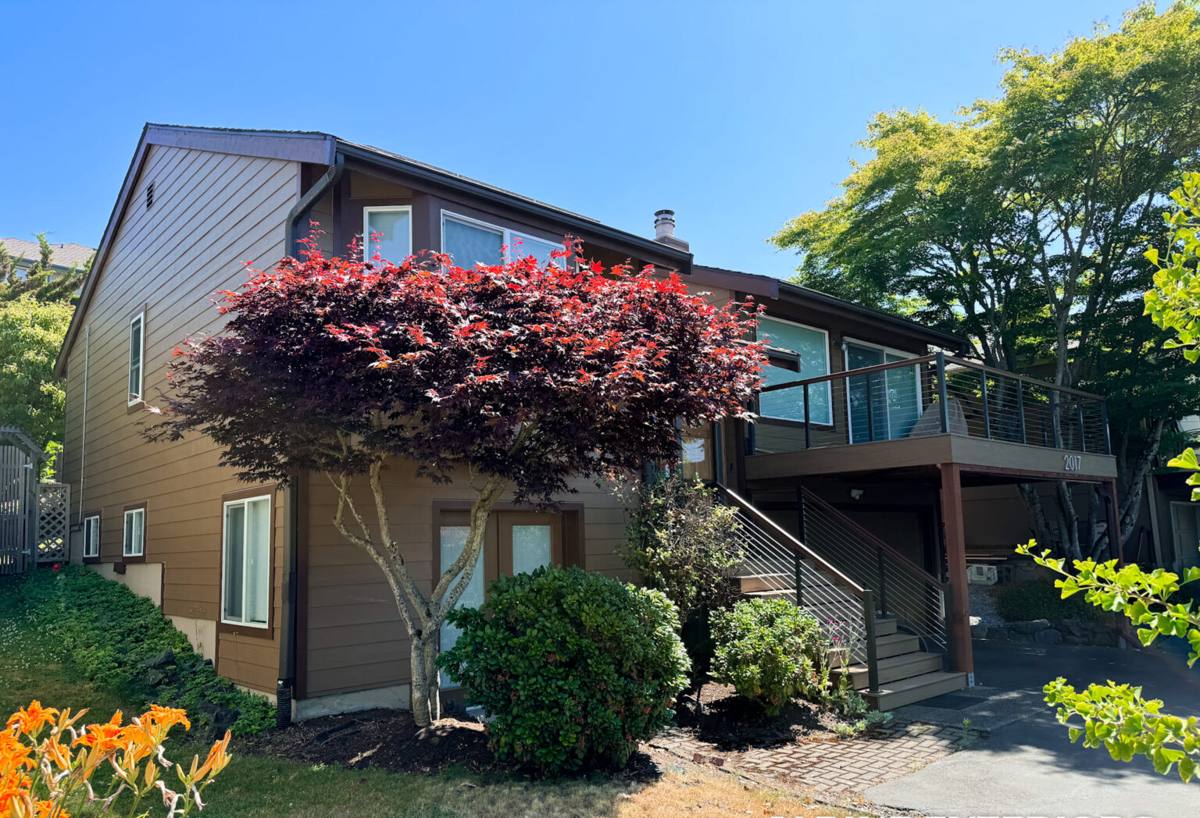
What This Climate Actually Does to a Roof
It helps to understand the specific mechanisms at work, because they determine what "correct" replacement work actually looks like.
Wind
Tampa Bay sits in a hurricane-exposed corridor. Even in a season without a direct hit, straight-line wind events and tropical storm bands generate uplift forces that test every fastener, every shingle tab, and every flashing point on a roof. Roofs that were installed to minimum standard — or installed poorly to begin with — tend to show it first at the edges, ridges, and any place two roof planes meet.
UV exposure
Central Florida gets a huge number of high-UV-index days per year. Asphalt shingle mats, sealant strips, and rubber roofing components all degrade faster under sustained UV than they would in a milder climate. This is a major reason roofs here often need replacement well before the material's rated lifespan would suggest.
Wind-driven rain
It's not just how much rain falls — it's the angle it falls at. Wind-driven rain gets pushed sideways and upward under shingle tabs, around vent boots, and behind flashing that would stay dry in a calmer climate. This is why underlayment quality and flashing detail work matter as much as the shingle itself.
Salt air
Being close enough to the Gulf and Tampa Bay to catch salt-laden air means faster corrosion of exposed metal — nail heads, drip edge, vent stacks, and fasteners. Cheaper or improperly coated metal components corrode and fail years before the roof around them would otherwise need attention.
Signs a Westchase Roof Needs Replacement, Not Just Repair
Not every roof problem calls for a full replacement, and we'll always tell you honestly if a repair is the more sensible move. But there's a point where patching stops making financial sense. Watch for:
- Granule loss heavy enough that you're finding sand-like buildup in gutters or downspouts
- Shingles that are curling, cupping, or cracking across large sections of the roof, not just one spot
- Multiple past repairs in different areas — a pattern that usually means the underlying material is simply worn out
- Soft spots or sagging when walked, which can indicate decking damage underneath
- Daylight visible through the roof deck from the attic, or water stains on interior ceilings
- A roof approaching or past 18-20 years old (asphalt) with no major upgrades to underlayment or ventilation
- Difficulty getting insurance to renew or rate favorably due to roof age or condition
What a Correct Roof Replacement Involves
A roof replacement done right is a full system rebuild, not a cosmetic swap. Skipping steps is the single biggest reason roofs underperform in this climate.
Full tear-off
We remove existing roofing material down to the deck. Layering new shingles over old is sometimes allowed by code, but it traps heat, hides deck problems, and voids most manufacturer warranties. It's not something we do.
Deck inspection and repair
Once the deck is exposed, we check for rot, delamination, or soft plywood — usually most common around old vent penetrations, valleys, and eaves where past leaks went unnoticed. Any bad decking gets replaced before anything new goes down.
Underlayment
This is the roof's real waterproofing layer, and in a wind-driven-rain climate it's not the place to cut cost. Synthetic and self-adhering underlayments perform significantly better here than older felt products, particularly at eaves, valleys, and around penetrations.
Flashing and edge metal
New drip edge, step flashing, and counterflashing at every wall intersection, chimney, and skylight. This is one of the most common places we find corner-cutting on past installs — and one of the first places wind-driven rain gets in.
Ventilation
Proper intake and exhaust ventilation keeps attic temperatures and moisture in check, which extends shingle life and helps prevent deck rot. Many older homes in this area are under-ventilated for how much sun they actually take.
Fastening and wind rating
Florida Building Code sets minimum fastening patterns and wind-uplift requirements based on your specific wind zone. We install to meet or exceed those requirements, not just the bare minimum needed to pass inspection.
Our Roof Replacement Process
- Inspection and estimate — We assess the current roof, attic ventilation, and any visible deck issues, and give you a clear, itemized estimate.
- Material selection — We walk through options that fit your budget, your home's style, and this climate's demands.
- Permitting — We pull the required local permit before work starts. This is not optional and it protects you.
- Tear-off and deck check — Old material comes off, deck gets inspected and repaired as needed.
- System install — Underlayment, flashing, ventilation components, and final roofing material go on in that order, to spec.
- Final inspection and cleanup — We do our own quality check, coordinate any required municipal inspection, and do a full magnetic sweep of the property for stray nails and debris.
Comparing Common Roofing Materials for This Climate
| Material | Typical Lifespan Here | Wind/UV Performance | Maintenance |
|---|---|---|---|
| Architectural asphalt shingle | 18-25 years | Good, when installed with proper fastening and high wind-rated products | Low; periodic inspection after storms |
| 3-tab asphalt shingle | 12-18 years | Lower wind resistance than architectural shingles | Low, but shorter service life offsets lower material cost |
| Standing seam metal | 40+ years | Excellent wind uplift resistance; needs coastal-rated fasteners and coatings for salt exposure | Very low |
| Tile (concrete or clay) | 30-50 years | Strong wind and UV performance; underlayment failure is the more common issue, not the tile itself | Low, but underlayment needs eventual attention |
We don't push one material as universally "best." Each has real trade-offs in upfront cost, weight (which affects structural requirements), installation sensitivity, and long-term maintenance. We'll walk through what actually fits your home and budget rather than steering you toward whatever is easiest for us to install.
Cost Factors to Understand Before You Get Quotes
| Factor | Why It Moves the Price |
|---|---|
| Roof size and pitch | Steeper roofs take longer and require more safety setup, adding labor cost |
| Number of layers to remove | Tear-off of multiple existing layers adds labor and disposal cost |
| Deck condition | Rotted plywood found during tear-off adds material and labor not visible in an initial estimate |
| Material choice | Metal and tile cost more upfront than asphalt but last significantly longer |
| Roof complexity | Valleys, skylights, chimneys, and multiple planes all add flashing work |
| Ventilation upgrades | Adding or correcting attic ventilation is often worth doing during a full replacement |
Any honest estimate should account for the possibility of hidden deck damage. We'd rather flag that risk upfront than surprise you with it mid-project.
Permits, Codes, and Why They're Not Just Paperwork
Roof replacements in this area require a building permit and inspection under the Florida Building Code, which sets wind-uplift and fastening standards specific to your wind zone. This isn't bureaucratic overhead — it's the mechanism that keeps a new roof from becoming a liability in the next tropical storm. A contractor who skips permitting or cuts corners on inspection isn't saving you money; they're shifting risk onto you, and it can also complicate insurance claims down the road if something goes wrong.
Why It Matters That We Already Work in This Area
Neighborhoods around Oldsmar and the greater Tampa Bay area, including Westchase, often have similar construction eras, roof pitches, and HOA or deed-restriction considerations on visible exterior materials. A crew that already works this area regularly has a practical sense of what tends to be under the surface of homes built in a given period, what local permitting offices expect, and how to schedule around this region's storm season rather than getting caught off guard by it. That familiarity translates into fewer delays and fewer surprises for you.
If your roof is showing its age or you just want an honest opinion on repair versus replacement, we're glad to take a look. Reach out for a free, no-pressure estimate using the form below.