 Oldsmar Siding
 Asphalt Shingle Roofing for Town 'N Country Homes
Town 'N Country sits close enough to the water that every roof here deals with the same short list of stressors: hurricane-force wind gusts during storm season, near-constant UV exposure the other nine months, wind-driven rain that finds any gap in the flashing, and salt-laden air that speeds up corrosion on anything metal. Asphalt shingle roofing is still the most practical, cost-effective option for most homes in this part of Pinellas County, but only when it's specified and installed with those conditions in mind. A shingle roof built the same way you'd build one in a landlocked, mild-climate state will not hold up out here — not because asphalt shingles are a bad product, but because the installation details that matter in Tampa Bay's climate are easy to skip and hard to see once the roof is finished.
This page covers what we actually look at, install, and check when we're putting a shingle roof on a home in this area, and why local, hands-on experience with this specific climate matters more than a shingle brand name.
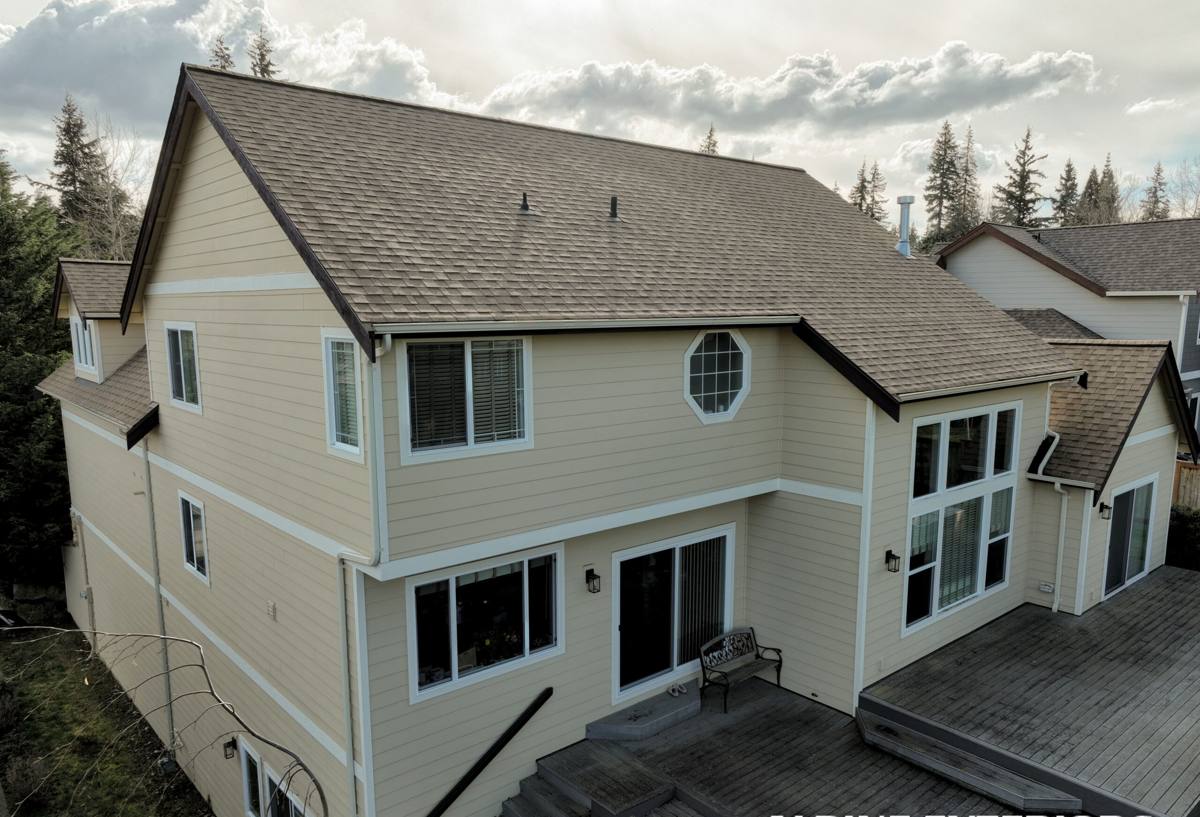
What Local Homes Actually Need From a Shingle Roof
Wind resistance that matches the real exposure
Every asphalt shingle sold today carries a wind rating, but that rating only holds up if the shingle is installed to the manufacturer's high-wind nailing pattern and the roof deck underneath it is sound. We nail — never staple — every shingle, use the correct nail count and placement for the wind zone, and check that the sealant strip on each shingle is set up to bond properly in the sun and heat we get most of the year. A shingle that isn't sealed down tight is the first thing to lift in a summer squall.
A real second line of defense
Shingles shed water; they aren't what actually keeps your attic dry when wind drives rain sideways under the shingle edges. That job falls to the underlayment and the flashing. In this climate we treat those as equally important to the shingles themselves — synthetic or self-adhering underlayment at the eaves, valleys, and any low-slope transitions, and new metal flashing at every wall, chimney, and roof-to-roof intersection rather than reusing old flashing that's already corroding from salt exposure.
Attic ventilation that doesn't fight the roof
Florida attics run hot, and poor ventilation cooks shingles from underneath, shortening their life regardless of what's rated on the wrapper. A correct install balances intake at the soffits with exhaust at the ridge or through properly placed vents, so heat and moisture actually move out instead of baking the underside of the roof deck.
Signs a Town 'N Country Roof Needs a Closer Look
Most shingle roof failures out here don't start as leaks — they start as small, visible warning signs weeks or months before water gets inside. Worth checking after any named storm or heavy wind event:
- Shingles that look cupped, curled at the corners, or noticeably lighter/darker than the surrounding field
- Granules collecting in gutters or at the base of downspouts
- Any shingle that looks lifted, cracked, or missing, even a single one
- Rust streaks or gaps at flashing around chimneys, vents, or where a lower roof meets a wall
- Soft spots, sagging, or a spongy feel when walked (call a professional rather than testing this yourself)
- Daylight visible through the attic decking, or damp insulation after rain
- Algae streaking (dark, greenish-black stains) — mostly cosmetic, but worth monitoring since it signals moisture retention
Catching these early is almost always cheaper than waiting for an interior leak, since wind and rain intrusion tends to spread damage under the surface before it ever shows up on a ceiling.
Choosing a Shingle for This Climate
Not every asphalt shingle product is built the same way, and the differences matter more here than in calmer climates. We steer homeowners based on how the product performs in wind, heat, and salt air — not on price alone.
| Shingle Type | Typical Wind Rating | Best Fit For |
|---|---|---|
| 3-tab (standard) | Lower end of rated range | Budget-conscious re-roofs on homes with lower wind exposure; least durable option long-term |
| Architectural / laminated | Higher rated range, varies by line | Most homes in this area — better wind performance, thicker profile, longer expected service life |
| Impact-rated (Class 4) | High wind rating plus impact resistance | Homes prioritizing storm resilience; may qualify for insurance discounts |
We generally recommend architectural shingles for this area — they're heavier, have a stronger wind rating in practice, and hold their appearance longer under constant UV. Impact-rated shingles cost more up front but can pay some of that back through insurance wind-mitigation credits, which is worth discussing with your insurance agent before you decide.
Our Installation Process
- On-site inspection and honest assessment — we look at the existing roof, decking condition, ventilation, and any problem areas before recommending a repair or full replacement.
- Written estimate and shingle selection — clear pricing, product options, and what's included, no pressure to decide on the spot.
- Tear-off and deck inspection — old roofing removed down to the deck so we can actually see and replace any rotten or weakened plywood before covering it back up.
- Underlayment and flashing installation — the layer that does the real waterproofing work, installed before a single shingle goes down.
- Shingle installation to high-wind specifications — correct nailing pattern, exposure, and starter courses at eaves, rakes, and ridges.
- Ventilation check and final walkthrough — confirming intake and exhaust are balanced and reviewing the finished roof with the homeowner.
- Cleanup — magnetic sweep for nails and full site cleanup before we consider the job done.
Why a Crew That Already Works in This Area Matters
Roofing code requirements, permitting, and wind-load expectations aren't identical everywhere in Florida — Pinellas County's coastal exposure means inspectors and building codes are paying attention to details a crew from a calmer inland market might not prioritize. A contractor who regularly works in and around Oldsmar and Town 'N Country already knows the permitting process locally, has a track record of passing inspection the first time, and has seen firsthand which installation shortcuts fail first when a summer storm rolls through off the Gulf. That's not a marketing point — it's the difference between a roof that's technically finished and one that's actually built for where it sits.
What Affects the Cost of a Shingle Roof Here
| Factor | Why It Matters |
|---|---|
| Roof size and pitch | More surface area and steeper slopes mean more material and labor time |
| Number of layers to remove | Full tear-off of old roofing adds labor versus a single existing layer |
| Deck condition | Rotted or damaged plywood found during tear-off needs replacement before shingles go down |
| Shingle tier | 3-tab, architectural, and impact-rated products carry different material costs |
| Roof complexity | Valleys, dormers, skylights, and chimneys all add flashing work and labor time |
| Ventilation upgrades | Adding or correcting soffit/ridge ventilation during the same project |
Because every one of these varies by house, we don't quote sight-unseen prices — an accurate number requires an actual look at your roof. What we can say honestly: architectural shingles and proper tear-off/deck repair cost more up front than the cheapest possible re-roof, but they're the difference between a roof that needs attention again in a few years and one that goes the distance.
Maintenance That Extends Roof Life Here
Asphalt shingle roofs in this climate benefit from a bit of regular attention rather than being ignored until something goes wrong:
- Keep gutters and downspouts clear so water doesn't back up under the shingle edges
- Trim back overhanging tree limbs that scrape shingles or drop debris onto the roof
- Have the roof visually checked after any major named storm, even if nothing looks obviously wrong
- Watch for granule buildup in gutters as an early sign of wear
- Address small flashing or sealant issues promptly rather than waiting for a leak to appear inside
None of this replaces a professional inspection, but it catches the obvious issues early and helps a well-installed roof reach its full expected lifespan despite the sun, salt, and storms this area sees every year.
Get a Straight Answer About Your Roof
If you're in Town 'N Country or elsewhere around Oldsmar and want an honest look at whether your roof needs repair, replacement, or just monitoring, we're happy to come take a look. The estimate is free, there's no pressure, and you'll get a clear explanation of what we see and why — use the form below to get started.