 Oldsmar Siding
 Windows Built for What Carrollwood Weather Actually Does
Carrollwood homes take a beating that most window manufacturers never test for in their showroom brochures. Between hurricane-force wind events, sun exposure that runs nearly year-round, wind-driven rain that finds every gap in a bad install, and the salt-laden air that drifts in off Tampa Bay, a window here is doing a harder job than the same product would do almost anywhere else in the country. When we talk about "custom windows" for this area, we don't just mean a size or a color option — we mean matching the window assembly, the frame material, the glass package, and the installation method to conditions that will test all of it within the first year.
A window that looks fine in the store can still fail here if it's the wrong spec for the exposure, or if it's installed without the flashing and sealing details that Florida's climate demands. That's the gap we focus on closing.
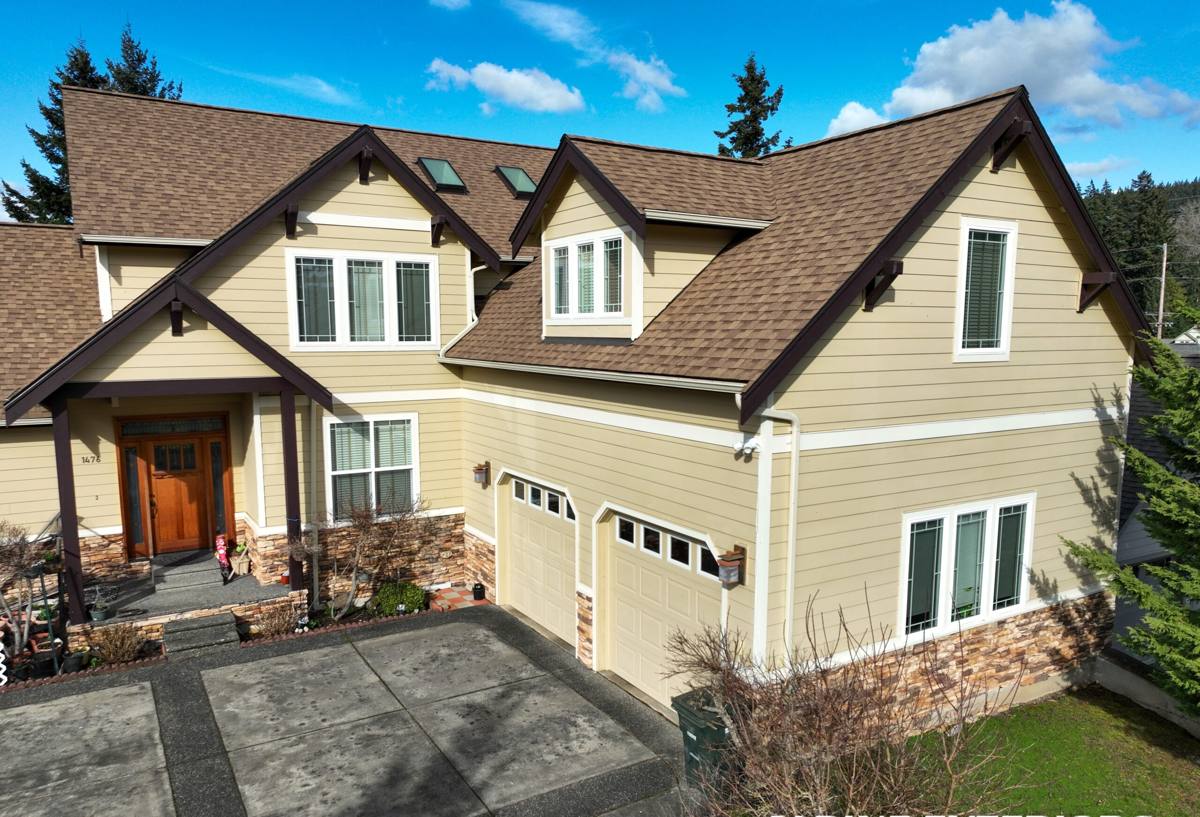
What Local Homes Are Up Against
Wind and Storm Pressure
Pinellas and Hillsborough County both sit in wind-borne debris regions under the Florida Building Code, which means window products used here have to carry documented wind load and impact ratings, not just "look sturdy." During a named storm, wind doesn't just push on glass — it pressurizes the whole building envelope, and a window that isn't properly anchored or flashed can become the failure point that lets water into wall cavities long before the glass itself gives out.
UV and Heat
Florida sun is hard on window components year-round, not just in summer. UV breaks down vinyl and gasket materials over time, and heat gain through the wrong glass package drives up cooling costs and can leave rooms uncomfortable even when the AC is working fine. Low-E coatings and the right glass tint matter more here than in most climates.
Wind-Driven Rain
A window doesn't have to fail structurally to cause damage — it just has to leak. Wind-driven rain gets pushed sideways and upward during storms, and a window that was only sealed for gravity-fed rain will let water track in around the frame, into the wall, and eventually into insulation and drywall where it's expensive to find and fix.
Salt Air
Even away from the immediate coastline, the greater Tampa Bay area carries enough salt in the air to accelerate corrosion on hardware, fasteners, and metal components over the years. Cheaper hardware finishes and unprotected fasteners tend to show it first — stiff locks, streaking, and pitting well before the glass or frame itself is due for replacement.
Frame Material: What Actually Holds Up Here
There's no single "best" frame material for every house — it depends on the home's age, exposure, and what you're trying to solve. Here's how the common options actually perform in this climate, without the marketing spin.
| Frame Material | Heat/UV Behavior | Maintenance | Typical Fit |
|---|---|---|---|
| Vinyl | Good UV-stabilized options hold up well; cheap vinyl can warp or yellow | Low — no painting needed | Most Carrollwood homes, especially newer construction |
| Aluminum | Handles heat well but conducts it, raising cooling load | Low, but hardware can corrode faster in salt air without proper coating | Older homes with existing aluminum openings, some commercial-style applications |
| Fiberglass | Excellent UV and thermal stability, very low expansion/contraction | Low | Homes wanting the longest service life, higher budget |
| Wood/Wood-clad | Poor without cladding — humidity and UV are hard on exposed wood | High if uncladded; moderate if clad | Historic-style homes prioritizing a specific look |
We don't install every option on this list for every home. If a homeowner asks for something we don't think will hold up on their specific exposure — say, uncladded wood on a west-facing wall that gets full afternoon sun — we'll say so and explain the trade-off rather than just taking the order. It's a maintenance and moisture-behavior call, not a knock on the product itself.
What a Correct Custom Window Job Involves
"Custom" means the window is built or configured to the actual opening and actual load requirements of your house — not a stock size force-fit into a rough opening. A correct job includes:
- Accurate field measurement of each opening, accounting for out-of-square conditions common in older Carrollwood homes
- Wind load and impact rating matched to the home's exposure category and county code requirements
- Proper flashing integration with the existing wall assembly — not just caulk around the frame
- Continuous, correctly sequenced sealant joints designed to shed wind-driven rain, not just block a straight-down drizzle
- Low-E glass package selected for orientation — west and south-facing openings often need a different spec than north-facing ones
- Corrosion-resistant hardware and fasteners appropriate for a salt-air environment
- Shimming and anchoring that meets the manufacturer's tested installation instructions, which is what keeps the wind rating valid
- Interior and exterior trim finished to match the home, not left as a visible retrofit patch
Skip any one of these and you can end up with a window that's rated correctly on paper but still leaks, still lets in more heat than it should, or still fails at a lower wind speed than advertised because the installation — not the product — was the weak point.
Our Process for Carrollwood Homes
1. On-Site Assessment
We look at each opening individually, not just the house as a whole. Sun exposure, existing water damage, framing condition, and how the current windows have held up all factor into what we recommend.
2. Product and Glass Selection
We walk through frame material, glass package, and impact protection options based on your budget and what that specific wall of the house actually faces. If impact-rated glass isn't in the budget, we'll talk through code-compliant protective covering options as an alternative.
3. Permitting
Window replacement in this area typically requires a permit, and the inspector will be checking for correct anchoring and flashing, not just that a window is present. We handle the permit process as part of the job.
4. Removal and Installation
Old units come out carefully to protect the surrounding wall finish. New units go in plumb, level, and square, anchored per the manufacturer's tested instructions, and flashed and sealed in the sequence that actually keeps water out.
5. Inspection and Walkthrough
Once the work passes inspection, we walk the job with you — operation, locks, and finish — before we call it done.
Why a Crew That Already Works in This Area Matters
Window installation quality depends a lot on local knowledge that doesn't show up in a product catalog. A crew that regularly works Carrollwood and the surrounding Tampa Bay communities already knows the permitting office's expectations, has a feel for how older homes in this area tend to have settled or slightly out-of-square openings, and understands which products actually hold up against the specific mix of heat, humidity, and salt air here versus a drier or cooler climate. That familiarity shows up in fewer surprises during the job and fewer callbacks after it — not because of a special technique, but because the details that matter here are already second nature.
Some Carrollwood neighborhoods also have architectural review requirements through their HOA covering window style, color, and grid pattern. We can work with those requirements as part of the planning stage so the permit and the HOA approval aren't fighting each other.
Cost Factors Homeowners Should Understand
Every quote should reflect the actual scope of your home, but the main variables that move the price are consistent from house to house:
| Factor | Why It Matters |
|---|---|
| Impact-rated vs. non-impact glass | Impact glass costs more upfront but can reduce or eliminate the need for separate storm protection |
| Frame material | Vinyl is typically the most budget-friendly; fiberglass and clad-wood cost more but last longer with less upkeep |
| Number and size of openings | Larger openings and specialty shapes require custom sizing and cost more per unit |
| Condition of existing openings | Rot, settling, or out-of-square framing adds labor to bring the opening to a correct installation base |
| Permit and inspection requirements | Included in most quotes but varies by scope and jurisdiction |
Questions Worth Asking Any Window Contractor
- Are the windows rated for our wind zone and documented with a current NOA or Florida Product Approval number?
- Will the installation be permitted and inspected, not just installed and left?
- What flashing and sealing method will be used, specifically — not just "we'll caulk it"?
- What's the warranty structure, and does it cover installation labor, not just the product itself?
- Has this crew worked in Carrollwood or nearby neighborhoods with similar home ages and HOA requirements before?
A contractor who can answer these clearly and specifically, without hedging, is generally one who does this work correctly and often.
Signs Your Current Windows Are Already Past Due
You don't need to wait for a storm to find out a window has a problem. Common signs in this area include fogging or moisture between double-pane glass, stiff or corroded locks and hardware, visible daylight or air movement around the frame, noticeably higher cooling bills than similar-sized rooms elsewhere in the house, and staining or soft drywall near the interior sill after heavy rain. Any one of these is worth a look before it turns into a bigger repair.
If you're weighing custom window options for a home in Carrollwood, we're happy to walk the property with you and put together a straightforward, no-pressure estimate — just fill out the form below to get started.