 Oldsmar Siding
 Roof Repair in Forest Lakes: What Local Homes Are Up Against
Forest Lakes sits in Oldsmar, a stretch of Pinellas County that takes a different kind of beating than roofs inland. The tree canopy that makes the neighborhood shady and pleasant also means more debris landing on roofs during storms, and the proximity to Tampa Bay means salt-laden air is a constant, low-grade stressor on metal fasteners, flashing, and vent components. Add in Florida's punishing UV exposure and the wind-driven rain that comes with every serious summer storm, and you have a roof that's working hard year-round, not just during hurricane season.
Most of the repair calls we get in this part of Oldsmar aren't dramatic. They're small failures that started quiet — a lifted shingle tab, a hairline crack in old flashing sealant, a vent boot that finally gave out after years of sun — and turned into a leak only after enough wind-driven rain found the gap. Repairing a roof correctly here means understanding that combination of heat, wind, and moisture, not just patching the spot where water showed up inside the house.
Signs a Forest Lakes Roof Needs Repair
Some damage is obvious after a storm. Other damage builds slowly and only gets noticed once it's already caused an interior problem. Here's what we tell homeowners in this area to watch for between inspections:
- Shingles that look curled, cupped, or have lost their granules in patches (usually the south- or west-facing slopes take the worst UV exposure)
- Soft spots or slight sagging when walking the attic or noticing a dip from the ground
- Water stains on ceilings or in the attic, even faint ones — they rarely stay small
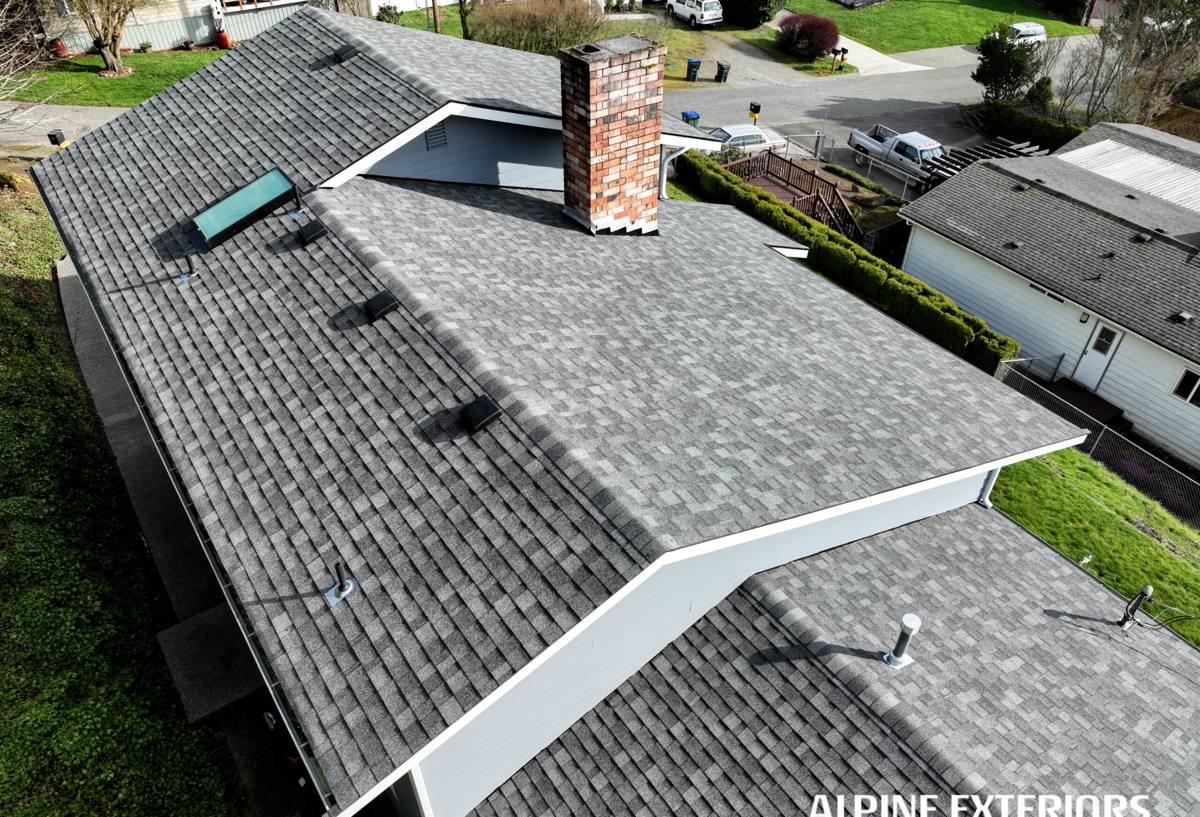
- Rusted or lifted flashing around chimneys, skylights, and roof-to-wall transitions
- Granules collecting in gutters after normal rain, not just after a storm
- Nail pops or exposed fastener heads, which salt air corrodes faster than people expect
- Missing or torn shingles after high wind, even if the rest of the roof looks fine from the street
If more than one or two of these show up at the same time, it's usually a sign the roof has multiple weak points, not just one.
Why Small Problems Escalate Fast Here
A gap that would sit dry for months in a drier, calmer climate gets tested constantly in Oldsmar. Wind-driven rain doesn't fall straight down — it gets pushed sideways and upward under shingle edges and flashing laps that were never designed to shed water from that angle. That's why a repair that looks cosmetic from the ground can still be letting water into the decking every time a storm rolls through off the Gulf.
What a Proper Repair Actually Involves
A roof repair done right isn't just sealing the spot where a leak shows up inside. It means tracing the water back to where it's actually entering, which is sometimes several feet away from the ceiling stain, and confirming the decking underneath hasn't already started to soften.
Shingle and Tile Repairs
For asphalt shingle roofs, that means replacing damaged shingles in matching courses, not just the single tab that's visibly torn, and checking the underlayment beneath for wind or water intrusion. For tile roofs, common on some Oldsmar homes, it means resetting or replacing cracked and slipped tiles, checking the battens or foam adhesive underneath, and making sure the underlayment — the actual waterproofing layer under the tile — hasn't failed even though the tile itself still looks fine.
Flashing and Leak Points
Flashing around chimneys, skylights, vent pipes, and wall intersections is where most persistent leaks originate, especially on older roofs where the original sealant has dried out under years of direct sun. A proper repair replaces failed flashing rather than just re-caulking it, since caulk over corroded or lifted metal is a short-term fix that tends to fail again within a season or two.
Decking and Structural Checks
Any time we find evidence of a leak that's been active for a while, we check the wood decking underneath before closing anything back up. Soft, delaminated, or discolored decking needs to be cut out and replaced — patching shingles over compromised decking just hides the problem until it reappears, usually worse, at the next storm.
Repair or Replace? What Actually Determines It
Homeowners often call about a leak wondering whether it means the whole roof is done. Usually it doesn't — but a few factors genuinely tip the decision one way or the other.
| Factor | Favors Repair | Favors Full Replacement |
|---|---|---|
| Roof age | Under 10-12 years | Approaching or past manufacturer's expected service life |
| Damage spread | Isolated to one or two areas | Multiple sections showing granule loss, curling, or leaks |
| Decking condition | Solid, dry wood found on inspection | Soft or delaminated decking in more than one spot |
| Storm history | Single recent event, otherwise well maintained | Repeated wind or hail damage over several seasons |
| Insurance situation | Repair covers the documented damage | Adjuster or contractor find damage is widespread enough to warrant full replacement |
We'll tell you honestly which side of that table your roof falls on. A repair that's really a band-aid on a roof near the end of its life isn't a service worth selling, and we'd rather lose the small job than have you calling us back in six months with the same leak somewhere new.
Our Repair Process for Forest Lakes Homes
Because we already work in this part of Oldsmar, we're familiar with the roof types and common failure points in the neighborhood, which speeds up diagnosis. Our process generally runs:
- Full roof inspection, including the attic side where accessible, not just a look from the ground or a ladder at the leak point
- Photos and a plain-language explanation of what we find, including anything that's fine and doesn't need work
- A written estimate that separates the repair scope from anything optional
- Repair work using materials matched as closely as possible to your existing roof, so patched areas don't stand out
- A final check confirming the fix holds under water testing where practical, not just a visual sign-off
We're not interested in finding extra "problems" to pad an invoice. If the honest answer is a $300 flashing repair instead of a $9,000 re-roof, that's what we'll tell you.
Materials We Use — and Why
For shingle repairs, we match architectural or three-tab shingles as closely as possible to what's already on the roof, since mismatched shingles age and weather at different rates and become an obvious patchwork over time. We use self-adhering underlayment at repair points and around flashing details, since it seals around fastener penetrations better than felt in the humidity and heat this area sees most of the year.
For flashing, we use corrosion-resistant metal rather than reusing old flashing whenever it shows any pitting or rust — reusing compromised flashing is a common shortcut that fails first in salt-air environments like this one. We hold off on lower-grade sealants and caulks that harden and crack under sustained UV exposure; that kind of product choice is exactly the sort of maintenance burden we try to avoid creating for you down the road, even if it means a slightly higher material cost up front.
Why Local Experience in Forest Lakes Matters
A roofer who's worked across Pinellas County knows the difference between a coastal-adjacent leak pattern and an inland one, and Forest Lakes has its own quirks — tree cover that traps moisture and drops debris, older housing stock with roofs original to construction, and the salt air drift that reaches even homes not directly on the water. Crews unfamiliar with the area sometimes miss these local factors and repair only the symptom that's visible, not the underlying cause that's specific to this kind of exposure.
Working repeatedly in the same neighborhood also means we can move fast after a storm, when timing matters most for preventing a small leak from becoming water damage inside the home.
Keeping a Repaired Roof From Needing Repairs Again
A repair is only as good as what happens to the roof afterward. A few habits go a long way in this climate:
- Clear gutters and downspouts regularly, especially where tree cover drops debris year-round
- Trim branches that overhang or rub against the roof surface
- Schedule a visual inspection after any named storm, even if nothing looks obviously wrong
- Have flashing and sealant checked every couple of years, since UV breakdown happens gradually and isn't always visible from ground level
None of this requires a professional every time, but a quick seasonal look — by you or by us — catches small issues while they're still cheap and simple to fix.
Get an Honest Look at Your Roof
If you're dealing with a leak, storm damage, or just want a second opinion on a roof that's starting to show its age, we're happy to come take a look. The estimate is free, there's no pressure to sign anything on the spot, and you'll get a straight answer about whether your roof needs a repair, a bigger fix, or nothing at all right now. Use the form below to get started.