 Oldsmar Siding
 Why Decks Near Citrus Park Wear Out Faster Than You'd Expect
A deck in the Citrus Park area doesn't fail because the wood or composite was bad to begin with. It fails because it's outside, year-round, taking on conditions that most building materials weren't originally designed for. Between the sun, the humidity, the seasonal storms, and the general wear of Tampa Bay weather, a deck that isn't inspected and repaired on a reasonable schedule tends to develop problems well before the homeowner expects it to.
This page covers deck repair specifically — not new construction — for homes in and around the Citrus Park area near Oldsmar. What breaks first, what a proper repair actually involves, and why it matters that the crew doing the work already knows this part of the Tampa Bay area.
Sun and Humidity, Almost Every Day of the Year
Florida's UV exposure is among the highest in the country, and a deck surface takes that sun directly, with no wall or roofline to shade it for most of the day. UV breaks down finishes and unstabilized materials over time, fading color and drying out wood fibers. Add in the humidity that sits over this region most of the year, and you get a cycle of expansion, contraction, and moisture absorption that loosens fasteners and stresses joints in ways a drier climate never would.
Wind-Driven Rain and Storm Season
Hurricane-force wind is a real design condition in this part of Florida, not a rare event to plan around loosely. Storms bring rain that gets driven sideways and pushed underneath boards and railings, not just straight down onto the surface. That's part of why drainage, board gapping, and how a deck ties into the house matter as much as how the surface looks — a deck that handles ordinary rain fine can still take on water damage in a wind-driven storm if those details weren't built or maintained correctly.
Salt Air Reaches Further Inland Than People Assume
Oldsmar sits on Tampa Bay, and salt-laden air off the water doesn't stop at the waterline — it travels with the wind for a distance inland, settling on exposed metal and accelerating corrosion even on properties that aren't waterfront. A deck a few miles from the bay in the Citrus Park area still deals with some of that exposure, just less intensely than a dock or seawall would. Fasteners and hardware are usually the first place it shows up, well before the boards themselves look affected.
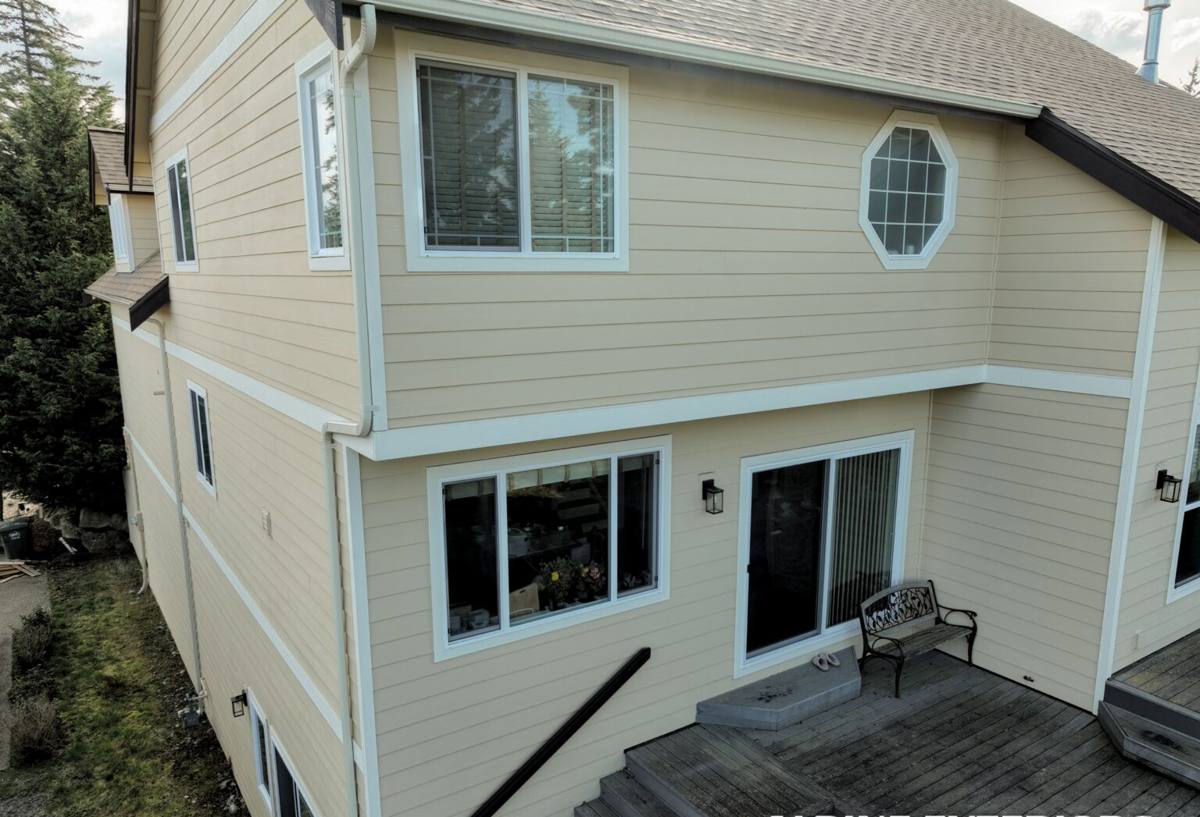
The Deck Problems We See Most Often in This Area
Most of the repair calls we get out here fall into a handful of categories. None of them are unusual for the climate — they're the predictable result of sun, moisture, and time doing what they do to an outdoor structure.
- Rot or soft spots at the ledger board, where the deck attaches to the house and moisture tends to collect
- Corroded or loosening fasteners, especially on older decks built with standard-grade rather than coastal-rated hardware
- Cupped, splitting, or gray-weathered wood boards from repeated UV and moisture cycling
- Cracked, delaminating, or fading composite boards, usually on older or lower-grade product lines
- Loose or wobbling railing posts, which are a safety issue as much as a cosmetic one
- Settling or shifting footings and posts, sometimes from water pooling around the base over several seasons
- Popped or protruding fasteners on the walking surface, which are easy to miss until someone steps on one wrong
Any one of these on its own is usually a straightforward fix. The trouble comes when a homeowner puts off a small repair for a season or two and it turns into a bigger one — a loose railing post that becomes a rotted post base, or a few corroded fasteners that let a board work loose entirely.
Repair or Replace? How We Actually Make That Call
Not every deck problem means starting over, and not every deck is worth patching indefinitely. The honest answer depends on a few specific things we check during an inspection, not a general rule of thumb.
| Factor | Leans Toward Repair | Leans Toward Replacement |
|---|---|---|
| Framing and substructure condition | Solid, dry, no soft spots when probed | Rot, soft wood, or insect damage found at joists or posts |
| Extent of surface damage | Isolated boards or a limited area | Damage spread across most of the deck surface |
| Age of the deck | Newer deck with an isolated, identifiable issue | Older deck already near the end of its expected service life |
| Fastener and hardware condition | Hardware sound, isolated corrosion | Widespread corrosion throughout the fastening system |
| Cost of repair vs. rebuild | Repair cost is a fraction of a full rebuild | Repair cost approaches what a rebuild would run |
We'll always tell you plainly which side of that line your deck falls on, including when a repair is the right call even if a replacement would be an easier sale for us.
What a Correct Deck Repair Involves
Structural Issues Come First
Before anything cosmetic gets touched, we check the parts of the deck you can't see from the surface — framing, ledger attachment, post bases, and footings. A repair that replaces a damaged board but ignores soft framing underneath it isn't a real repair; it's a surface patch that hides a structural problem until it fails again, usually at a worse moment.
Matching Materials the Right Way
Whether your deck is wood or composite, replacement boards and hardware need to match the existing structure's span rating, thickness, and fastening pattern — not just look similar. For composite decking especially, boards vary between manufacturers and even between product generations from the same manufacturer, so getting a genuine match sometimes takes some legwork rather than grabbing whatever's on the shelf.
Coastal-Grade Fasteners and Hardware
Given how much of what we see out here traces back to fastener corrosion, any repair we do uses stainless steel or coated coastal-grade hardware, not standard-grade fasteners that will just corrode again on the same timeline. It costs a little more upfront and saves you from paying for the same repair twice.
Permitting, When It Applies
Not every deck repair requires a permit, but structural work — framing replacement, post or footing repair, or anything affecting the deck's load path — generally does under local building code. We handle that determination and the permitting process itself rather than leaving it for you to figure out.
How Our Process Works
We start with an on-site inspection, checking the surface, the railing system, and the substructure underneath — not just what's visible from standing on the deck. From there we walk you through what we found, what's structural versus cosmetic, and what the repair-or-replace factors above actually look like for your specific deck. You get a straightforward quote before any work starts, with the scope spelled out clearly enough that you know exactly what's being done and why.
Once the work is approved, we handle any required permitting, then move through the repair in the right order: structural and framing issues first, then surface boards, then railing and hardware. We finish with a walkthrough so you know what to watch for going forward and what maintenance — if any — the specific materials on your deck actually need.
Signs Your Deck Needs a Look Now, Not Later
A few warning signs are worth acting on before they turn into a bigger repair:
- Any board that feels spongy, soft, or gives slightly when you step on it
- Railing posts that wobble or shift when pushed
- Visible rust or staining around fasteners or hardware
- Gaps opening up between the deck and the house at the ledger board
- Standing water that doesn't drain off the surface within a reasonable time
- Visible cracking, splitting, or delamination on any board
- A noticeable change in how the deck feels underfoot — bounce, give, or unevenness — compared to a year or two ago
None of these mean the deck is a lost cause. They mean it's worth an inspection before the next storm season or the next humid summer makes the problem bigger.
Why It Matters That We Already Work This Area
A repair crew that mostly works elsewhere in the Tampa Bay area can still fix a deck competently, but working the Citrus Park and Oldsmar area regularly means we're not guessing at what this climate does to a deck over time — we've seen it firsthand, repeatedly, on homes with the same sun exposure, humidity, and storm history as yours. That shows up in practical ways: knowing which fastener grades actually hold up out here, recognizing early rot before it spreads, and being straightforward with you about what's a real repair versus what's an unnecessary upsell.
It also means faster response and follow-up. If a repair needs a second look after a storm, or if a question comes up a year later about how something's holding up, you're dealing with a crew that's still working nearby, not one that has to be scheduled back in from across the region.
Keeping a Repaired Deck in Good Shape
A well-executed repair should hold up for years, but a little upkeep extends that considerably in this climate. Rinse the surface periodically to clear pollen, dirt, and salt residue before it settles in. Keep an eye on railing hardware and fastener heads for early signs of corrosion, especially after storm season. Clear debris out from between boards and away from the base of posts so water keeps draining the way it's supposed to. And if something starts to feel different underfoot — a soft spot, a new wobble, a gap that wasn't there before — get it looked at while it's still a small fix.
If your deck near Citrus Park has a problem you've been meaning to get checked, or you just want an honest read on its condition, we're happy to take a look. Reach out below for a free, no-pressure estimate.