 Oldsmar Siding
 Storm Damage Roof Repair for Tampa Bay Golf and Country Club
Tampa Bay Golf and Country Club sits inland from the coast, but that doesn't mean the roofs here get an easy ride. Pinellas County storms don't care about zip codes — the same squall lines, tropical systems, and summer thunderstorm cells that hammer the beaches roll straight through Oldsmar and drop wind, hail, and driving rain on every roof in the community. If a storm has come through and you're noticing missing shingles, a stain on a ceiling, or granules piling up in the gutters, you need a repair that actually addresses what the storm did — not a patch that looks fine from the driveway and fails the next time the wind picks up.
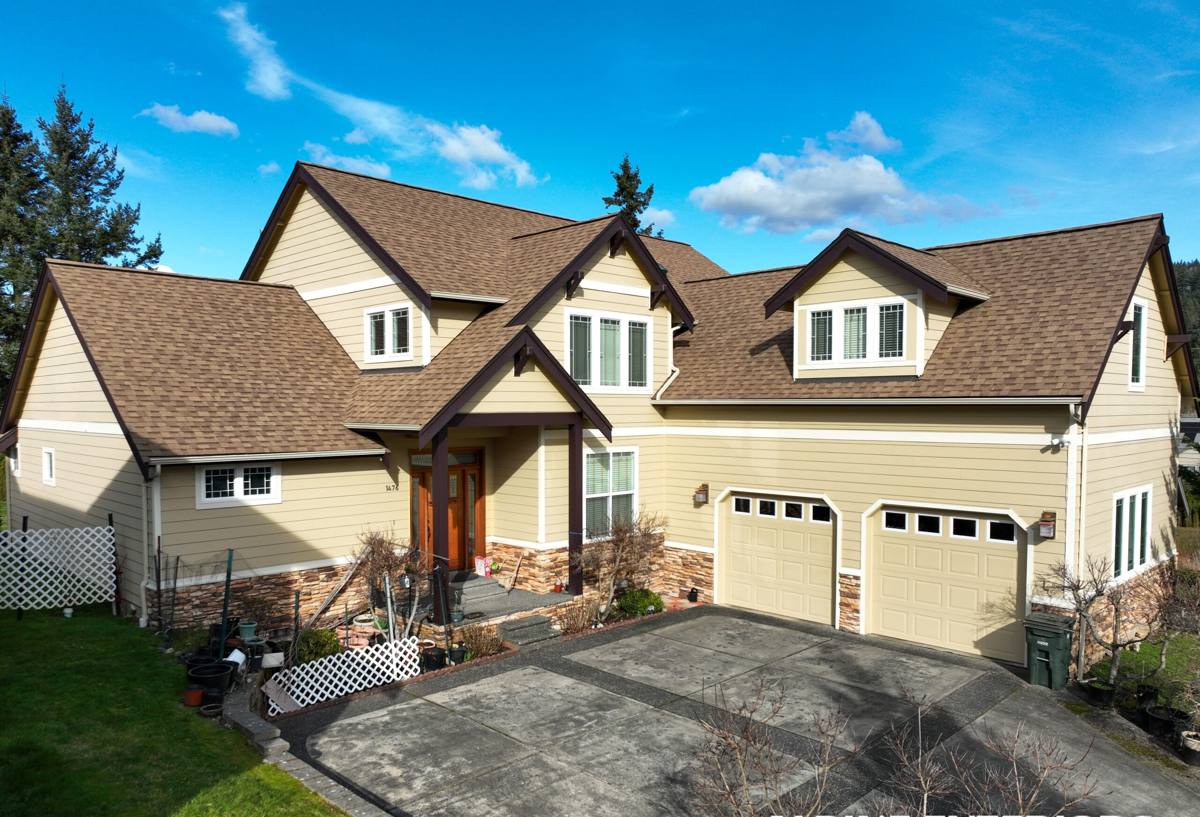
We work on homes throughout Tampa Bay Golf and Country Club and the surrounding Oldsmar area regularly, which matters more than it sounds like. Roofs in this neighborhood share a lot in common — similar ages, similar builder details, similar exposure — so we've seen how they hold up and where they tend to fail first. That's not a substitute for inspecting your specific roof, but it does mean we're not guessing.
What Pinellas County Storms Actually Do to a Roof
It helps to understand the mechanics of storm damage before you decide how to fix it. A roof in this part of Florida takes damage from several directions at once, and each one wears differently:
- Hurricane-force and straight-line wind gets under shingle tabs and flashing edges, working them loose or tearing them off outright. Wind damage is often patchy — a few courses on one slope, not the whole roof — which is exactly why it's easy to miss from ground level.
- Wind-driven rain doesn't fall straight down during a storm — it's pushed sideways and upward under shingles, around vent boots, and into any gap that wouldn't leak in a normal rain. This is how a roof that "looks okay" ends up with a soaked deck underneath.
- Year-round intense UV bakes asphalt shingles and dries out sealants between storms, so by the time the next system rolls through, materials that were flexible a few years ago have gone brittle and are more likely to crack or lift.
- Salt air, even at Oldsmar's distance from open water, accelerates corrosion on exposed fasteners, flashing, and metal roof edges over time, which is part of why storm damage on an older roof often turns out worse than it looks at first glance.
None of these forces act alone. A roof with UV-brittled shingles and a little wind-loosened flashing is far more vulnerable in the next storm than a well-maintained one — which is why storm repair should always include a look at the roof's overall condition, not just the obvious damage.
Signs You Have Storm Damage Worth a Second Look
Some storm damage is obvious. A lot of it isn't. If your home is in Tampa Bay Golf and Country Club and a storm has come through recently, walk the outside of the house and check for these:
- Shingles that are missing, curled, cracked, or lifted at the edges
- Granules collecting in gutters, downspouts, or on the ground below the eaves
- Dented or dinged shingles, gutters, or roof vents from hail
- Soft spots, sagging, or visible movement when you look down a roof slope
- Water stains on interior ceilings or upper walls, even faint ones
- Daylight visible through the attic roof deck
- Flashing that's bent, pulled away, or missing around chimneys, skylights, or roof-to-wall joints
- Debris strikes — branches, tree limbs, or wind-blown objects that hit the roof
Any one of these is a reason to get a professional look before the next rain event, not after.
What a Correct Storm Damage Roof Repair Involves
Assessment first, repair second
The single biggest mistake in storm repair is fixing the visible damage and stopping there. A proper assessment covers the whole roof system: the shingles or roofing material, the underlayment beneath it, the decking it's fastened to, the flashing at every penetration and edge, and the attic ventilation. Wind and rain rarely damage just one spot — they find every weak point on the roof at once, and a repair that only addresses what's visible from the ground leaves the rest to fail in the next storm.
Temporary protection when it's needed
If a roof has active leaking or exposed decking after a storm, the first priority is stopping water intrusion — tarping and sealing exposed areas before the repair itself begins. This isn't cosmetic; it's what keeps a roof problem from becoming an interior drywall, insulation, and mold problem while a permanent repair is scheduled.
Matching materials, not just covering gaps
Repairs should use materials that match the existing roof in type, weight, and where possible, color and profile. A patch with mismatched shingles or the wrong underlayment weight might shed water for a season, but it creates a weak seam that's often the first place the next storm finds trouble.
Flashing and fastening done right
A large share of storm-related leaks trace back to flashing, not shingles — around chimneys, skylights, vent stacks, and roof-to-wall transitions. Correct repair means resetting or replacing flashing properly, not just running a bead of sealant over the old piece and calling it done. Sealant is a backup, not a fix.
Repair or Replace? What Actually Drives That Decision
Not every storm-damaged roof needs full replacement, and not every roof can be safely limited to a patch repair. The honest answer depends on a few factors:
| Factor | Favors Repair | Favors Replacement |
|---|---|---|
| Extent of damage | Isolated to one slope or area | Spread across multiple slopes or widespread granule loss |
| Roof age | Roof is well within its expected lifespan | Roof is near or past the end of its typical service life |
| Underlying deck condition | Decking is dry and sound | Decking is soaked, soft, or rotted in multiple spots |
| Prior storm history | First significant damage event | Repeated patches from past storms already in place |
| Material availability | Matching shingles/material still available | Discontinued material forces a mismatched patch |
We'll tell you plainly which category your roof falls into and why — including when a repair is the right, honest answer rather than pushing a full replacement that isn't needed yet.
Our Storm Damage Repair Process
1. Inspection and documentation
We inspect the full roof — not just the spot you called about — and document what we find with photos. This documentation matters twice: it tells you exactly what's wrong and why, and it's the kind of record that supports an insurance claim if you decide to file one.
2. A straight explanation, then a plan
You get a clear description of the damage, what caused it, and what fixing it correctly requires — repair or replacement — along with a written scope before any work starts. No pressure, no scare tactics.
3. The repair itself
Work is done to match your existing roofing system, with proper flashing, fastening, and sealing at every point we touch — not just the shingles that were obviously missing.
4. Final check
We walk the completed repair with you, confirm the area is fully weathertight, and make sure you know what was done and why.
Working With Your Insurance on Storm Claims
Most storm damage repairs in this area involve an insurance claim, and the process goes more smoothly when the documentation is thorough from the start. Clear photos, a written description of the damage, and an honest scope of work are what an adjuster needs to evaluate a claim fairly. We provide that documentation as a standard part of our assessment — we're not a public adjuster and we don't negotiate your claim for you, but we make sure you're walking into that conversation with solid evidence of what the storm actually did to your roof.
Why It Matters That We Already Work in This Neighborhood
Storm damage repair isn't a one-size-fits-all trade. A crew that's worked on multiple roofs in Tampa Bay Golf and Country Club has already seen how the homes here are built, what roofing materials and details are common, and which failure points tend to show up first after a storm. That familiarity speeds up the assessment and reduces the chance that something gets missed — flashing details, ventilation quirks, or a roof style that needs a different repair approach than a home a few miles away.
Being local also means we're not disappearing after the invoice is paid. If a repair doesn't hold up the way it should, or a new issue turns up after the next storm, we're still here in Oldsmar — not a crew that worked its way through the county after a hurricane and moved on.
Protecting Your Roof Between Storms
Pinellas County's storm season isn't a once-a-year event — it's an ongoing condition. A few habits go a long way toward reducing damage when the next system comes through:
- Have the roof inspected after any significant wind or hail event, even if you don't see obvious damage from the ground
- Keep gutters and downspouts clear so wind-driven rain has somewhere to go
- Trim back tree limbs that could strike the roof in high wind
- Address small issues — a lifted shingle corner, a soft spot in flashing sealant — before they become entry points for wind-driven rain
- Keep a record of prior repairs and inspections, which speeds up both future assessments and insurance claims
A roof that's kept in good repair between storms simply holds up better when a real one hits — that's true anywhere, but it's especially true given how often this area sees significant wind and rain events.
If a recent storm has left you wondering whether your roof needs attention, we're happy to take a look. We offer free, no-pressure estimates for Tampa Bay Golf and Country Club homeowners — just fill out the form below and we'll get you a straight answer about what your roof needs.