 Oldsmar Siding
 Roofing Built for Countryside's Weather, Not Just Any Weather
Countryside sits inland enough from the Gulf to feel a little sheltered, but don't let that fool you. Homes here still take a beating from the same conditions that hit every corner of Pinellas County: sustained UV exposure that runs nearly year-round, wind-driven rain that finds every gap in a roof system, tropical-storm and hurricane-force gusts during the season, and a steady trace of salt air carried in off the Gulf that accelerates corrosion on fasteners, flashing, and metal components. A roof that's merely "installed" survives a few years. A roof that's installed correctly for this specific climate is what actually holds up.
When we replace a roof in Countryside, we're not applying a generic checklist. We're accounting for the sun load on south- and west-facing slopes, the wind uplift pressures typical of this part of Pinellas County, and the moisture cycling that comes from Florida's humidity swinging between soaked summer afternoons and dry, baking heat. Every layer of the roof system has to work together to handle that, not just the shingles on top.
Signs a Countryside Roof Needs Full Replacement, Not Another Repair
Not every roof problem calls for a full tear-off. But there's a point where patching becomes throwing money at a system that's simply worn out. Homeowners in Countryside typically reach that point when they see:
- Shingles that are cupping, curling, or losing significant granule coverage (you'll notice granules collecting in gutters or downspouts)
- Multiple repair visits in the past few years for leaks in different spots, rather than one recurring spot
- Visible sagging anywhere on the roof deck, which signals underlying structural or moisture damage
- Daylight visible through the attic decking, or damp, musty smells in the attic space
- A roof that's 20+ years old for asphalt shingle, or nearing the manufacturer's rated lifespan for its material
- Storm damage severe enough that an insurance adjuster is recommending replacement over repair
If your roof is showing one or two of these, a repair may still make sense. If you're seeing several at once, replacement is almost always the more cost-effective long-term move — repeated repairs on an aging system add up fast without actually solving the underlying wear.
What a Correct New Roof Installation Actually Involves
A new roof is more than swapping old shingles for new ones. The parts you don't see are what determine whether the roof holds up through its rated lifespan or fails early. A properly done installation includes:
Full Tear-Off and Deck Inspection
We remove the existing roofing material down to the deck, not layer over it. This lets us actually inspect the plywood or OSB decking underneath for soft spots, water staining, or rot — problems that are invisible from above and that get sealed in (and get worse) if you just roof over them.
Deck Repair and Preparation
Any damaged decking gets replaced before anything new goes down. Skipping this step is one of the most common shortcuts in the roofing trade, and it's also one of the most expensive mistakes to inherit later, since a weak deck compromises everything installed on top of it.
Underlayment
This is the roof's secondary water barrier, and in a climate with this much wind-driven rain, it matters as much as the visible shingles. We use synthetic or self-adhered underlayment products rated for high-wind, high-moisture regions, with particular attention to sealing around penetrations.
Flashing at Every Transition
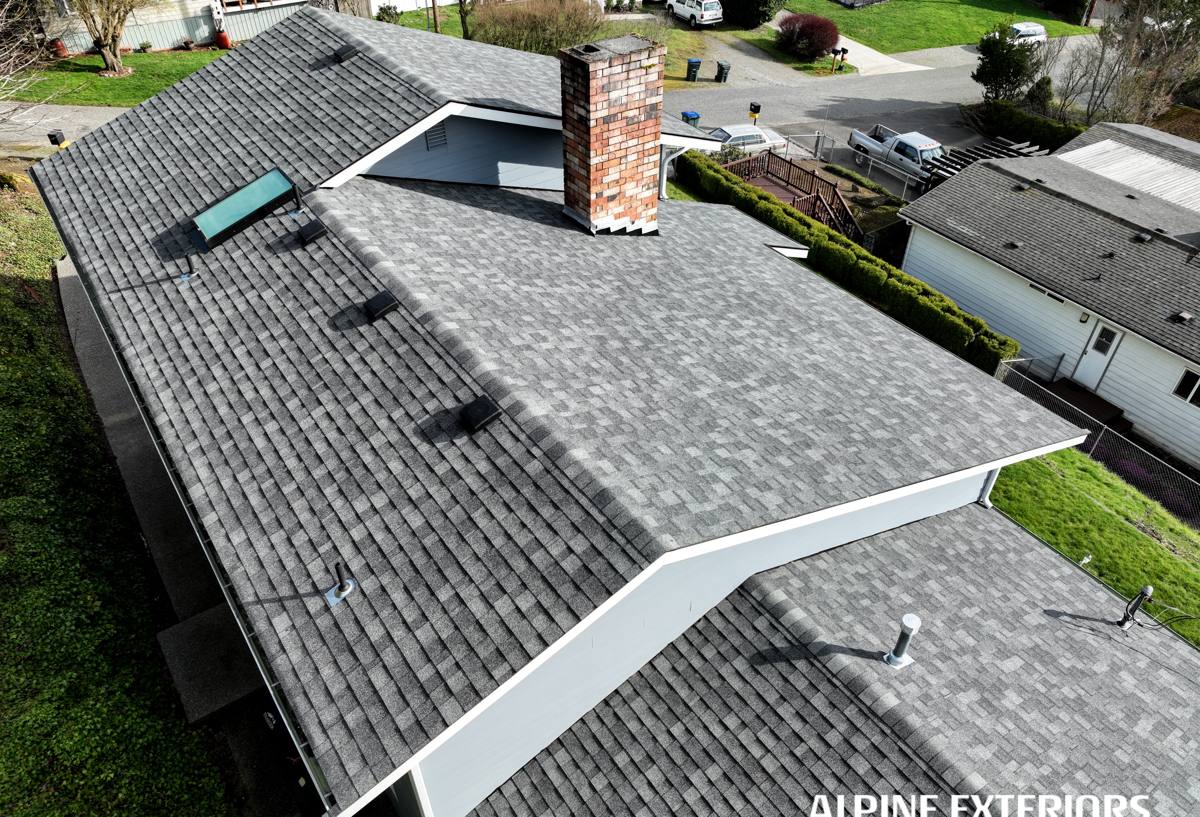
Chimneys, skylights, sidewalls, and roof valleys are where the majority of leaks originate — not the open field of the roof. Correct flashing installation and integration with the underlayment is where craftsmanship shows up most.
Fastening to Wind-Rated Standards
Nail pattern, nail placement, and fastener count directly affect a roof's wind uplift resistance. This isn't a place to cut corners in a county that regularly sees tropical-storm-force wind events.
Ventilation
Proper intake and exhaust ventilation keeps attic temperatures and moisture in check, which protects the decking from underneath and helps the shingles themselves last longer.
Roofing Material Options for a Countryside Home
There's no single "best" roofing material — the right choice depends on your budget, your home's roof pitch and structure, and how long you want to go before your next replacement. Here's an honest comparison of the main options we install:
| Material | Typical Lifespan | Wind Performance | Maintenance |
|---|---|---|---|
| Architectural asphalt shingle | 20-30 years | Good, with high-wind rated products and proper fastening | Low; periodic inspection |
| Metal (standing seam or panel) | 40-50+ years | Excellent uplift resistance when properly installed | Very low; occasional fastener/seam check |
| Tile (concrete or clay) | 40-50+ years | Good, but individual tiles can crack or dislodge in severe wind | Moderate; cracked tiles need prompt replacement |
| 3-tab asphalt shingle | 15-20 years | Lower wind rating than architectural shingle | Low, but shorter service life |
Architectural shingle is the most common choice for Countryside homes because it balances upfront cost with strong wind performance and a service life well matched to Florida's climate. Metal is worth serious consideration if you're planning to stay in the home long-term, since the higher upfront cost is offset by decades of reduced maintenance and replacement costs. We'll walk through the trade-offs specific to your roof's structure and your plans for the home during your estimate.
Our New Roof Installation Process
- On-site inspection and assessment — we evaluate the current roof, deck condition, ventilation, and any problem areas before quoting anything.
- Written estimate — a clear scope of work and material options, no pressure to decide on the spot.
- Permitting — we handle the permit process with the local building department so the work is inspected and code-compliant.
- Material delivery and site protection — landscaping, driveways, and gutters get protected before work starts.
- Tear-off and deck inspection — old roofing removed, deck checked and repaired as needed.
- Underlayment, flashing, and material installation — installed to manufacturer specs and local wind-rating requirements.
- Cleanup and magnetic nail sweep — full site cleanup, including a sweep for stray fasteners.
- Final walkthrough and inspection sign-off — we review the finished roof with you and coordinate the required building inspection.
Wind Rating, Building Code, and Permitting in Pinellas County
Florida's building code sets minimum wind resistance standards for roofing, and those standards are stricter in coastal and near-coastal counties like Pinellas. A new roof installed in Countryside has to meet these wind-uplift and fastening requirements, and the permitting and inspection process exists specifically to verify that. This isn't paperwork for its own sake — it's the same set of standards that determines how your roof performs the next time a named storm tracks through the area.
We pull permits on every full roof replacement and coordinate the required inspections. If a contractor offers to skip the permit "to save time," that should be a red flag, not a selling point — it usually means the work won't be verified against code, and it can create real problems with insurance claims or when you go to sell the home.
What Affects the Cost of a New Roof in Countryside
Every roof is different, so we don't publish flat pricing — but the main variables that move the number are consistent from job to job:
| Factor | Why It Matters |
|---|---|
| Roof size and pitch | More square footage and steeper pitches mean more material and labor time |
| Material choice | Architectural shingle, metal, and tile carry different material and installation costs |
| Deck condition | Rotted or water-damaged decking found during tear-off adds repair cost |
| Number of penetrations | Chimneys, skylights, and vents each require additional flashing work |
| Layers of existing roofing | Multiple old layers add tear-off and disposal time |
| Access and site conditions | Steep pitches or tight lot access can affect labor and equipment needs |
The only way to get an accurate number is a real on-site inspection — we'll never quote a firm price sight-unseen, and we won't pad an estimate with allowances for problems we haven't actually confirmed.
Ventilation and Attic Health
A new roof is a good time to address attic ventilation, since it's far easier to correct while the roofing material is off than after. Poor ventilation traps heat and moisture in the attic, which shortens the life of the decking from underneath and can push cooling costs up during Florida's long summer stretch. We check intake vents (soffit) and exhaust vents (ridge, box, or power vents) as part of every new roof installation and will flag any imbalance before we close the roof back up.
Why a Crew That Already Works in Countryside Makes a Difference
Roofing crews who work regularly in this part of Pinellas County understand the local permitting process, know what inspectors are looking for, and have a feel for how the specific mix of sun exposure, humidity, and storm risk in this area affects material choice and installation detail. That local familiarity translates into fewer surprises during the permit and inspection process and a roof system that's genuinely matched to the conditions it has to survive, not just built to a generic national spec.
A few things worth confirming with any roofing contractor before you hire them for a new roof installation:
- Current Florida roofing license and proof of liability and workers' comp insurance
- Manufacturer certification for the specific product line being installed, if warranty coverage matters to you
- Willingness to pull permits and coordinate inspections directly, rather than asking you to do it
- A written estimate detailing materials, scope of work, and cleanup — not just a bottom-line number
- References or a track record of completed work in the local area
If you're weighing repair versus replacement, comparing materials, or just want a straight answer about what your roof actually needs, we're happy to take a look. Reach out for a free, no-pressure estimate using the form below.