 Oldsmar Siding
 Building Decks for Dunedin's Coastal Conditions
Dunedin sits close enough to the water that every outdoor structure on a property, including a deck, has to deal with a harsher set of conditions than you'd find inland. Between the salt air drifting off the Gulf, intense year-round UV exposure, wind-driven rain, and the hurricane-force winds that come through Pinellas County during storm season, a deck built with generic, one-size-fits-all methods tends to show problems early: loose railings, cupped boards, corroded fasteners, and soft spots where water has been sitting instead of draining away.
A deck built correctly for this climate isn't dramatically more expensive or complicated than a deck built anywhere else — it just requires knowing which materials, fasteners, and framing details actually hold up here, and being disciplined about not cutting corners on the parts that don't show until year three or four.
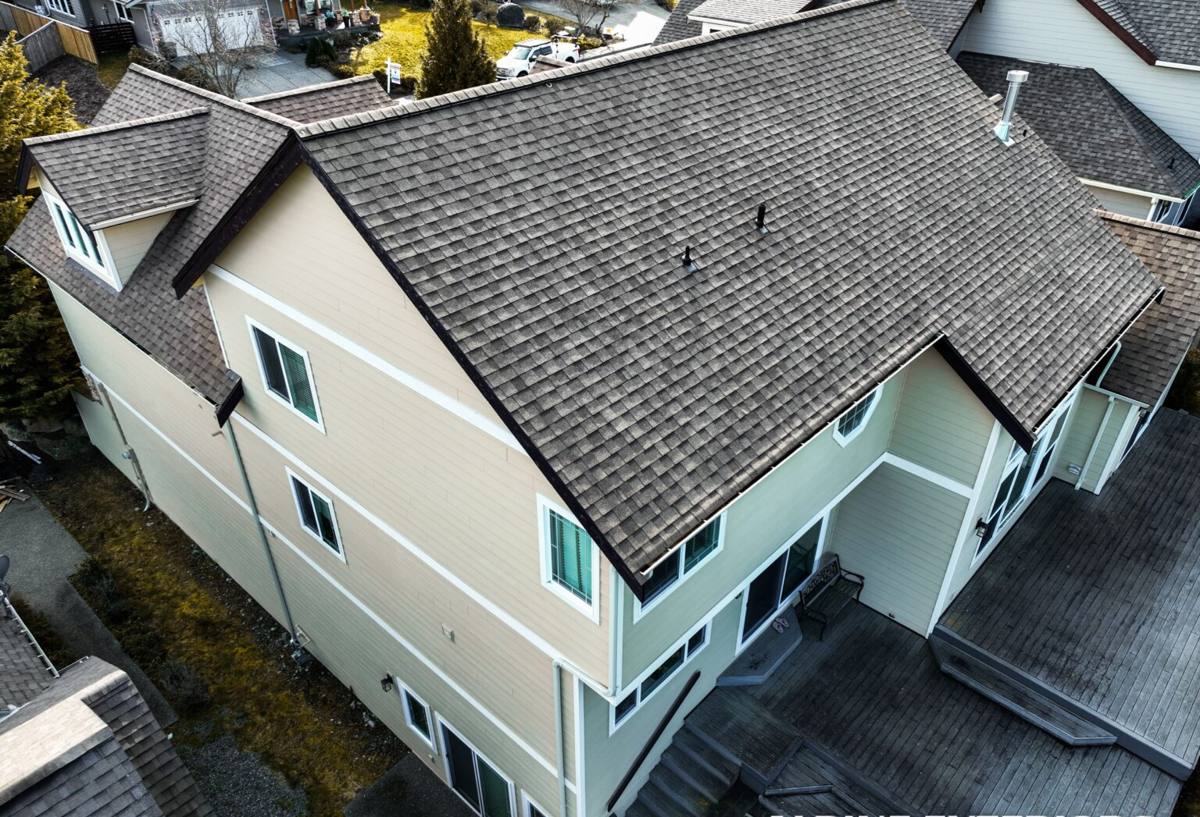
What Coastal Weather Actually Does to a Deck Over Time
It helps to understand the specific ways Dunedin's climate wears on a deck, because it explains almost every decision that goes into building one correctly.
UV Exposure
Florida sun is intense and constant, not seasonal. Untreated or poorly finished wood grays and dries out quickly, and even composite decking varies a lot in how well it resists fading and surface chalking. UV is also what breaks down cheap sealants and finishes long before the structure underneath is actually worn out.
Wind-Driven Rain and Humidity
Rain here rarely falls straight down. Wind pushes it sideways and underneath railings, ledger boards, and stair stringers — areas that a lot of deck builds don't seal or flash properly because, on paper, they're not "exposed" to weather. Combined with year-round humidity, any spot where water can collect instead of shedding becomes a slow-motion rot or corrosion problem.
Salt Air
Even a few miles from open water, airborne salt accelerates corrosion on fasteners, brackets, and any exposed metal hardware. Standard hardware store screws and connectors that would be fine in a drier inland climate can start rusting and staining a deck within a couple of seasons near the coast.
Hurricane-Force Wind
Pinellas County decks need to be attached, framed, and anchored to handle real wind load, not just support foot traffic. Railings and ledger connections are usually the first thing to fail in high wind if they weren't built to code in the first place.
Choosing Decking Material for a Dunedin Property
There's no single "best" decking material — the right choice depends on your budget, how much upkeep you're willing to do, and how close your property is to the water. Here's how the common options actually compare under Gulf Coast conditions:
| Material | How It Handles This Climate | Maintenance | Typical Lifespan Here |
|---|---|---|---|
| Pressure-Treated Pine | Affordable and strong, but needs consistent sealing to resist humidity and UV; can warp or split if neglected | Annual cleaning and resealing | 10-15 years with upkeep |
| Tropical Hardwood (e.g., Ipe) | Naturally dense and rot-resistant, holds up very well to moisture, but still fades without periodic oiling | Periodic oiling to maintain color | 20-25+ years |
| Capped Composite | A protective cap resists moisture, staining, and fading better than uncapped composite; performs well near salt air | Occasional washing, no sealing or staining | 25-30 years |
| PVC Decking | Fully synthetic, doesn't absorb moisture at all, very stable in humidity swings | Occasional washing | 25-30+ years |
As a professional standard, we steer homeowners away from uncapped, budget composite boards on coastal builds — early composite products had real problems with moisture absorption and mold in humid climates, and while the category has improved, capped composite and PVC simply behave more predictably here. Wood is still a good, honest choice for homeowners who like the look and don't mind the maintenance rhythm.
Framing and Structural Details That Matter More Here Than Elsewhere
The decking boards are the part everyone sees, but the framing underneath is what actually determines whether a deck survives a decade of Gulf Coast weather and storm seasons without needing structural repair.
Ledger Board Attachment
Where the deck ties into the house is the single most important connection on the entire structure. It has to be properly flashed to keep wind-driven rain from getting behind it and into the house framing, and bolted — not just nailed or screwed — with hardware rated for the load.
Joist Hangers and Structural Connectors
Every joist connection should use hardware rated for outdoor, corrosion-prone environments. This is one of those details that's invisible once the deck is finished but is exactly what separates a deck that stays tight and quiet for 20 years from one that starts creaking and sagging within a few.
Elevation and Drainage
Decks built too close to grade trap moisture underneath and give termites and rot an easy path. Proper elevation, spacing between boards, and grading the ground underneath so water actually moves away from the structure all matter more in a humid climate than they would somewhere dry.
Post and Footing Depth
Footings need to be sized and set to local frost-free and wind-load requirements, which in Pinellas County means anchoring for uplift and lateral wind force, not just vertical weight. This is a code requirement, not an upgrade — it's what keeps a deck attached to the ground in a serious storm.
Fasteners and Hardware: The Detail Most Builds Get Wrong
Salt air corrosion is one of the most common — and most preventable — reasons a deck starts looking rough within a few years near the coast. The fix isn't complicated, it's just a matter of not using the wrong hardware to save a small amount of money upfront.
- Stainless steel or coated fasteners rated for coastal and treated-lumber use, not standard galvanized hardware
- Hidden fastener systems where appropriate, which also reduce the number of exposed metal points that can corrode and stain the decking
- Corrosion-resistant joist hangers, post bases, and structural screws at every connection, not just the visible ones
- Railing hardware rated for wind load, since railings take direct wind pressure and are a common failure point in storms
None of this is optional on a coastal build. It's a small percentage of the total project cost, and it's the difference between hardware that's still solid in year fifteen and hardware that's rusting and staining the boards by year three.
Permits, Wind Load, and Florida Building Code
Deck construction in Pinellas County falls under Florida Building Code requirements, which account for the region's wind exposure. That means engineered attachment details for the ledger board, footing depth and spacing calculated for wind uplift, and railing and guard requirements that are stricter than what you'd see in a lot of other parts of the country. Permitting and inspection exist to confirm the structural parts of the deck — the parts you can't see once it's finished — were actually built to hold up. A contractor who treats permitting as a formality to rush through, rather than a check that protects the homeowner, is not someone we'd want building on our own property either.
Our Process, From First Call to Finished Deck
We keep the process straightforward because a deck project shouldn't feel complicated for the homeowner, even though there's real engineering happening underneath.
- On-site estimate. We look at the property, talk through how you actually plan to use the deck, and discuss material options honestly, including trade-offs on cost and maintenance.
- Design and material selection. We finalize layout, decking material, railing style, and any features like built-in seating or stairs, sized to the space and the home.
- Permitting. We handle the permit application and engineering details required for Pinellas County, so the structure is built and documented to code from the start.
- Framing and structural work. Ledger attachment, footings, posts, and joists go in first, using coastal-rated hardware throughout — this is the stage that determines how the deck holds up long-term.
- Decking, railing, and finish work. Boards, railings, and any trim or stairs are installed, with attention to spacing and fastening for drainage and long-term stability.
- Final walkthrough and inspection. We review the finished deck with you, and it goes through final inspection to confirm everything meets code.
What Owning a Deck in Dunedin Actually Takes
Even a well-built deck needs some ongoing attention in this climate — the goal of a correct build is to make that upkeep light and predictable instead of a constant fight against moisture and sun.
- Rinse off salt residue, pollen, and debris periodically, especially after storms
- Check railing connections and fasteners once a year for early signs of corrosion or looseness
- Reseal or oil wood decking on the schedule appropriate to the species — this is the single biggest factor in how long a wood deck actually lasts
- Keep gutters and downspouts near the deck clear so runoff doesn't pool against footings or framing
- Trim back vegetation that traps moisture against the deck structure or blocks airflow underneath
- Address any soft spots, discoloration, or loose boards early — they're far cheaper to fix before they spread
Why Hiring a Crew That Already Works in Dunedin Matters
A contractor who builds regularly in this area already knows the local wind zone requirements, has a working relationship with Pinellas County's permitting and inspection process, and has seen firsthand which materials and hardware hold up here and which don't. That's a different level of preparation than a crew that mostly builds inland and treats coastal conditions as an afterthought. It shows up in the small decisions — flashing details, hardware grade, footing depth — that aren't visible in a finished photo but are exactly what determines whether a deck is still solid in ten years or needs repair in three.
If you're considering a new deck or need to replace one that's showing its age, we're happy to take a look and walk you through honest options for your property. There's no pressure and no obligation — just a straightforward conversation about what makes sense for your home and budget. Use the form below to request a free estimate.