 Oldsmar Siding
 Storm Damage Roof Repair for Dunedin Homeowners
Dunedin sits close enough to the Gulf that its roofs absorb a different set of stresses than homes further inland. Salt-laden air, sudden squall-line winds off the water, and the kind of wind-driven rain that finds its way in sideways all combine to age a roof faster than the calendar suggests. When a storm passes through and leaves a roof questionable, Dunedin homeowners need a repair that addresses what actually happened to the roof system, not just a patch over the spot that's leaking today.
We're based in Oldsmar and work throughout this part of Pinellas County regularly, which means Dunedin isn't a one-off service call for us. We know what a typical summer storm cell does to shingles and flashing in this area, and we know the difference between damage that needs a full section replaced and damage that a targeted, honest repair can resolve.
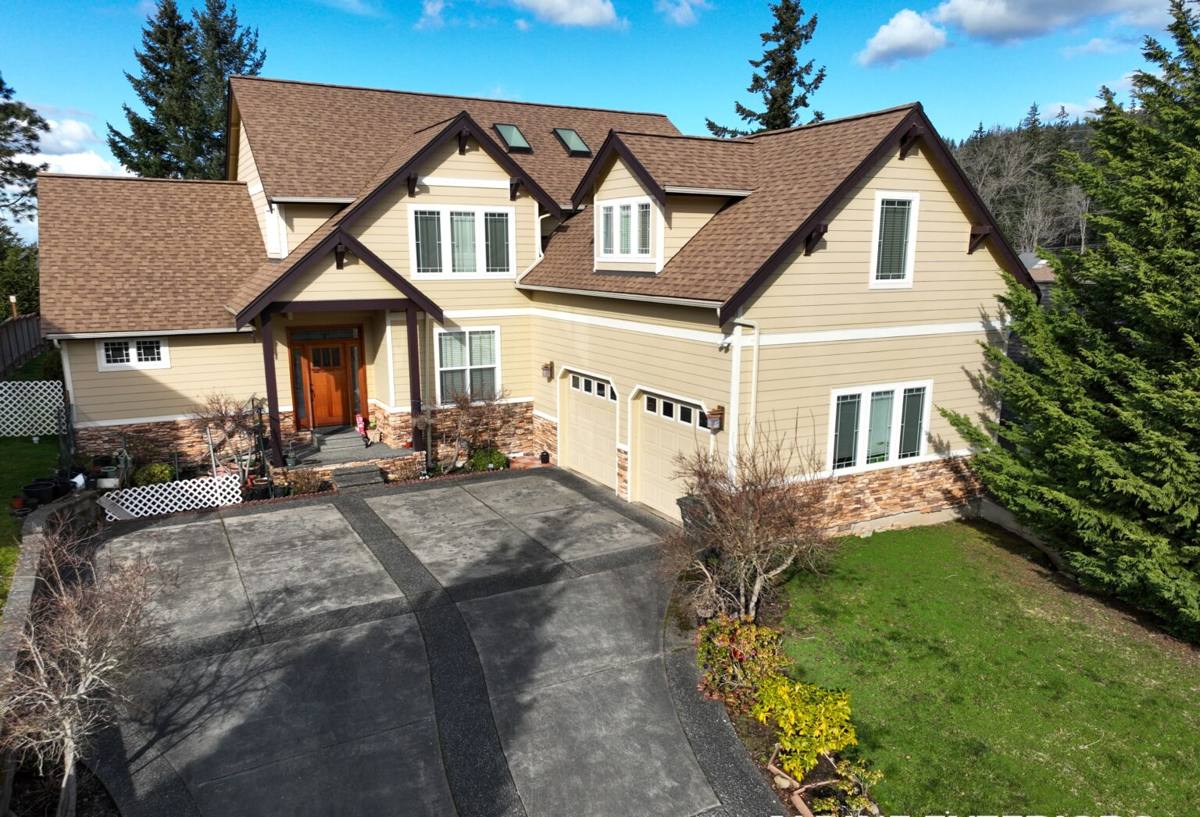
Why Dunedin Roofs Take a Particular Kind of Beating
A few climate factors stack up here in ways that matter for roof longevity and repair strategy:
- Wind-driven rain: Storms moving off the Gulf often bring rain at an angle strong enough to push past standard flashing and shingle laps if either has started to age or lift.
- Salt air corrosion: Metal flashing, fasteners, and vent components corrode faster in coastal Pinellas County than they would 20-30 miles inland. Corroded metal is one of the most common hidden causes of a leak that seems to come from "nowhere."
- Intense, near year-round UV: Constant sun exposure dries out shingle granules and sealant strips faster here, making roofs more brittle and more prone to wind lift during a storm.
- Sudden hurricane-force gusts: Even storms that don't make landfall as hurricanes can produce gusts strong enough to lift shingle edges, crack ridge caps, or dislodge flashing at penetrations.
None of these factors act alone. A roof with sun-brittled sealant is far more vulnerable to wind lift; a roof with slightly corroded flashing is far more vulnerable to wind-driven rain. That's why a proper storm damage assessment in Dunedin has to look at the whole system, not just the obvious leak point.
What Actually Counts as Storm Damage
Visible Signs
Some damage is easy to spot from the ground: missing or torn shingles, visibly lifted shingle edges, dented or dislodged metal flashing, debris punctures, and sagging or displaced gutters. If you can see any of these after a storm, it's worth having someone look at the roof before the next round of rain.
Hidden Signs
The more consequential damage is often invisible from the ground. Wind can loosen a shingle's seal without tearing it off, which leaves it looking fine from the driveway but vulnerable to the next gust. Flashing around chimneys, vents, and skylights can shift just enough to open a gap without falling out of place entirely. Underlayment can tear beneath intact shingles after repeated wind stress. These are the issues that turn into a slow ceiling stain weeks after the storm has passed, long after the homeowner has stopped thinking about it.
Interior Clues Worth Checking
- New or spreading ceiling stains, especially near exterior walls or chimneys
- Musty odor in an attic or top-floor closet
- Peeling paint or bubbling drywall on an upper floor
- Visible daylight through the attic roof deck
- Granules collecting in gutters or at downspout outlets
What a Correct Repair Actually Involves
A storm damage repair done right isn't just replacing what's obviously missing. It's a sequence:
- Full-roof inspection, not just the area where the leak showed up, since wind damage rarely stays confined to one spot.
- Identifying the water path, since the point where water enters is often several feet from where it shows up on a ceiling.
- Assessing underlayment and decking, since shingles are only the outer layer — if water reached the decking, that has to be addressed or the repair won't hold.
- Matching materials properly, so a repaired section doesn't stand out or create a weak seam where old and new material meet.
- Re-sealing and re-flashing penetrations, since these are consistently the first failure point in coastal wind events.
Skipping any of these steps is how a "fixed" roof ends up leaking again in the next storm season. It's also how a homeowner ends up paying for the same repair twice.
Our Process for Dunedin Storm Repairs
1. Assessment and Documentation
We inspect the full roof, not just the reported problem area, and document what we find with photos. This matters both for making an informed repair decision and for supporting an insurance claim if you're filing one.
2. Clear, Honest Scope
We tell you plainly what's storm damage, what's pre-existing wear that the storm exposed, and what's cosmetic versus functional. We don't pad a scope to make a job bigger than it is, and we don't downplay something that needs attention just to keep a quote low.
3. Repair or Replace — Your Call, Our Honest Input
Some damage calls for a targeted repair. Some damage, especially on an older roof that was already near the end of its service life, is a sign that a repair is a short-term patch and a partial or full replacement is the more sensible investment. We'll lay out both paths and the reasoning behind our recommendation.
4. Repair Work
We replace damaged shingles and underlayment sections, correct or replace compromised flashing, reseal penetrations, and confirm the repaired area ties in properly with the surrounding roof so water has nowhere new to travel.
5. Final Check
Before we consider a job finished, we walk the roof again to confirm the repair holds together as a system — not just that the original problem spot looks fixed.
Repair vs. Replacement: What Actually Drives the Decision
| Factor | Leans Toward Repair | Leans Toward Replacement |
|---|---|---|
| Roof age | Under 10-12 years | Nearing or past expected service life |
| Extent of damage | Isolated section or penetration | Widespread across multiple roof planes |
| Underlayment/decking condition | Dry, intact beneath the damaged area | Saturated, soft, or already deteriorating |
| Shingle granule loss | Localized to the damaged area | Widespread thinning across the whole roof |
| Prior repair history | First repair on this roof | Multiple past repairs in different spots |
No single factor decides it alone — we weigh all of them together and explain our reasoning rather than just handing you a number.
Insurance Claims: What We Can and Can't Do for You
We're not a public adjuster and we don't negotiate your claim for you, but we can provide something that helps any claim: clear, dated photo documentation of the damage and an honest written scope of what repair is needed and why. Homeowners in Pinellas County dealing with a storm-related claim generally do better with a contractor who documents thoroughly up front rather than one who rushes to patch first and explain later. If you're filing a claim, it's worth having the roof assessed before repairs begin so the documentation reflects the actual storm damage.
Materials That Hold Up to Coastal Conditions
For repair work in a coastal-influenced area like Dunedin, we favor:
- Corrosion-resistant flashing and fasteners over standard-grade metal, since salt air accelerates corrosion on lower-grade hardware.
- Impact-rated or high wind-rated shingles for replacement sections, matched as closely as possible to existing material.
- Properly rated sealants designed to stay flexible under UV exposure rather than drying out and cracking within a year or two.
We don't use lowest-cost hardware on a repair simply because it's cheaper up front — a repair that fails again in the next storm season costs the homeowner more in the long run than doing it right the first time.
After a Storm: A Homeowner Checklist
- Photograph any visible exterior damage before debris is cleared, if it's safe to do so
- Check ceilings and upper-floor walls for new stains or soft spots
- Look in the attic for daylight, water trails, or damp insulation
- Check gutters and downspouts for excessive granule buildup
- Avoid climbing onto the roof yourself — leave the close-up inspection to someone experienced with storm damage
- Get an inspection soon after the storm, even if you don't see an obvious leak yet
Why a Crew That Already Works Dunedin Matters
Storm damage repair isn't a generic skill applied the same way everywhere. A crew that regularly works Dunedin and the surrounding Oldsmar and Pinellas County area has already seen how local wind patterns off the Gulf tend to hit roofs, which flashing details fail first in salt air, and which shingle lines hold up versus which age out fast under this level of UV exposure. That familiarity shows up in faster, more accurate assessments and repairs that are built for the conditions this specific roof actually faces, not a one-size-fits-all national playbook.
If your Dunedin home took on storm damage, or you're just not sure whether recent weather left something worth addressing, we're happy to take a look. Reach out for a free, no-pressure estimate using the form below — we'll give you a straight answer about what we find and what it would take to fix it right.