 Oldsmar Siding
 Why Dunedin Windows Wear Out Faster Than Windows Inland
Dunedin sits close enough to the Gulf that its homes take on a specific combination of stress most inland Florida towns don't deal with in the same intensity: salt-laden air, near-constant humidity, intense UV exposure almost every day of the year, and the very real possibility of hurricane-force wind and wind-driven rain during storm season. Any one of those factors will age a window. Together, they compound. A window that might last two decades in a drier, calmer climate can start failing in half that time here if it wasn't built or installed with this environment in mind.
Salt air is corrosive to metal hardware — hinges, locks, balance mechanisms, and screws — long before most homeowners notice a problem with the glass itself. UV breaks down vinyl frames, weatherstripping, and seals from the outside in, which is why frames that looked fine a few years ago can turn brittle or discolored. And wind-driven rain doesn't just test a window during a hurricane; it tests every seal, every flashing detail, and every fastener during every heavy afternoon thunderstorm, all season, every year.
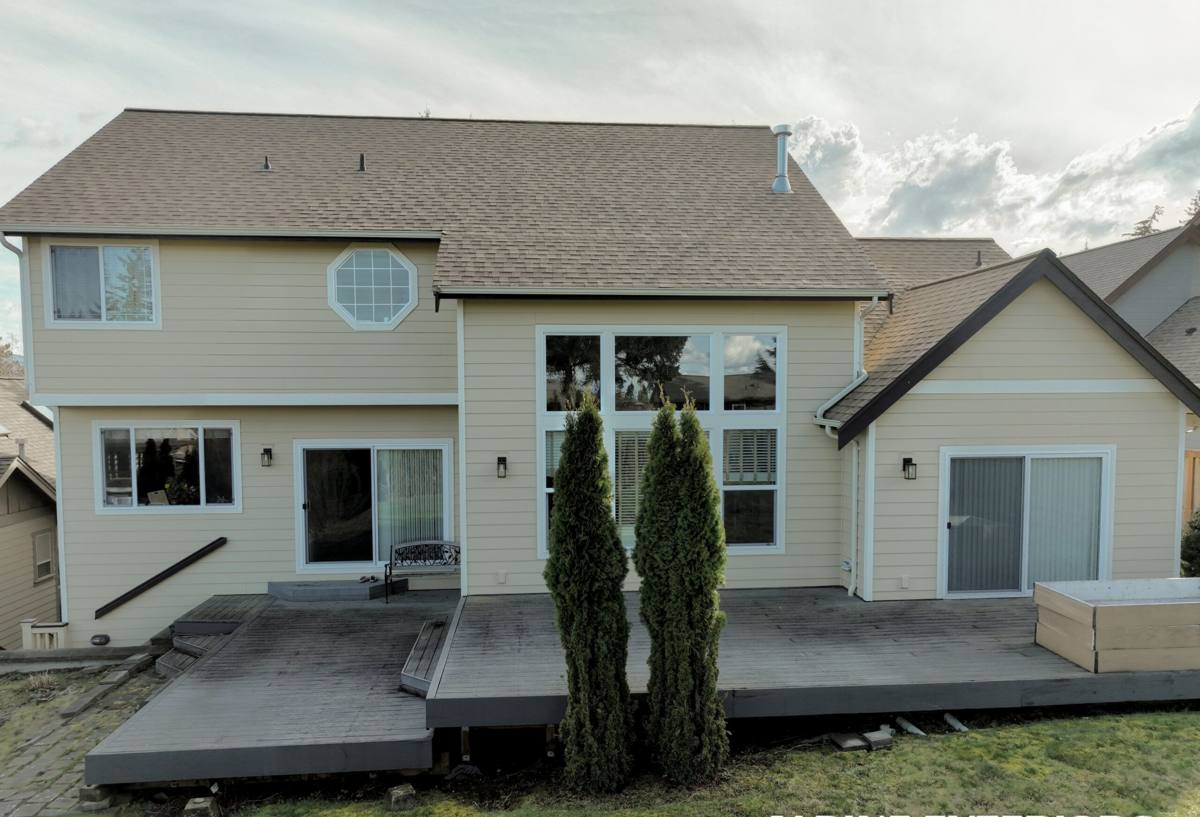
Signs a Dunedin Home's Windows Are Due for Replacement
Window failure in this climate is rarely dramatic. It shows up gradually, and homeowners often live with the early signs for years before addressing them. Worth checking for:
- Fogging or a hazy film between panes of double-pane glass — the seal has failed and the insulating gas has escaped
- Windows that are difficult to open, close, or lock, which often means the frame has shifted or hardware has corroded
- Visible daylight or a draft around the frame when the window is closed
- Soft, discolored, or bubbling wall material below or around the window — a sign water has been getting past the frame
- Chalky, faded, or brittle exterior frame material, especially on windows that face west or south and take the most sun
- A noticeable jump in cooling costs without any other change to the home
Any one of these on its own might just mean a repair. Several at once, or one that's paired with interior water staining, usually means it's time to talk about full replacement rather than patching the same problem again next year.
What a Correct Window Replacement Job Actually Involves
Window replacement looks simple from the outside — old window out, new window in — but the parts that determine whether it lasts are mostly invisible once the job is done. This is where a lot of quality gaps show up years later.
Removal and Opening Prep
The old window comes out carefully so the rough opening isn't damaged. Once it's exposed, that opening gets inspected for rot, soft wood, or existing water damage. Skipping this step and installing a new window over a compromised opening just seals a problem behind new trim — it doesn't fix it.
Flashing and Water Management
This is the single most important step for a coastal-climate installation and the one that's easiest to rush. Proper flashing directs any water that gets past the window's outer seal back out and away from the wall assembly, rather than letting it collect and soak into framing. In a market that gets regular wind-driven rain, flashing done wrong is the most common reason a "brand-new" window still leaks.
The Window Itself
The unit gets set level, plumb, and square, then shimmed and fastened according to the manufacturer's installation instructions — which is also what keeps the manufacturer's warranty and the wind-rating certification valid. An improperly shimmed or fastened window can look fine and still fail its intended wind rating.
Sealing and Finish Work
Insulation around the frame, correct sealant at the interior and exterior, and finish trim complete the job. Good sealant work isn't just cosmetic — it's part of the water and air barrier.
Choosing the Right Window for Wind, Rain, and Salt Air
There's no single "best" window for every home, but some frame materials and glass packages hold up to this climate better than others. Coastal exposure, sun orientation, and wind exposure on a given elevation of the house all factor into what we'd actually recommend.
| Frame Material | Coastal Durability | Maintenance Needs | General Cost Position |
|---|---|---|---|
| Vinyl (quality-grade) | Good — won't corrode; UV-stable formulations hold color and rigidity well | Low — occasional cleaning | Budget to mid-range |
| Aluminum | Fair — strong but prone to corrosion near salt air over time unless properly coated | Moderate — watch for pitting and hardware corrosion | Mid-range |
| Fiberglass | Very good — dimensionally stable, resists UV and moisture well | Low | Mid to premium |
| Wood (unclad) | Poor in this climate without diligent upkeep — humidity and UV are hard on exposed wood | High — regular repainting/sealing required | Premium |
Beyond frame material, glass package matters just as much. Impact-rated glass — laminated glass built to stay intact under wind-borne debris impact — is worth serious consideration for any Dunedin home, both for storm protection and because it typically also cuts UV transmission and outside noise. Low-E coatings help manage the heat load from year-round sun exposure and can noticeably ease the strain on cooling systems. We'll walk through what actually fits your home's exposure and budget rather than pushing one product line for every situation.
Our Process, Start to Finish
We keep the process straightforward and try not to make it more complicated than it needs to be:
- An in-person assessment of the existing windows, openings, and any water or rot damage found along the way
- A written estimate that lays out frame material, glass package, and wind-rating options, with honest trade-offs explained rather than upsold
- Ordering and scheduling, with a realistic timeline communicated up front — manufacturing lead times for impact-rated units can run longer than standard glass
- Installation, including proper flashing and sealing at every opening, not just the ones that are easiest to reach
- A final walkthrough so you can see and test every window before we consider the job finished
Permits, Codes, and Wind Ratings in Pinellas County
Window replacement in Pinellas County is subject to Florida Building Code wind-load requirements, and most jobs require a permit and inspection — that's true whether the work is on a home in Dunedin, Oldsmar, or anywhere else in the county. Wind-rating requirements vary by a home's location and exposure, which is why the same window model isn't automatically approved for every address. We handle the permitting and make sure the products we install carry the correct approvals for the site, rather than leaving that detail for the homeowner to sort out later — an unpermitted or under-rated installation can become a real problem at resale or during an insurance claim.
What to Ask Before Hiring Anyone for This Job
Window replacement is one of those projects where the quality gap between a careful contractor and a rushed one doesn't show up until the first bad storm. A few questions worth asking any contractor you're considering:
- Are you licensed to do this work in Florida, and can I see proof of current insurance?
- Will you pull the required permit, and who schedules the inspection?
- What flashing method do you use, and can you explain why?
- What wind rating do these windows carry, and is that rating appropriate for my home's exposure?
- What's covered under warranty — the product, the labor, or both — and for how long?
- Can I get that estimate in writing with the specific products listed by name?
A contractor who answers these plainly and without hesitation is usually one who does this correctly on a regular basis.
Why It Matters That We Already Work in Dunedin
A crew that regularly works Dunedin and the surrounding Oldsmar and Pinellas County area already understands the practical realities here — how the local wind and rain exposure varies by neighborhood and by which direction a house faces, what the county's permitting process actually requires, and which flashing and sealing details matter most given the salt air and humidity this area sees year-round. That's a different starting point than a crew working from a generic playbook built for a different climate. It means fewer surprises during the estimate, fewer callbacks after the install, and a job built for the conditions your home will actually face rather than average conditions somewhere else.
Keeping New Windows Performing Long-Term
A correctly installed window still benefits from basic upkeep in this climate. Rinsing frames and tracks periodically helps clear salt residue before it can accelerate corrosion on hardware. Keeping weep holes clear lets water drain the way it's designed to instead of pooling. And an occasional visual check of exterior sealant — especially after a strong storm — catches small cracks before they become a path for water intrusion. None of this is heavy maintenance, but skipping it entirely shortens the life of even a well-installed window.
If your Dunedin home's windows are showing their age, letting in drafts, or you're simply planning ahead of the next storm season, we're happy to take a look and give you a straightforward, no-pressure estimate — just fill out the form below.