 Oldsmar Siding
 What East Lake's Climate Actually Does to Siding
East Lake sits inland from the Gulf but still lives inside the same weather system that batters the rest of Pinellas County — long, humid summers, intense year-round UV, tropical downpours, and the real possibility of a hurricane-force wind event every storm season. Homes here don't fail because owners neglected them. They fail because whatever was nailed to the walls wasn't built, or installed, for this specific combination of stresses.
Three things do most of the damage over time. First, UV load — Florida sun breaks down pigments and resins in lower-grade siding products faster than almost anywhere else in the country, which is why so many vinyl and painted wood exteriors look chalky and faded within a few years. Second, wind-driven rain — East Lake's storms don't fall straight down, they get pushed sideways into wall assemblies, seams, and trim joints, which means the installation details matter as much as the material. Third, salt-laden air moving in off Tampa Bay and the Gulf, which accelerates corrosion on fasteners and metal flashing and speeds up moisture-related decay in anything that isn't genuinely rot-resistant.
A siding job that's correct for a house in Ohio is not automatically correct for a house in Oldsmar. The product, the fastener spec, the flashing details, and the finish all need to be chosen with this specific climate in mind.
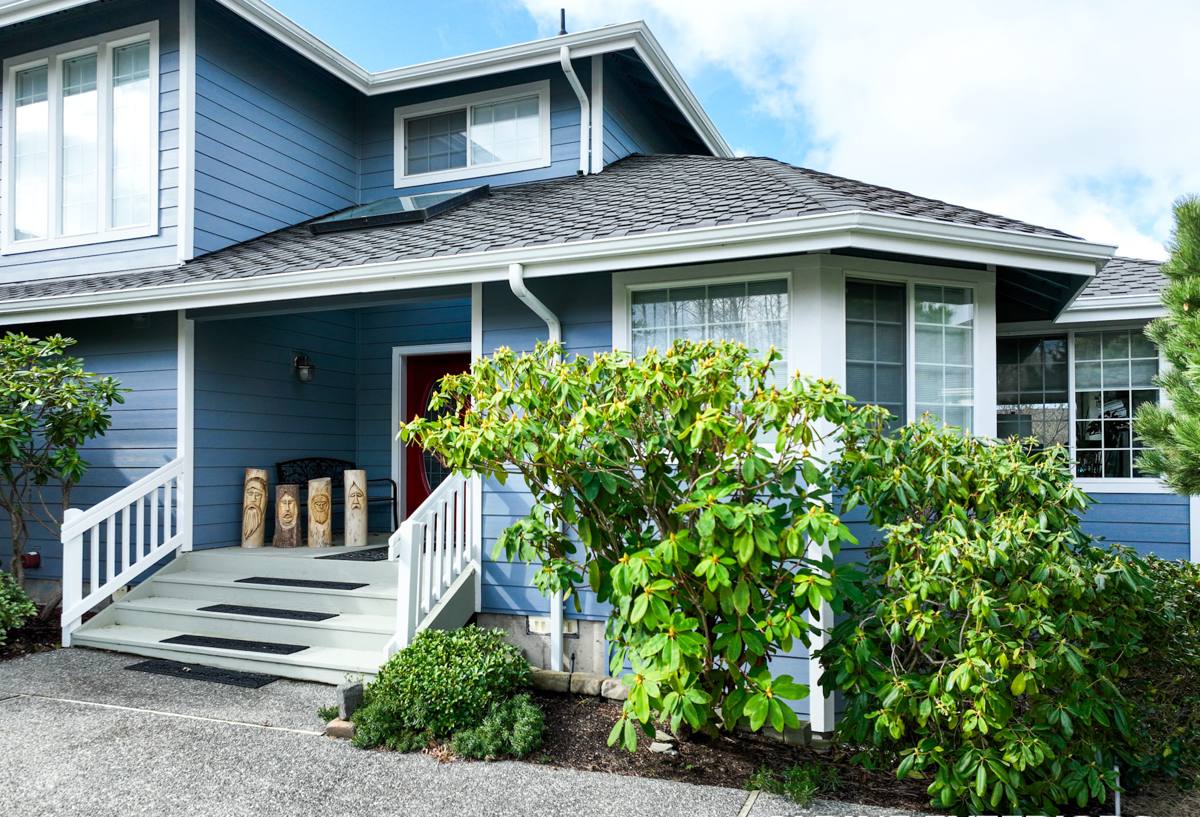
What a Correct Fiber Cement Installation Actually Involves
Fiber cement siding has a strong track record in Florida when it's installed to spec — and a much rockier one when it isn't. The material itself is only half the equation.
The details that separate a durable install from a future problem
- Proper clearance between the bottom of the siding and roof lines, decks, and grade — manufacturer minimums exist specifically to keep splash-back and standing water off the board
- Correct fastener type, spacing, and depth — over-driven or under-driven nails are one of the most common causes of early failure
- Flashing at every window, door, and penetration, integrated with the water-resistive barrier so wind-driven rain has nowhere to get behind the siding
- Kick-out flashing where roof lines meet walls, directing runoff away from the wall assembly instead of down behind it
- Caulked and sealed joints at butt seams and trim, using sealants rated for sustained UV and moisture exposure
- Factory-applied finish left intact rather than field-cut edges left unsealed and exposed to weather
Skip any one of these and the siding itself can be excellent material and still underperform. That's why installation quality is the variable we control most carefully on every East Lake project.
Common shortcuts we see undone in this area
Field repairs and re-siding calls in this part of Pinellas County tend to trace back to a short list of recurring issues: siding installed tight to grade or a roof deck with no drainage gap, missing or improvised flashing around windows, panels face-nailed instead of blind-nailed where the spec called for it, and cut edges left unsealed so moisture wicks into the board from the ends inward. None of these are visible from the curb on day one. They show up two, five, or ten years later.
Why We Install Only James Hardie Fiber Cement
We don't offer vinyl, LP SmartSide, primed wood, cedar, or other fiber cement brands as alternatives — not because those products have no merit, but because we've standardized our crews, our fastening specs, and our warranty backing around one system we can install and stand behind consistently: James Hardie.
Vinyl moves with temperature swings, can warp or crack under sustained high heat, and offers no real fire resistance. Wood and wood-composite products need more diligent maintenance to hold up against Florida humidity and insect exposure, and their finish life is shorter under this UV load. Other fiber cement brands exist, but we've chosen to build our entire process — training, fastener schedules, flashing details, warranty paperwork — around a single, well-documented product line rather than spreading our crews thin across several systems with different installation requirements. That focus is what lets us install correctly the first time, every time.
James Hardie fiber cement is non-combustible, holds paint and factory finish far longer under UV exposure than wood or vinyl, resists the moisture-driven swelling and rot that Gulf Coast humidity causes in lesser materials, and carries a strong transferable warranty when installed by a factory-trained crew to Hardie's own specifications — which is exactly what we do on every East Lake project.
The HardieZone System — Why It Matters in Pinellas County
James Hardie engineers its siding differently depending on climate zone. Homes in Oldsmar and East Lake fall into the HZ10 zone, built specifically for hot, humid, high-moisture environments like ours. HZ10 products use a formulation and finish process designed to resist the cracking, moisture intrusion, and pest issues that show up faster in humid coastal climates than in drier regions of the country.
That distinction matters because siding sold under a generic "fiber cement" label isn't always engineered for this climate. When we quote a James Hardie job, we're specifying HZ10-appropriate products by default — not upselling, just matching the material to the environment it has to survive.
Our Process for East Lake Projects
Every project follows the same sequence, whether it's a single accent wall or a full re-side:
- On-site assessment — we walk the exterior, check current siding and trim for hidden moisture damage, and look at drainage, grade, and roofline details that will affect flashing design
- Product and color selection — HZ10 plank, panel, or shingle profiles, with ColorPlus factory-finish options that are baked on and warranted against fading, rather than field-painted
- Tear-off and substrate check — old siding comes off, sheathing and framing get inspected for rot before anything new goes up; problems get fixed, not covered
- Weather barrier and flashing — house wrap, window and door flashing, and kick-out flashing installed to manufacturer and code requirements, sized for wind-driven rain exposure
- Installation to spec — correct clearances, fastener type and spacing, and joint sealing, following Hardie's published fastening schedule rather than a generic approach
- Trim, caulking, and finish detailing — cut edges sealed, joints caulked with UV-rated sealant, trim installed for clean water shedding
- Final walkthrough — we review the completed work with the homeowner before calling the job done
What Drives Cost on an East Lake Fiber Cement Project
Every home is different, but the same handful of factors move the price on nearly every quote we write in this area:
| Cost Factor | Why It Matters |
|---|---|
| Tear-off vs. overlay | Removing old siding and inspecting sheathing adds labor but is often necessary if there's hidden moisture damage |
| Siding profile (lap, shingle, panel) | Different profiles have different material and labor requirements |
| Trim and architectural detail | Homes with more corners, windows, and trim lines take more precision flashing and cutting |
| ColorPlus vs. field-painted finish | Factory finish costs more up front but eliminates repainting for years |
| Home size and stories | More square footage and taller walls mean more material, staging, and labor time |
| Existing damage or rot | Sheathing or framing repairs found during tear-off are priced separately from the siding itself |
We provide a written, itemized quote so homeowners can see exactly what's driving the number — no vague lump-sum estimates.
Maintaining Fiber Cement Siding in a Salt-Air, High-UV Climate
One reason we recommend fiber cement over lower-maintenance-sounding alternatives is that its actual upkeep in this climate is modest — but it isn't zero. A few simple habits keep an East Lake installation performing for decades:
- Rinse the exterior periodically to clear salt residue and airborne grime, especially on walls facing prevailing wind
- Inspect caulked joints and trim seams once a year, ideally before hurricane season, and re-caulk any that look cracked or pulled away
- Keep irrigation heads and sprinklers from spraying directly on siding — constant wetting accelerates wear regardless of material
- Trim back landscaping so foliage isn't holding moisture against the wall
- After any major storm, walk the exterior and look for loose panels, damaged trim, or exposed fasteners rather than waiting for the next visible problem
Why Hiring a Crew That Already Works in East Lake Matters
Wind zone requirements, permitting expectations, and typical construction details in Pinellas County aren't identical to what a crew coming from another region is used to. A contractor who already works this area knows what inspectors in Oldsmar and Pinellas County look for, understands how local homes are typically framed and sheathed, and has already worked through the flashing and clearance details that this climate demands. That familiarity shows up in fewer surprises during the job and a longer service life once it's finished.
It also matters for warranty follow-through. A manufacturer warranty is only as good as the installation behind it — James Hardie's warranty coverage depends on the product being installed to their specifications, which is why the crew doing the work matters as much as the brand on the box.
Ready to Talk About Your East Lake Home?
If your siding is showing UV fading, cracked caulk lines, soft spots, or you're simply planning ahead of the next storm season, we're happy to take a look. We'll walk the exterior, tell you honestly what condition it's in, and put together a clear, no-pressure estimate for James Hardie fiber cement siding built for this climate. Use the form below to get started.