 Oldsmar Siding
 Siding Built for Feather Sound's Bay-Adjacent Climate
Feather Sound sits close to Old Tampa Bay, tucked between Oldsmar and the rest of Pinellas County, and that location shapes what a home's exterior has to put up with year after year. Homes here take on a combination most inland neighborhoods never see in the same intensity: salt-laden air drifting off the bay, long stretches of intense Florida UV, wind-driven rain during summer storms, and the outside chance of real hurricane-force wind loads during the season. Any one of those factors will wear down a weak siding product. Together, they will find every shortcut in a cheap installation within a few years.
We install James Hardie fiber cement siding exclusively, and Feather Sound is one of the neighborhoods where that decision matters most. This page walks through what the local climate actually does to a home's exterior, what correct Hardie installation looks like in this setting, and why working with a crew that already knows this area is worth more than a lower bid from someone unfamiliar with it.
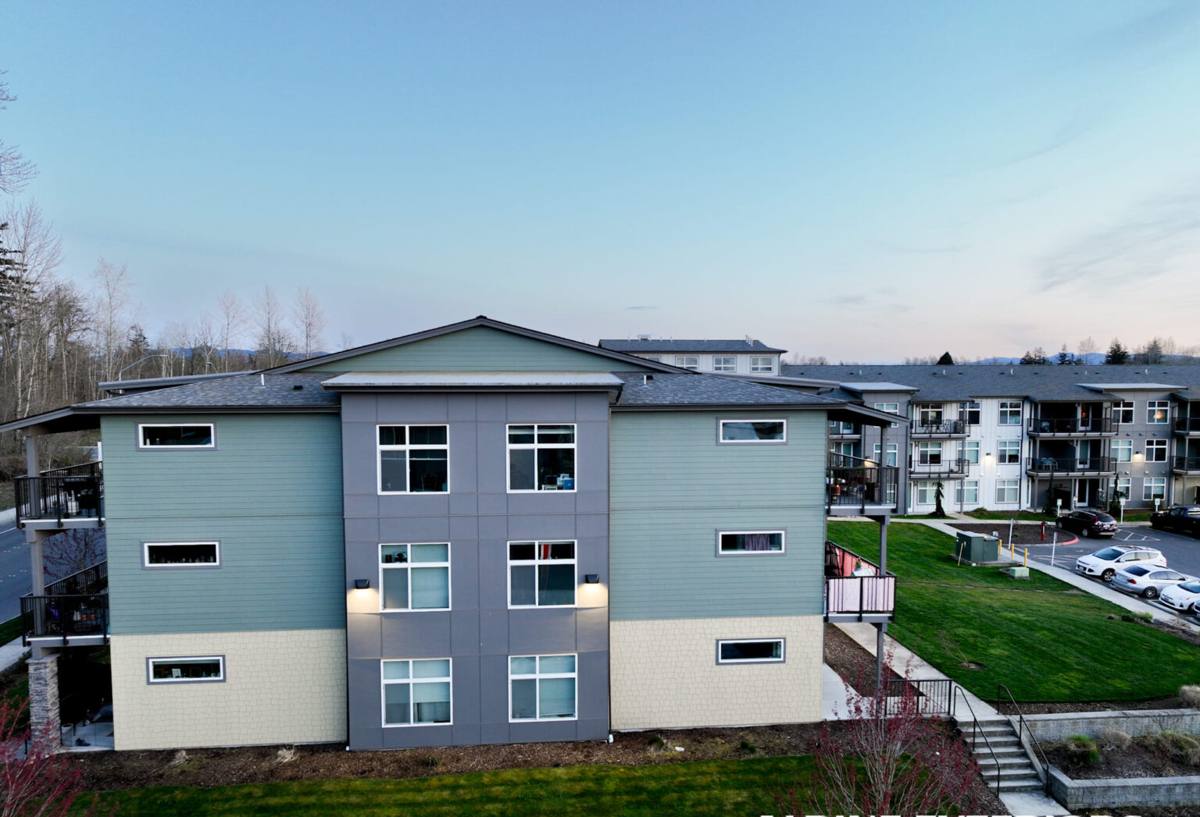
What Bay Proximity Does to a Home's Exterior
Salt Air and Corrosion
Airborne salt from Tampa Bay doesn't just affect boats and metal railings. It settles on siding, works into fasteners, and accelerates the breakdown of paint films and lower-grade materials. Vinyl siding can become brittle and discolored faster near the water. Wood and wood-composite products absorb the salt-humidity combination and are more prone to swelling, rot, and paint failure. Fiber cement doesn't corrode and isn't organic material for salt and moisture to break down, which is a big part of why it holds up better in a neighborhood this close to the bay.
UV Exposure
Florida sun is relentless, and Feather Sound gets the same year-round exposure as the rest of Pinellas County. Standard paint on siding fades and chalks under UV over time, and that process speeds up on south- and west-facing walls. This is one of the reasons factory-applied finishes matter more here than in milder climates — a coating baked on under controlled conditions holds color and integrity longer than most field-applied paint jobs.
Wind-Driven Rain
Summer storms in this part of Florida rarely arrive as gentle, straight-down rain. Wind pushes water sideways into wall assemblies, testing every seam, joint, and piece of flashing on a home's exterior. Siding that isn't installed with the right clearances, laps, and moisture management will let water behind it — and once water gets behind siding, the damage is happening to the wall sheathing and framing, not just the visible surface.
Why We Install Only James Hardie Here
We don't offer vinyl, LP SmartSide, Cemplank, Allura, or primed wood siding, and Feather Sound's climate is a big reason why. Vinyl can warp in sustained heat and take direct wind damage in storms. Wood-based products, even engineered ones, rely on their outer coating to keep moisture out — and coastal humidity is hard on any coating over time. James Hardie's fiber cement formulation is non-combustible, doesn't swell or rot the way wood-based products can, and is engineered specifically for markets like this one.
HZ5 Engineering for the Gulf Coast
James Hardie makes climate-specific product formulations, and the Gulf Coast/Southeast HZ5 line is engineered for high humidity, heavy rain, and hot, sun-heavy climates like ours. That's a meaningful difference from a generic fiber cement product — it's a formulation decision made for exactly the conditions Feather Sound homes face.
ColorPlus Factory Finish
James Hardie's ColorPlus finish is baked on in a controlled factory environment, not brushed or sprayed on-site. It resists fading and chipping far better than field-applied paint, and it comes backed by its own finish warranty separate from the product warranty. In a climate where UV and salt air both attack surface coatings, that factory-cured finish is one of the most practical advantages a homeowner gets from choosing Hardie.
What a Correct Installation Actually Involves
James Hardie siding performs the way it's designed to only when it's installed to the manufacturer's specifications. Most of the siding failures we get called out to inspect trace back to installation shortcuts, not the material itself. In a coastal-adjacent neighborhood like Feather Sound, these details matter even more than they would further inland.
- Correct clearance between siding and the ground, roofline, decks, and patios so water has somewhere to go
- Proper flashing and moisture barrier behind every seam, window, and door opening
- Manufacturer-specified fastener type, spacing, and penetration depth — undersized or wrong-material fasteners fail faster in salt air
- Correct lap and overlap dimensions on every course, not just the visible ones
- Sealed and caulked joints at trim, corners, and penetrations using compatible sealants
- Field-cut edges properly sealed or primed before installation, since raw cut edges are the most vulnerable point on any fiber cement board
Skipping any one of these doesn't usually show up as a problem on day one. It shows up two, five, or eight years later as a soft spot, a stain, or a section that's pulling away from the wall — usually after the workmanship warranty has already expired.
Comparing Siding Options for a Home Near the Bay
Homeowners in Feather Sound sometimes ask us to compare what they already have, or what another contractor quoted, against what we install. Here's an honest breakdown of how the major options hold up in this specific climate.
| Material | Coastal/UV Performance | Fire Resistance | Typical Lifespan (installed to spec) |
|---|---|---|---|
| James Hardie Fiber Cement | Engineered for humidity, salt air, and UV (HZ5 line) | Non-combustible | 30+ years, often longer |
| Vinyl Siding | Can warp, fade, or crack under sustained heat and wind | Combustible | 15–25 years |
| LP SmartSide / Engineered Wood | Coating-dependent; humidity is hard on seams and cut edges | Combustible | 20–30 years with diligent maintenance |
| Primed Wood/Cedar | High maintenance in humidity; prone to rot near the coast | Combustible | 15–25 years, maintenance-dependent |
This isn't a knock on every product on that list — vinyl and engineered wood both have legitimate uses and loyal installers. It's simply why, after weighing the trade-offs for this climate, we standardized on one product and stopped installing the others.
Our Process, From Estimate to Finished Job
We keep the process straightforward and don't pressure homeowners into a decision on the first visit.
- Walkthrough and assessment — we look at the current siding, the wall assembly underneath where accessible, and any problem areas like window returns, corners, or low-clearance sections
- Written estimate — a clear scope of work and pricing, with the specific Hardie product line and profile recommended for the home
- Prep and moisture barrier — removal of old siding, repair of any damaged sheathing found underneath, and installation of a proper weather-resistant barrier before a single board goes up
- Installation to manufacturer spec — correct fastening, flashing, clearances, and sealed joints throughout
- Final walkthrough — we go over the finished job with the homeowner before calling it complete
Because we work this neighborhood regularly, we're familiar with the general housing stock and common wall conditions in the area, which helps us scope jobs accurately from the first visit instead of finding surprises mid-project.
Cost Factors Specific to Feather Sound Projects
Every home is different, so we won't publish a blanket price here — but a few factors consistently affect the estimate on siding jobs in this area:
- Condition of the substrate — homes with hidden moisture damage behind old siding need sheathing repair before new siding goes on, which affects both cost and timeline
- Home size and wall complexity — more corners, window trim, and architectural detail mean more labor per square foot
- Product line and profile — HardiePlank lap siding, HardiePanel vertical siding, and shingle-style profiles carry different material and labor costs
- Access and site conditions — landscaping, pool cages, fencing, and setback distances from neighboring homes can all affect how a crew stages and executes the job
We walk through all of this during the in-person estimate so there are no surprises once work starts.
Maintenance in a Salt Air, High-UV Climate
One of the practical advantages of James Hardie siding in this setting is how little upkeep it demands compared to wood-based alternatives. It doesn't need repainting on the same schedule as field-finished materials, and it isn't vulnerable to the rot and insect issues that come with organic siding materials in a humid climate. That said, no exterior product is maintenance-free near the water. We recommend homeowners periodically rinse accumulated salt and grime off the siding, keep an eye on caulking at trim and penetrations, and have any impact damage from storms or lawn equipment addressed promptly so small issues don't turn into moisture problems behind the wall.
Why a Local Crew Matters for This Job
Siding installation isn't a one-size-fits-all trade, and a crew that regularly works Feather Sound and the surrounding Oldsmar area brings something a traveling or unfamiliar crew doesn't: a working sense of how homes in this specific environment actually age. We've seen which details — flashing at window returns, clearance at grade, fastener choice — make the biggest difference in a bay-adjacent, high-UV, storm-prone climate, because we've gone back and inspected work in this same setting years later. That's a different kind of knowledge than reading a manufacturer's install guide once and moving on to the next region.
If you're weighing a siding replacement or repair for a Feather Sound home, we're glad to walk the property, answer questions honestly — including about products we don't install — and put together a clear, no-pressure estimate using the form below.