 Oldsmar Siding
 Forest Lakes Homes Face Real Weather Demands
Forest Lakes sits inside Oldsmar, tucked into Pinellas County between Tampa Bay and the Gulf of Mexico. That location is part of what makes the neighborhood pleasant to live in, and it's also exactly why siding here takes more punishment than siding in most of the country. Over a normal ownership span, a home in this part of Pinellas County will see hurricane-force wind events, months of intense subtropical UV, wind-driven rain that gets pushed sideways into wall assemblies, and a steady dose of salt-laden air moving in off the water. Siding that isn't engineered for that combination doesn't fail overnight — it fails a little at a time, until a homeowner is looking at cupped panels, chalky paint, or soft trim boards ten years sooner than they should be.
This page is specifically about siding installation for Forest Lakes homes, not a generic overview of siding in general. The material, the install details, and the reasons a local crew matters are all shaped by what this particular corner of Oldsmar deals with every year.
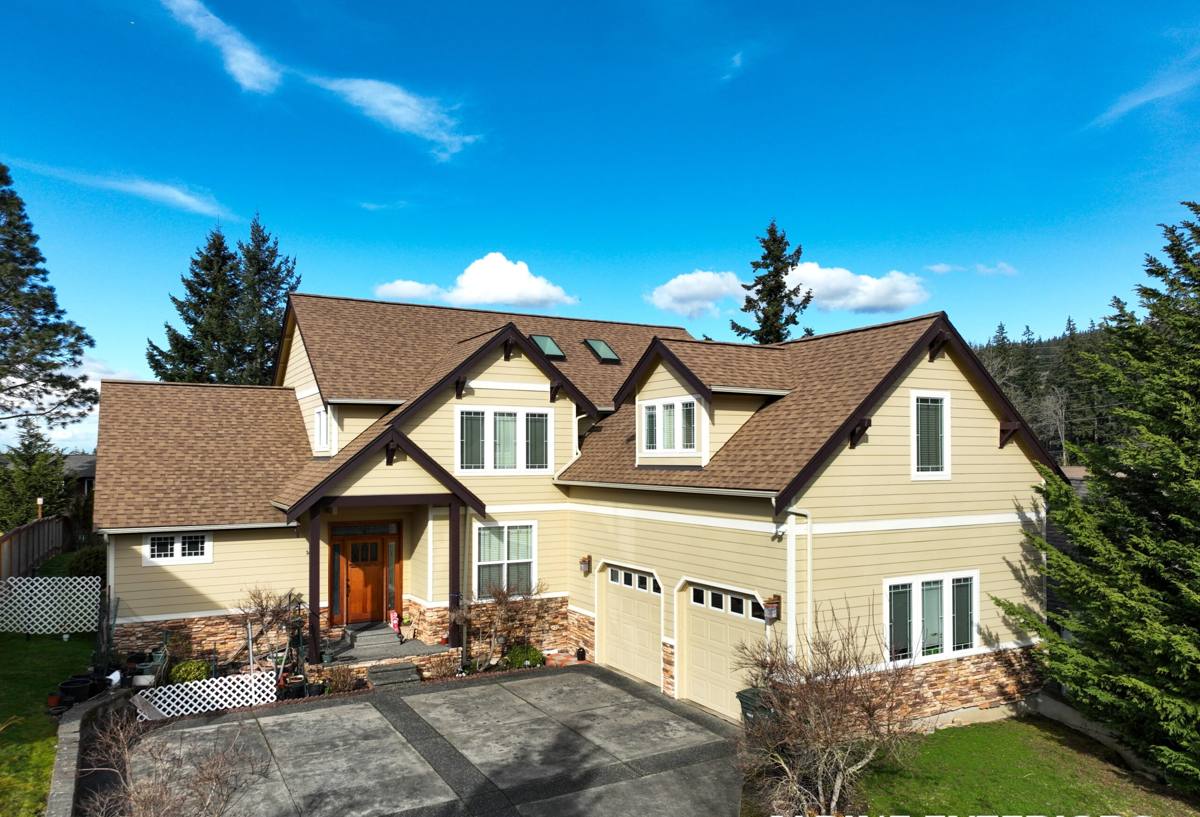
What Siding in This Part of Pinellas County Has to Survive
Hurricane-Force Wind Loads
Oldsmar is far enough inland to avoid direct storm surge in most events, but it is not sheltered from wind. Siding has to stay fastened through sustained gusts and the debris impact that comes with them, and it has to do that without the panels loosening, warping, or popping fasteners over repeated storm seasons — not just surviving one storm, but holding up through a decade of them.
Year-Round UV Exposure
Florida sun is stronger and more constant than in most of the country. Paint film on wood or engineered wood siding breaks down faster here, and any product with a factory finish that isn't formulated for this level of UV will fade or chalk noticeably within a few years.
Wind-Driven Rain and Moisture Intrusion
Rain in this area rarely falls straight down during a storm — it's pushed at an angle into wall surfaces, seams, and penetrations. Siding materials that swell, wick moisture, or rely on paint film alone to stay sealed are working against the local weather pattern from day one.
Salt Air and Humidity
Even a few miles from open water, salt air combined with Pinellas County's humidity accelerates corrosion of fasteners and trim hardware and speeds up the breakdown of materials that aren't dimensionally stable in fluctuating moisture conditions.
Why We Install James Hardie Fiber Cement Here
We install James Hardie fiber cement siding exclusively — not vinyl, not LP SmartSide, not Cemplank, not Allura, not primed spruce or cedar. That's a deliberate standard, not a brand preference. Fiber cement is non-combustible, dimensionally stable in humidity swings, and doesn't attract the moisture-related wood-fiber breakdown that engineered wood products can be prone to over time in a coastal-adjacent climate. James Hardie also produces climate-engineered HZ product lines specifically built for high-humidity, high-moisture regions like the Gulf Coast, and backs its ColorPlus factory finish with UV-resistant coatings designed to hold color far longer than field-applied paint. For a Forest Lakes home taking on wind, sun, rain, and salt air simultaneously, that combination matters more than it does in a drier, milder climate.
We're not going to tell you competing products are worthless — some perform reasonably well when installed and maintained correctly. But after years of doing this work in Pinellas County conditions, we made a professional call: we only put our name behind the system we trust to hold up here, and that's James Hardie.
What a Correct Siding Installation Actually Involves
Siding installation quality is decided in details most homeowners never see once the job is finished. In this climate, skipping any of these steps shows up as a callback within a few years, not decades.
Substrate and Moisture Barrier
Before any siding goes up, the wall sheathing needs to be sound and a proper weather-resistant barrier installed correctly — lapped in the right direction, sealed at seams, and integrated with window and door flashing so water is directed out, not trapped behind the siding.
Fastening and Clearances
James Hardie publishes specific fastener types, spacing, and penetration depth requirements, along with minimum clearances from grade, roof lines, and decks. In a high-wind area, correct fastening isn't optional — it's the difference between siding that stays put through a tropical storm and siding that doesn't.
Flashing and Joints
Butt joints, inside and outside corners, and every point where siding meets a window, door, or roofline need proper flashing and gapping per manufacturer specification. This is where wind-driven rain finds its way in if it's done wrong, and it's the single most common shortcut on a rushed job.
Finish and Caulking
ColorPlus factory-finished panels arrive with the color and coating already cured, which means field touch-up should be minimal and done with manufacturer-matched product — not repainted wholesale, which can void warranty coverage. Caulking at joints and penetrations has to use a sealant rated for the movement and exposure this climate produces.
Our Installation Process for Forest Lakes Homes
- On-site inspection and measurement — we assess the existing wall condition, look for any moisture or substrate damage that needs to be addressed before new siding goes on, and take exact measurements.
- Material selection — choosing the right Hardie product line, plank exposure, and ColorPlus color for the home's style and the neighborhood's look.
- Tear-off and substrate prep — removing the old siding down to sound sheathing and repairing any damaged framing or decking before it's covered up again.
- Weather barrier installation — installing and properly lapping a code-compliant moisture barrier.
- Siding installation to manufacturer spec — following James Hardie's fastening, clearance, and flashing requirements exactly, not "close enough."
- Trim, corners, and detail work — finishing corners, window and door surrounds, and transitions cleanly and weathertight.
- Final walkthrough — inspecting the completed installation with the homeowner before calling the job done.
Cost Factors for a Forest Lakes Siding Project
Every home is different, so we won't quote a number without seeing the property, but these are the factors that most often move the scope and cost of a siding installation in this area:
| Factor | Why It Matters |
|---|---|
| Home size and wall complexity | More corners, gables, and dormers mean more cutting, flashing, and labor time. |
| Substrate condition | Hidden moisture damage found during tear-off adds repair work before new siding can go on. |
| Existing siding type | Removing old vinyl, wood, or engineered wood siding takes different time and disposal effort than a like-for-like tear-off. |
| Product line and exposure | Different Hardie plank styles, textures, and reveal widths carry different material costs. |
| Trim and accessory scope | Corner boards, fascia, soffit, and window trim replacement add to the total project beyond the field siding. |
| Access and site conditions | Fencing, landscaping, pool cages, and tight lot lines around a home can affect labor time. |
Why Hiring a Crew That Already Works in Forest Lakes Matters
Siding installation isn't just a manufacturer spec sheet — it's also permitting, inspection, and knowing what a specific area's housing stock tends to need. A crew that regularly works in Oldsmar knows the permitting process through the local building department, understands the age and construction style common to homes in and around Forest Lakes, and isn't guessing at how the neighborhood's wind exposure and tree cover affect a given install. That familiarity shows up in fewer surprises during tear-off, faster scheduling around Pinellas County's permitting timelines, and a crew that can talk through the job in specific terms instead of generalities.
It also matters after the installation is complete. A local crew is easy to reach if a question comes up post-storm season, rather than a company that did one job in the area and moved on.
After Installation: Keeping Your New Siding Performing
James Hardie siding is low-maintenance, not no-maintenance. A short annual routine keeps it performing the way it's designed to in this climate:
- Rinse siding periodically to clear salt residue and airborne grime, especially on sides of the home facing prevailing wind and rain.
- Inspect caulking at joints, corners, and penetrations once a year and before hurricane season, and re-caulk any cracked or separated sections.
- Check for and clear any organic debris or landscaping buildup against the base of the siding, which traps moisture against the material.
- After any major storm, walk the exterior and look for loosened panels, damaged trim, or fastener issues rather than waiting until the next visible problem shows up.
- Use manufacturer-matched touch-up paint only where needed, rather than repainting entire sections, to preserve the factory finish and warranty coverage.
If you're weighing a siding replacement or new installation for a home in Forest Lakes, we're happy to take a look and walk you through exactly what your home needs — no pressure, no generic sales pitch. Use the form below to request a free estimate.