 Oldsmar Siding
 Siding Built for Countryside's Climate, Not Just Its Curb Appeal
Countryside sits inland enough that homeowners sometimes assume they're spared the worst of what Pinellas County throws at exterior siding. That's only partly true. The neighborhood still gets the same tropical sun load, the same wind-driven rain off summer storms, and the same salt-laden air that drifts across the whole county from Tampa Bay and the Gulf. Add hurricane-force wind events to that mix, and you have a climate that is genuinely hard on siding — regardless of how many miles inland a house sits.
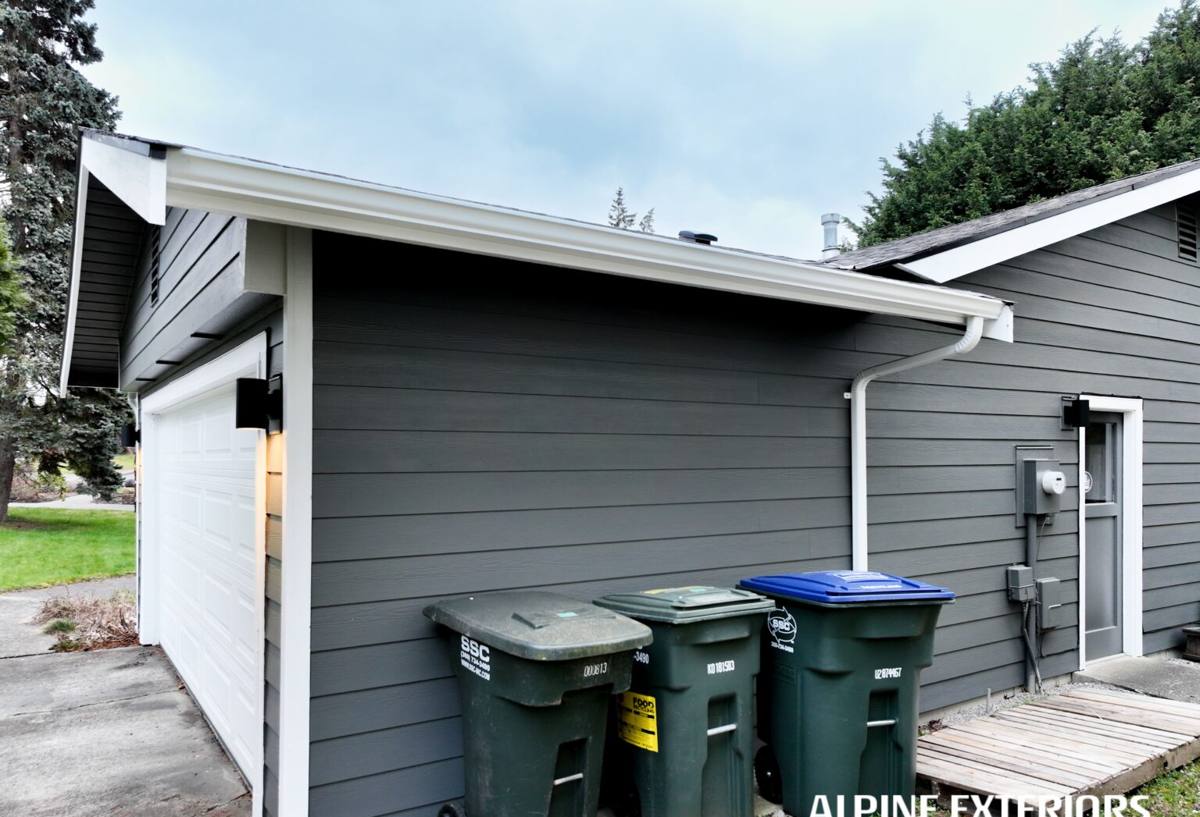
We install James Hardie fiber cement siding exclusively, and Countryside is one of the communities we work in regularly. This page is about what that actually means for a home here: what the local climate demands from siding, what a correct Hardie installation looks like, and how our process is built around the realities of this specific area — not a generic national playbook.
What Countryside Homes Are Actually Up Against
UV Exposure, Every Single Day
Florida sun is relentless and Countryside gets no break from it. Cheaper siding materials — thin vinyl, unprimed or poorly finished wood substitutes — chalk, fade, and go brittle under sustained UV. Color fades unevenly depending on sun exposure per elevation, so a house can end up with a south wall that looks noticeably older than the rest within a few years.
Wind-Driven Rain
Pinellas County storms rarely arrive as gentle vertical rain. Wind pushes water sideways and upward into laps, seams, and penetrations — around windows, at corner boards, behind trim. Siding that isn't installed with the right clearances and flashing details will eventually let that water behind the cladding, where it causes rot, mold, and sheathing damage long before anyone sees a stain on the outside.
Hurricane and Tropical-Storm Wind Loads
Every home in this part of Florida has to be considered against wind uplift, not just rain. Siding that isn't fastened to spec — wrong nail pattern, wrong fastener type, panels hung too tight or too loose — is one of the more common causes of siding failure during named storms, and it's rarely visible until wind actually tests it.
Salt Air
You don't have to be beachfront to feel the effects of salt air in Pinellas County. It travels. Salt accelerates corrosion of exposed metal fasteners and trim, and it degrades weaker paint systems faster than inland climates elsewhere in the country. This is one of the biggest reasons factory-applied, baked-on finishes outperform field-applied paint here.
Why James Hardie Specifically Fits This Climate
We don't install James Hardie because it's the only fiber cement brand on the market — there are others. We install it because, installed correctly, it addresses the specific failure points listed above better than the alternatives we've chosen not to carry.
- Non-combustible core: fiber cement doesn't feed a fire the way some engineered wood products can, which matters for insurance and for peace of mind.
- ColorPlus factory finish: a baked-on finish applied and cured under controlled conditions holds color and resists the chalking and fading that field-painted or thin vinyl products struggle with under constant Florida sun.
- HZ5 climate engineering: James Hardie manufactures regional formulations, and the HZ5 line is engineered for hot, humid, storm-exposed climates like ours — it's not a one-size-fits-all product shipped in from a cooler, drier region.
- Moisture behavior: fiber cement doesn't absorb and swell the way wood-based sidings can, which matters enormously in a climate where wind-driven rain finds every gap.
- Transferable warranty: a real, documented warranty that can move with the home if it's sold — something worth confirming with any product before it goes on your walls.
What a Correct Installation Actually Involves
Hardie siding is only as good as the installation behind it. The product itself is engineered well; most of the failures we see on older or poorly-done jobs trace back to installation shortcuts, not the material. A correct job in a climate like Countryside's includes:
Weather-Resistive Barrier and Flashing First
Before a single piece of siding goes up, the house needs a continuous, properly lapped weather-resistive barrier and correctly integrated flashing at every window, door, and penetration. This is the layer that actually keeps wind-driven rain out — the siding is the second line of defense, not the first.
Fastener Type, Placement, and Spacing
James Hardie specifies fastener type, penetration depth, and spacing for a reason — it's what gives the wall its wind resistance. Corrosion-resistant fasteners matter here specifically because of salt air; the wrong fastener can start corroding years before the siding itself shows any wear.
Clearances and Gaps
Hardie panels need proper clearance from rooflines, decks, and grade, and correct gapping at butt joints to allow for expansion without trapping water. Panels installed too tight — a common shortcut — are one of the most frequent causes of buckling and moisture intrusion we find when we're asked to look at an existing job.
Caulking and Sealant Discipline
Not every joint should be caulked — some are designed to be left open and shingled to shed water — but the joints that do need sealant need the right product, applied correctly. Over-caulking is almost as common a mistake as under-caulking, and both cause problems down the line.
Trim and Corner Detailing
Corners, trim boards, and transitions are where most water intrusion actually starts. These details take longer to do right, which is exactly why they're the first thing cut on a rushed job.
Our Process for a Countryside Job
- On-site assessment: we walk the exterior, check existing sheathing and moisture conditions, and identify problem areas — old flashing, prior water damage, rot — before quoting anything.
- Tear-off and substrate check: old siding comes off and we inspect what's underneath. Damaged sheathing gets addressed before new siding ever goes up; covering a problem is not an option we offer.
- Weather barrier and flashing installation: a continuous, correctly lapped barrier and integrated flashing at every opening.
- Hardie panel installation to manufacturer spec: correct fasteners, correct spacing, correct clearances — for this climate zone specifically.
- Trim, corners, and joint detailing: the part of the job that determines how the house performs in a storm five years from now, not just how it looks on install day.
- Final walkthrough: we go over the finished job with the homeowner before we consider it done.
Why a Crew That Already Works This Area Matters
A contractor who works Pinellas County regularly already knows what the salt air, UV, and storm exposure here do to a house over time — they're not learning it on your home. That familiarity shows up in small decisions: which fastener to spec, how tight to run a gap, where to add extra flashing attention. It also means faster response for follow-up questions or storm-related concerns after the job is done, since we're not driving in from across the state.
Comparing Siding Options for a Climate Like This
| Factor | James Hardie Fiber Cement | Standard Vinyl | Engineered Wood (e.g., LP SmartSide) |
|---|---|---|---|
| UV/fade resistance | Baked-on ColorPlus finish, engineered for sustained sun exposure | Can chalk and fade, especially on south/west elevations | Depends on field-applied paint; needs repainting over time |
| Wind resistance | High, when fastened to spec for hurricane-prone zones | Lower impact and wind resistance than fiber cement | Moderate; performance tied closely to installation quality |
| Moisture behavior | Does not absorb and swell like wood-based products | Doesn't absorb water, but can warp/buckle in heat | Wood core can swell or delaminate if moisture reaches it |
| Fire performance | Non-combustible core | Combustible | Combustible |
| Maintenance | Low; factory finish reduces repainting needs | Low, but can look worn/faded over time | Higher; periodic painting and sealing typically needed |
This isn't a claim that other products are unusable — vinyl and engineered wood both have a place in the market. It's why, after years of installing exteriors in this climate, we made James Hardie the only product we put our name behind.
Signs a Countryside Home May Need Attention
- Visible warping, bubbling, or buckling in siding panels
- Soft spots or discoloration near window and door trim
- Chalky residue or noticeably uneven fading between walls
- Gaps opening up at corner boards or butt joints
- Rust streaking from fasteners or trim hardware
- Musty smell or visible mold near exterior walls indoors
Any one of these on its own isn't necessarily an emergency, but they're worth having looked at before the next storm season rather than after.
What to Ask Before Hiring Anyone for This Kind of Work
- Are you a certified/authorized James Hardie installer, and can you explain your fastening spec for this wind zone?
- What weather-resistive barrier and flashing details do you use around windows and doors?
- Will you inspect and address sheathing condition before installing new siding, not just cover it?
- What does the manufacturer's warranty actually cover, and is it transferable if I sell the home?
- Can you walk me through your process for corners, trim, and joint gapping specifically?
If your Countryside home is due for new siding, or you just want an honest opinion on what condition your current exterior is really in, we're happy to take a look. Request a free, no-pressure estimate using the form below and we'll walk you through what we find.