 Oldsmar Siding
 Why Largo Homes Need Windows Built for This Corner of Florida
Largo sits inland from the open Gulf, but that doesn't shield it from what coastal Pinellas County weather does to a house. Wind-driven rain finds gaps around old frames. Salt-laden air corrodes hardware and fasteners even a few miles from the water. Year-round UV bakes vinyl, fades interiors, and breaks down seals faster than it would in a milder climate. And every hurricane season, Largo homes sit under the same wind-load requirements as the rest of the county. A window that was fine when it was installed twenty years ago is often not the window that Largo's climate calls for today.
Custom windows aren't a luxury upsell here — they're often the only correct answer when a house has settled, when openings are slightly out of square, or when the original windows were never rated for the wind and water exposure this area actually sees. Our crew works out of Oldsmar and covers Largo regularly, which means we're not learning this county's quirks on your job.
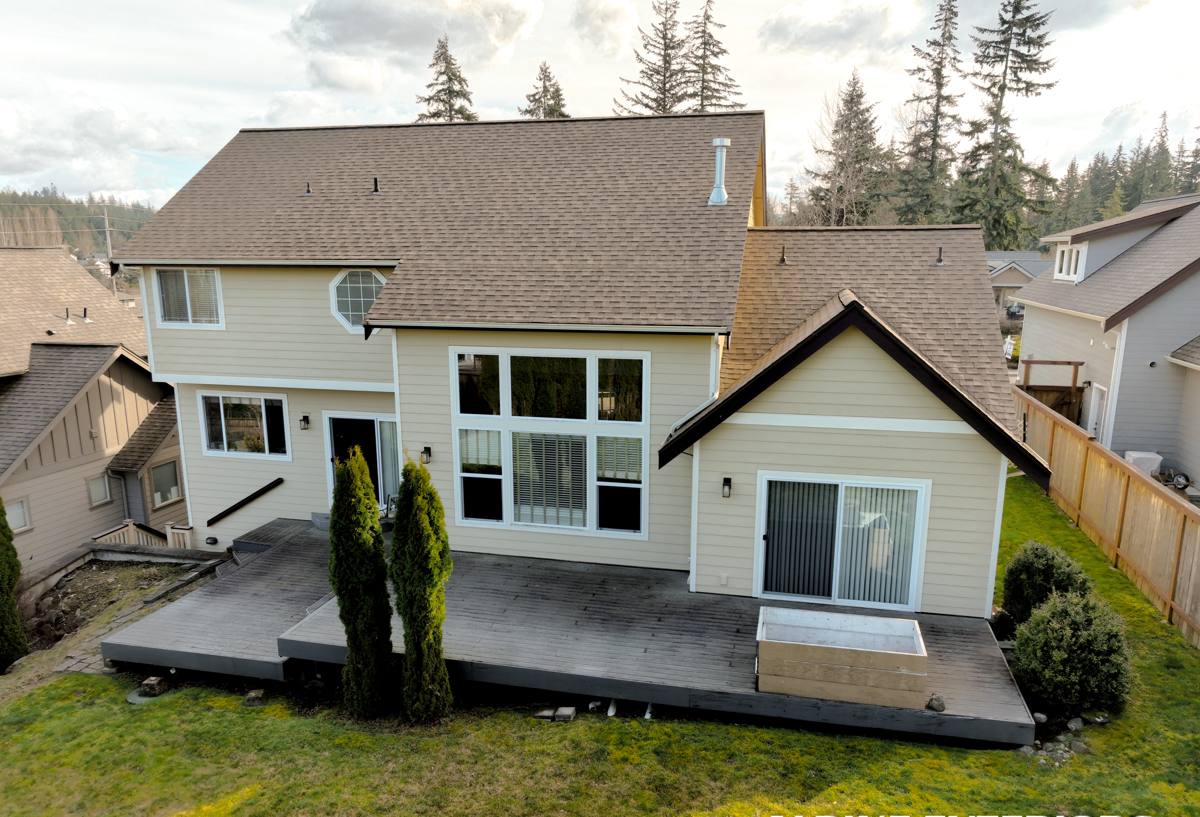
What "Custom" Actually Means When Every Opening Is Different
"Custom" doesn't necessarily mean expensive or unusual-looking. It means the window is built and installed to match the actual opening in your wall, not a generic stock size with shims and caulk making up the difference. Largo has a wide mix of housing stock — older block homes, additions built at different times, and openings that have moved slightly over the decades. Stock-size windows forced into openings that don't quite match are one of the most common causes of leaks and premature failure we see.
Custom sizing also matters for:
- Odd or non-standard openings in older block construction
- Additions or renovated rooms where the opening doesn't match a catalog size
- Matching sightlines and grid patterns across the front of the house
- Bay, picture, or specialty shapes that need to be built to exact dimensions
- Replacing a single failed window without mismatching the rest of the house
We also distinguish between retrofit (insert) replacement, where the new frame goes inside the existing opening, and full-frame replacement, where we remove down to the rough opening. Retrofit is faster and less invasive when the existing frame is sound. Full-frame is the right call when there's rot, corrosion, or water damage behind the old frame — which shows up more often in coastal Pinellas homes than people expect.
Frame Material and the Salt Air Problem
Every frame material handles Largo's combination of wind, sun, and salt air differently. There's no single "best" material for every house — it depends on your budget, your home's style, and how exposed the house is to prevailing wind and moisture.
| Material | Wind & Impact Performance | Salt Air / Corrosion Resistance | Maintenance | General Cost Tier |
|---|---|---|---|---|
| Vinyl | Good, especially in impact-rated configurations | Strong — won't corrode or rust | Low — no painting, occasional cleaning | Budget-friendly to mid-range |
| Aluminum | Very good structural strength for large openings | Needs a quality coating; raw aluminum corrodes in salt air over time | Moderate — coatings need to be maintained | Mid-range |
| Fiberglass | Excellent, very stable under wind load | Excellent — highly resistant to corrosion and UV breakdown | Low | Premium |
We don't push one material as "the" answer. On a lot of Largo jobs, vinyl impact-rated windows hit the right balance of performance and cost. On homes closer to open water or with larger openings, fiberglass or a well-coated aluminum system can be worth the added cost. We'll walk through the honest trade-offs for your specific house rather than defaulting to whatever is easiest to sell.
Impact Glass, Wind Protection, and What Meets Code
Pinellas County falls within Florida's wind-borne debris region, which means new and replacement windows generally need to either be impact-rated or paired with approved storm protection like shutters. Impact-rated windows use laminated glass with an interlayer that holds together under impact, rather than shattering — that's what keeps wind and water out of the house if debris hits the glass during a storm.
The alternative — standard glass plus separate shutters or panels — can meet code, but it means someone has to actually deploy that protection before a storm arrives, every time. A lot of Largo homeowners choose impact glass specifically so that's one less thing to manage when a storm is bearing down. It's also worth knowing that impact-rated windows typically perform better for everyday noise reduction and forced-entry resistance, not just hurricane events — a side benefit most people don't think about until after installation.
Whichever route you choose, the window has to be rated for the wind pressures required for your specific house — pressure ratings vary by elevation, exposure, and where on the house the opening sits. This isn't a place to guess; it's engineered per opening.
Low-E Glass and Cutting Heat Load
Beyond wind, the sun is the other constant factor in this climate. Low-emissivity (Low-E) coatings on the glass reflect a significant portion of solar heat and UV before it enters the house, which helps with both cooling costs and fading of floors, furniture, and fabrics. Combined with proper tint and spacer systems, a well-specified Low-E package makes a noticeable difference in a Florida house that gets sun most of the year. This is a spec decision worth discussing up front — it's far cheaper to choose the right glass package at installation than to add solar film later.
How We Approach a Largo Window Job
- On-site assessment of every opening — measurements, condition of the existing frame and substrate, and any water intrusion or rot found behind the old window
- Review of wind-load and code requirements for your specific address and elevation
- Material and glass package selection based on your budget, exposure, and the look you want
- Custom fabrication or ordering to the exact opening dimensions — not forcing a stock size to fit
- Removal of old units and repair of any substrate damage found underneath before the new window goes in
- Installation with proper flashing, sealants, and fastening schedules rated for the required wind pressures
- Final inspection and walkthrough, including how to operate and maintain the new hardware
The step most contractors rush is repairing what's found behind the old window once it's out. Skipping that step and just caulking a new window into a compromised opening is how leaks come back within a year or two. We don't install over a problem — we fix it first.
Permits, Code, and Why Local Experience Matters
Window replacement in Pinellas County requires a permit, and depending on where a Largo property sits, that permit gets pulled through the City of Largo or through Pinellas County directly. Requirements around wind ratings, product approvals, and inspections can vary slightly depending on jurisdiction, and getting it wrong means delays or a failed inspection. We handle the permitting and coordinate the required inspections as part of the job, not as an extra someone has to chase down.
Because we work Largo regularly out of our Oldsmar base, we already know the local inspection process and what documentation each job needs — product approval numbers, installation instructions, and the paperwork tied to impact-rated products. That's not something a crew unfamiliar with this county picks up on the first try.
What to Look for When Hiring a Window Contractor
- Active Florida contractor license appropriate for the scope of work
- General liability insurance and workers' compensation coverage
- Willingness to pull permits themselves rather than asking you to do it
- Product approval documentation for the specific windows being installed
- A clear explanation of wind-load requirements for your address, not a generic answer
- Written scope covering removal, disposal, substrate repair, and warranty terms
Be cautious of any bid that skips the wind-pressure and permitting conversation entirely, or that quotes a price before actually measuring your openings. Those are usually the jobs that run into trouble at inspection.
Living With New Windows in a Coastal Climate
Even the right window needs basic upkeep in this environment. Rinsing frames and hardware periodically cuts down on salt buildup, especially on homes closer to open water. Weep holes should stay clear so water can drain properly instead of pooling in the track. Weatherstripping and seals are worth a visual check each year, since UV exposure breaks down rubber and vinyl components faster here than in most parts of the country. None of this is heavy maintenance — it's the difference between a window that performs well for decades and one that quietly degrades because nobody looked at it.
If you're weighing custom window options for a Largo home, we're happy to walk the property, look at your actual openings, and give you a straightforward, no-pressure estimate — just fill out the form below.