 Oldsmar Siding
 Storm Damage Roof Repair Built for Largo's Weather
Largo sits in the middle of Pinellas County, close enough to Tampa Bay and the Gulf to catch the worst of what Florida weather throws around — hurricane-force wind gusts, sideways rain that finds every gap in a roof system, and months of intense UV that quietly breaks down roofing materials between storms. If you own a home in or near Largo, your roof isn't just shedding water. It's absorbing years of abuse that homeowners further inland never have to think about. A roof that looks fine from the driveway can already have compromised flashing, lifted shingles, or a soaked underlayment after a rough system moves through.
This page covers what storm damage roof repair actually looks like for a Largo home — what causes it, how to know you have it, what a correct repair involves, and why the crew you hire matters as much as the materials they use.
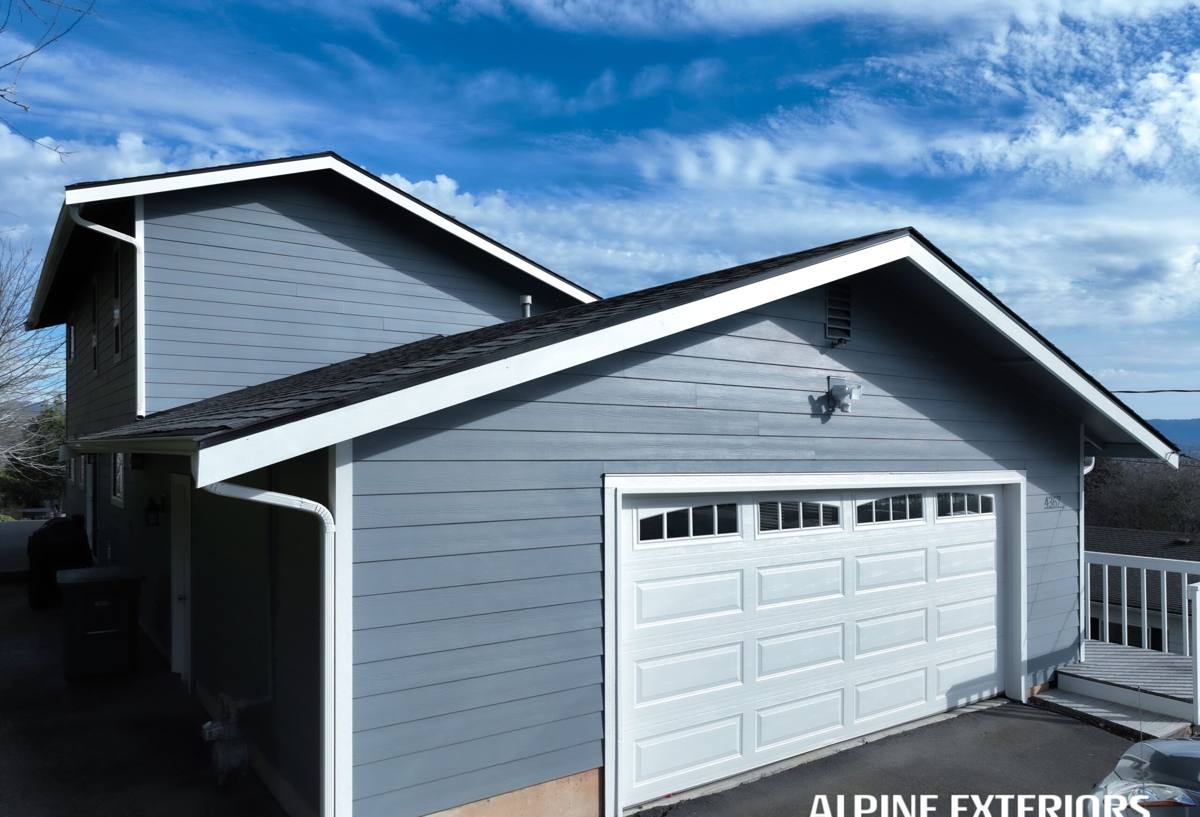
What Pinellas County Storms Actually Do to a Roof
Not every storm produces the same kind of damage, and knowing the difference helps you understand what a repair crew is actually looking for once they're on your roof.
Wind
Sustained wind and gusts don't just rip shingles off outright — more often they lift the edges just enough to break the seal strip underneath, without you ever seeing a shingle blow away. Once that seal is broken, wind-driven rain gets underneath on the next storm, even a mild one.
Wind-Driven Rain
Rain that's moving horizontally behaves differently than rain falling straight down. It gets pushed up under shingle edges, around vent boots, and through any gap in flashing that would never leak in a normal downpour. This is one of the most common causes of interior water stains after a storm that homeowners assume was a "leak that just started" when it's actually storm intrusion.
Debris Impact
Branches, loose roofing from neighboring structures, and airborne debris during high wind events can bruise or puncture shingles, crack tile, or dent metal roofing. Impact damage isn't always visible from the ground and often isn't obvious until it's been leaking for a while.
UV and Heat Cycling
This one isn't storm-specific, but it sets the stage for storm damage. Florida sun bakes roofing materials year-round, drying out sealants and making shingles more brittle. A roof that's already UV-stressed is far more likely to sustain real damage in wind that a newer, more flexible roof would shrug off.
Salt Air
Largo's proximity to the coast means metal fasteners, flashing, and vent components are exposed to salt-laden air that accelerates corrosion. Corroded fasteners and flashing are weak points that fail exactly when a storm puts stress on them.
Signs Your Roof Needs a Storm Damage Inspection
Some damage is obvious. A lot of it isn't. Here's what we tell Largo homeowners to check for after any significant wind or rain event:
- Shingles that look curled, cupped, or slightly lifted at the edges, even if none are missing
- Granules collecting in gutters or at downspout discharge points
- Water stains on interior ceilings or upper walls, especially near exterior corners
- Soft spots when walking the attic decking, or visible daylight through the roof deck
- Dented or cracked vent caps, pipe boots, or ridge caps
- Flashing that's visibly bent, separated, or pulled away from a wall or chimney
- Musty smell in the attic, which often shows up before a visible stain does
- Debris marks or bruising on shingles from branches or wind-blown material
If you notice two or more of these after a storm, it's worth getting a roof looked at before the next system rolls through — not after the next leak shows up on your ceiling.
How We Handle Storm Damage Repair in Largo
1. On-Site Inspection
We walk the roof and the attic, not just one or the other. Ground-level or drone-only inspections miss the underlayment and decking issues that actually determine whether you need a repair or something more extensive. We document what we find with photos so you have a clear record, whether or not you end up filing an insurance claim.
2. Honest Scope of Work
We tell you what's actually damaged and what isn't. Storm damage repair should fix the specific problem — a compromised section of shingles, damaged flashing, a torn vent boot — not turn into an upsell for a full roof you don't need yet. If the damage is limited, the repair should be limited too.
3. Matching Materials Correctly
Shingle color and profile changes over time with sun exposure, so a repair that uses the wrong batch stands out. We source materials that match as closely as possible and explain up front if an exact match isn't realistic on an older roof.
4. Proper Flashing and Underlayment Work
Most repeat leaks after a "repair" happen because someone patched the shingles but never addressed the flashing or underlayment underneath. We treat those layers as part of the repair, not an optional extra, because that's usually where wind-driven rain actually got in.
5. Final Walkthrough
We show you what was repaired and why, including anything we found that's worth watching but didn't need immediate work. No surprise line items after the fact.
Repair or Replace? How We Help You Decide
Not every storm-damaged roof needs to come off. The right call depends on the roof's age, how widespread the damage is, and what condition the roof was in before the storm hit. This table covers the general factors we weigh:
| Factor | Leans Toward Repair | Leans Toward Replacement |
|---|---|---|
| Roof age | Under 12-15 years, still within expected lifespan | Near or past the material's typical service life |
| Extent of damage | Isolated to one section or slope | Spread across multiple slopes or the whole roof |
| Deck condition | Solid decking, no rot or soft spots | Widespread rot, soft decking, or multiple soft spots |
| Prior repair history | First significant repair needed | Multiple past patches and repeat leak calls |
| Material availability | Matching shingles/tile still obtainable | Discontinued product, no reasonable match |
We'll walk you through where your roof lands on these factors rather than defaulting to the most expensive option. A lot of storm damage in Largo is genuinely repairable, and we'll say so when it is.
What a Proper Storm Repair Costs to Get Right
Pricing for storm damage repair varies a lot based on scope, roof pitch and access, and material type, so we won't quote a number without seeing the roof. What we can tell you is what drives the range, so you know what you're paying for:
- Size of the damaged area and how many separate sections need attention
- Whether flashing, vent boots, or underlayment need replacement in addition to surface material
- Roof pitch and accessibility — steeper or multi-story roofs take longer and require more safety setup
- Material type — asphalt shingle, tile, and metal repairs all involve different labor and material costs
- Whether decking underneath needs partial replacement due to water intrusion
Repairs done cheaply and quickly — patching over a problem instead of into it — tend to fail again in the next storm, which ends up costing more over time than doing the repair correctly the first time.
Working With Your Insurance on a Storm Claim
If your storm damage is significant enough to involve homeowners insurance, documentation matters. We photograph the damage before touching anything, note the likely cause, and provide a written scope of the repair. That said, we work for you, not the insurance company — our job is to give you an honest assessment of the roof, and what you do with that information for a claim is your call. We're happy to be on-site or available if an adjuster has questions about the roofing work itself.
Why It Matters That We Already Work in Largo
A crew that regularly works Largo roofs isn't guessing at what your home is up against. We know that a roof here deals with a different combination of stress than one further inland — more direct exposure to Gulf-driven storm systems, more salt air working on fasteners and flashing, and long stretches of intense sun between storms that dries out sealants faster than manufacturer literature usually accounts for. That local pattern recognition affects real decisions: which flashing details tend to fail first on homes in this area, which vent boot materials hold up better against UV cycling here, and where wind-driven rain typically finds its way in during a Pinellas County storm versus a straight-down summer downpour.
It also means we're not learning permitting and inspection expectations for the first time on your job. Storm repair work in this county often needs to be done right and documented properly, and familiarity with that process keeps your repair moving instead of stalling on paperwork.
Reducing Storm Damage Before the Next System Arrives
Repair work fixes what's already happened. A few habits reduce how much damage the next storm causes in the first place:
Trim Overhanging Branches
Branches near the roofline are one of the most common sources of impact damage during high wind. Keeping trees trimmed back reduces that risk directly.
Check Flashing and Sealant Annually
Salt air and UV both work on sealants year-round. A yearly check catches dried-out or cracked sealant before it becomes an entry point.
Clear Gutters Before Storm Season
Clogged gutters cause water to back up under the roof edge during heavy rain, which compounds any existing wind or flashing damage.
Address Minor Damage Promptly
A few lifted shingles left alone after one storm are a much bigger problem after the next one. Small repairs done early are cheaper and simpler than the water damage that follows delay.
Get a Free, No-Pressure Estimate
If your Largo home took a hit in a recent storm, or you just want a roof checked over before the next one arrives, we're glad to come take a look. There's no obligation and no pressure — just an honest read on where your roof stands and what, if anything, it needs. Fill out the form below to get a free estimate.