 Oldsmar Siding
 New Roof Installation for Lutz Homes
A full roof replacement is one of the biggest decisions a homeowner makes, and it's not one to rush into or hand off to whoever happens to be knocking on doors after the last storm. Lutz sits inland from Tampa Bay, but that doesn't mean the roof over your head gets an easy ride. Between hurricane-force wind events, punishing year-round UV, wind-driven rain, and the salt-laden air that reaches well past the immediate coastline, roofs in this part of Florida work harder than roofs almost anywhere else in the country. When it's time to replace one, the installation itself — not just the shingle brand — is what decides whether that roof holds up for its full service life or starts giving you trouble in year eight.
This page covers what a correct roof installation looks like for a Lutz home, what our process involves, and why local experience matters more than most homeowners realize until something goes wrong.
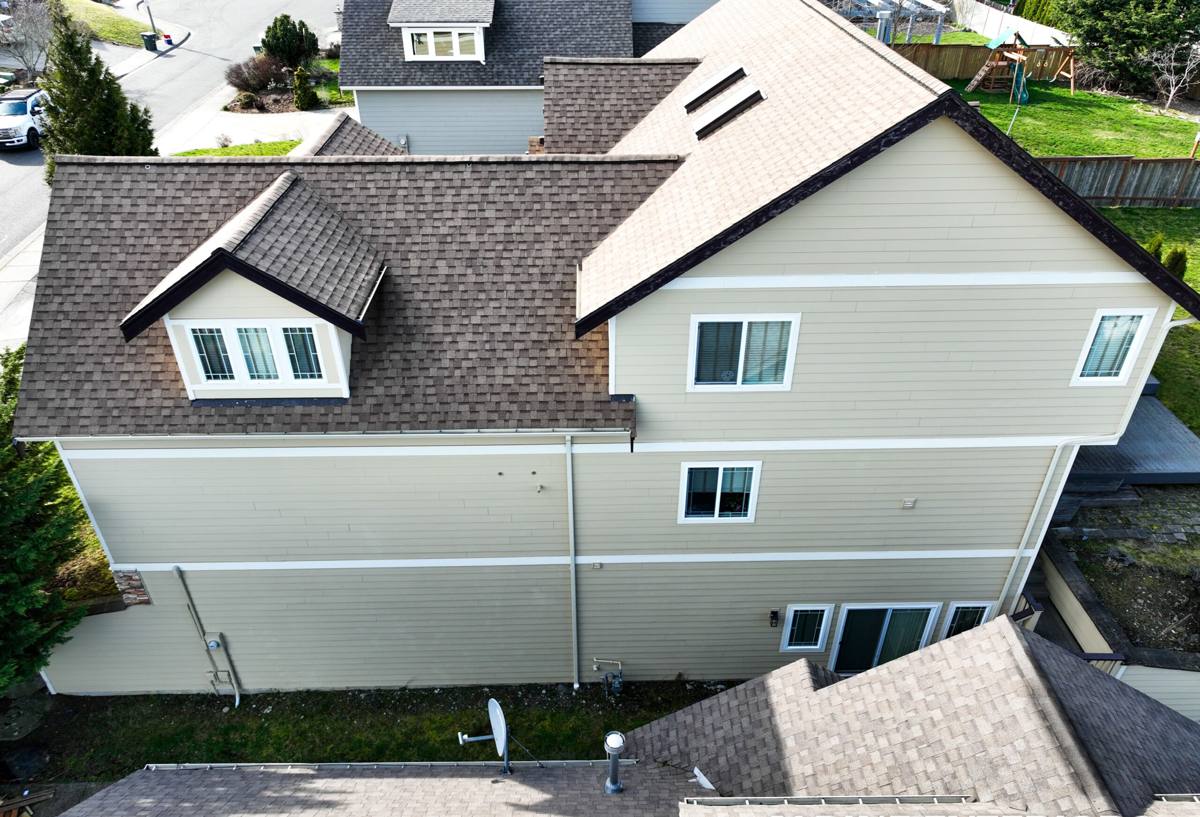
Why Lutz Roofs Take a Beating
The roof over a Lutz home isn't just shedding rain. It's absorbing a combination of stresses that most parts of the country never deal with at once:
- Hurricane-force wind: Uplift pressure at the roof's edges and corners is the number one cause of storm roof failure — not the field of the roof, but the perimeter and ridge lines where fasteners and flashing take the load.
- Intense, year-round UV: Florida's sun breaks down asphalt shingle oils and degrades underlayment faster than in northern climates, which is why manufacturer warranties often assume conditions this region simply doesn't have.
- Wind-driven rain: Rain that comes in sideways during a storm doesn't just test the shingles — it tests every seam, flashing detail, and penetration point on the roof. A roof that's watertight in a normal downpour can still leak in a wind-driven one if those details weren't done right.
- Salt air: Even away from the immediate coastline, airborne salt accelerates corrosion on exposed metal — nails, flashing, vents, and fasteners — which is why material choice for hardware matters as much as the shingle itself.
None of this means a roof in Lutz is destined to fail early. It means the margin for sloppy installation is smaller here than in most places, and the details that get skipped on a rushed job are exactly the details that cause problems during the next big storm.
What a Correct Installation Actually Involves
A roof is a system, not a single product. The shingle (or metal panel, or tile) gets all the attention because it's what you see, but it's the layers underneath and the fastening details that determine whether the roof survives its first real hurricane season.
Tear-Off and Deck Inspection
We don't install over an old roof. A full tear-off lets us inspect the deck itself — the plywood or OSB sheathing that everything else is fastened to. Soft spots, water staining, delaminated panels, or old fastener patterns that don't meet current code all get addressed before a single new layer goes down. Skipping this step is one of the most common shortcuts in the industry, and it's also the reason some "new" roofs fail from the deck up rather than the shingle down.
Underlayment
Underlayment is the roof's backup waterproofing layer, and in a climate with wind-driven rain, it's not optional insurance — it's a working part of the system. We use synthetic or self-adhering underlayment appropriate to the roof type and slope, with attention to how it's lapped and sealed at seams, valleys, and edges.
Flashing and Penetrations
Chimneys, vent stacks, skylights, and roof-to-wall transitions are where the overwhelming majority of roof leaks originate — not the open field of shingles. Correct flashing means new metal (not reused, corroded pieces), proper step-flashing at walls, and sealant used as a secondary defense rather than the primary one.
Fastening for Wind Uplift
This is the detail that separates a roof that survives a named storm from one that doesn't. Nail pattern, nail placement, and fastener count at eaves, rakes, and ridges all affect a roof's wind rating in practice, not just on paper. Florida Building Code sets minimum requirements for wind-exposed installations, and in a hurricane-prone county like this one, we don't treat those minimums as a ceiling to hit — they're the starting point.
Ventilation
A hot, poorly ventilated attic shortens shingle life and can void warranty coverage. Balanced intake and exhaust ventilation keeps attic temperatures in check and reduces the moisture buildup that leads to deck rot from the inside.
Roofing Material Options for Lutz Homes
There's no single "best" roofing material for every home — the right choice depends on your roof's slope, your home's style, your budget, and how long you plan to stay in the house. Here's how the common options compare for this climate:
| Material | Typical Lifespan | Wind Performance | Considerations for This Climate |
|---|---|---|---|
| Architectural asphalt shingle | 20–30 years | Good, with proper nailing and rated products | Most common choice; UV-resistant granules and proper ventilation extend life |
| 3-tab asphalt shingle | 15–20 years | Lower wind rating than architectural | Lower upfront cost but shorter service life in high-UV, high-wind conditions |
| Standing seam metal | 40–50+ years | Excellent when properly installed | Higher upfront cost, strong resale value, reflects heat well |
| Concrete or clay tile | 40–50+ years | Excellent, but installation and fastening detail is critical | Heavier — requires structural check; common on higher-end homes in the area |
We'll walk you through which option fits your roof's structure and your budget honestly — including telling you when a lower-cost option is a perfectly reasonable choice, not just upselling toward the most expensive material on the list.
How We Handle a Roof Installation in Lutz
1. Inspection and Honest Assessment
We start by inspecting the current roof, the deck condition where accessible, attic ventilation, and any problem areas you've already noticed — soft spots, stains, or past leak locations. You get a straight answer about whether you need a full replacement or whether repair is still a reasonable option.
2. Written Scope and Material Selection
Before any work starts, you get a clear, written scope: material, underlayment type, flashing plan, ventilation plan, and fastening approach — not a vague one-line estimate. This is also when we walk through material and color options together.
3. Permitting
Roof replacements in this area require a permit, and inspections are part of the process, not a formality to skip. We handle the permit application and coordinate the required inspections so you're not left chasing paperwork.
4. Tear-Off and Installation
Full tear-off, deck inspection and repair as needed, underlayment, flashing, and the new roofing material installed to current wind-rating standards for this county. We protect landscaping and property during the tear-off and haul away all debris.
5. Final Walkthrough
Before we consider the job done, we walk the property with you, review the completed work, and make sure you understand your warranty coverage — both the manufacturer's material warranty and our workmanship coverage.
Signs a Lutz Roof Needs Replacement, Not Repair
- Shingles that are cracking, curling, or losing significant granule coverage across large areas of the roof
- Multiple past repairs in different areas rather than one isolated problem spot
- Visible sagging anywhere in the roofline, which can indicate deck or structural issues
- Daylight visible through the roof deck from inside the attic
- A roof approaching or past 20 years old, especially if it's never been re-roofed
- Consistently rising energy bills that point to failing insulation or ventilation tied to roof condition
- Storm damage significant enough that your insurer is questioning the roof's remaining service life
If you're only seeing one or two of these, a repair may still be the right call — and we'll tell you that instead of pushing a full replacement you don't need yet.
Why Local Experience Matters
Roofing crews that don't regularly work Pinellas and the surrounding Tampa Bay counties often default to installation practices built for calmer climates — lighter fastening schedules, underlayment choices that assume less UV exposure, and flashing details that skip steps because they've never had to answer for a wind-driven-rain leak. A crew that works Lutz and the surrounding area on a regular basis knows what Florida Building Code actually requires for wind-exposed installations here, understands how HOA and neighborhood expectations run in this part of the county, and has already seen which shortcuts cause callbacks after the next storm season. That familiarity isn't a marketing point — it shows up directly in how the roof performs the first time real wind and rain test it.
Maintaining Your New Roof
A correctly installed roof still needs basic upkeep to hit its full lifespan in this climate:
- Clear debris from valleys and gutters, especially after storms, to prevent water backup
- Have the roof inspected after any major wind event, even if you don't see obvious damage
- Trim overhanging branches that can abrade shingles or drop debris during high wind
- Watch for granule buildup in gutters, which signals accelerating shingle wear
- Keep attic ventilation clear and unobstructed by stored items or insulation
If your roof is showing its age or you're planning ahead of the next storm season, we're happy to take a look and give you a straight, no-pressure assessment of where things stand. Use the form below to request a free estimate for your Lutz home.