 Oldsmar Siding
 Metal Roofing for Carrollwood Homes
Carrollwood homeowners deal with a specific combination of weather that most roofing materials weren't designed to handle indefinitely: long stretches of intense UV exposure, sudden hurricane-force wind events, wind-driven rain that gets pushed sideways into every seam and edge, and a steady dose of salt air carried in off the Gulf. Asphalt shingles can hold up for a while under those conditions, but they degrade faster here than they do in drier, cooler climates. Metal roofing is built to handle that combination better, which is why we've seen steady interest from homeowners in Carrollwood and the surrounding Oldsmar area looking for a roof they won't have to think about again for decades.
This page covers what a correctly installed metal roof actually involves in this climate, what to expect from our process, and the honest tradeoffs so you can make a decision that fits your home and budget.
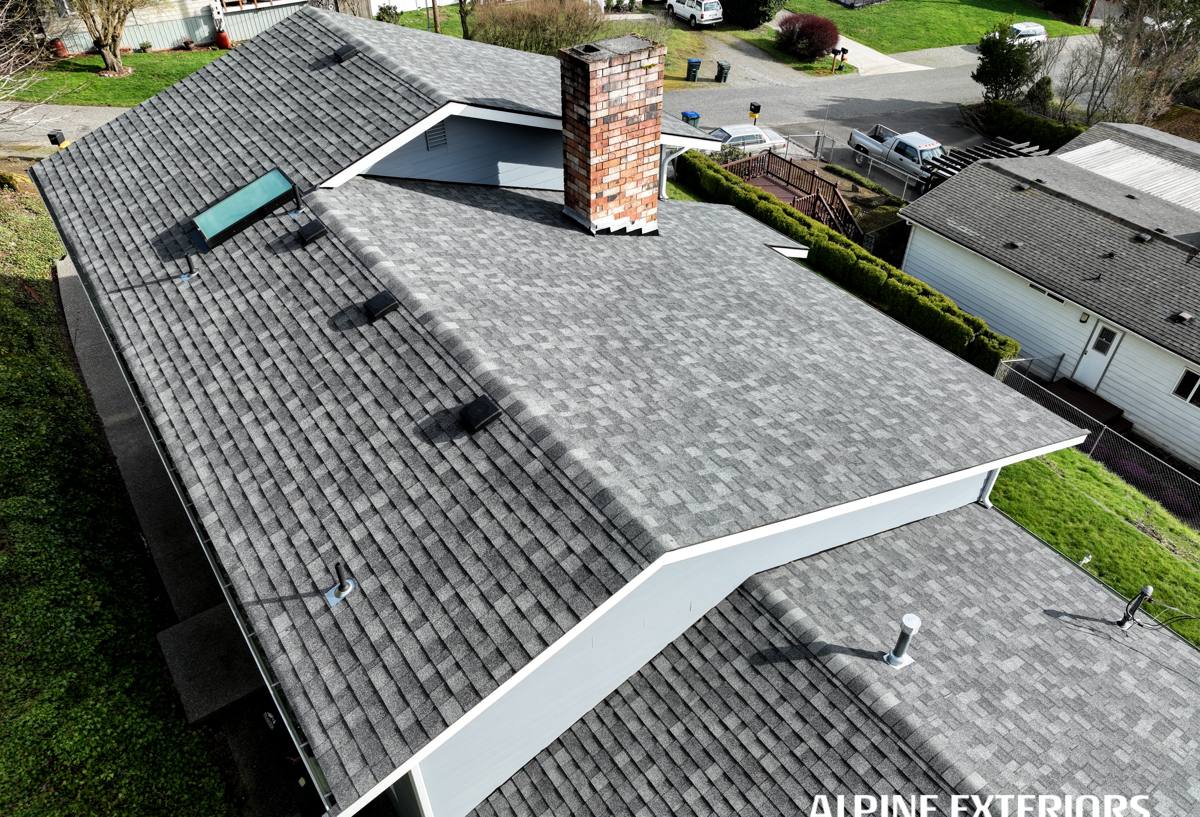
What Tampa Bay Weather Does to a Roof Over Time
It helps to understand what you're actually up against before you pick a roofing system.
UV and Heat
Florida sun breaks down roofing materials from the outside in. Asphalt shingles lose their granules and oils over years of direct sun, which is what eventually leads to curling, cracking, and premature aging. Metal roofing reflects a much larger share of solar heat than shingles do, which reduces the thermal cycling that stresses the material and can also ease the load on your air conditioning during the hottest months.
Wind-Driven Rain
Straight-down rain is easy for almost any roof to shed. The problem in this region is rain that comes in sideways during storms, working its way under shingle tabs, around vents, and into any gap that isn't properly sealed or flashed. A metal roof with correctly lapped panels, sealed fasteners, and proper flashing details resists that kind of wind-driven intrusion far better than a shingle roof with aging or lifted tabs.
Hurricane-Force Wind
Wind uplift is one of the leading causes of roof failure during tropical storms and hurricanes in this part of Florida. Shingles rely on adhesive sealant strips and nails that can fail as they age. A properly installed metal roofing system, particularly standing seam, is fastened and engineered specifically to resist uplift, which is a major reason insurance carriers in coastal Florida markets often look favorably on metal roofs.
Salt Air
Even well inland from the immediate coastline, the Tampa Bay area sees salt-laden air move through on a regular basis. Salt accelerates corrosion on unprotected metal and can degrade certain fasteners and flashing materials over time. This is why the specific metal, coating, and fastener package matters as much as the installation itself — not every metal roofing product sold nationally is suited to a coastal Florida environment.
Metal Roofing Systems We Install
Not every metal roof is the same product wearing a different color. The panel style, gauge, and fastening method all affect performance, appearance, and cost.
| System | How It's Fastened | Best For |
|---|---|---|
| Standing seam | Concealed clips, no exposed fasteners on the field of the roof | Homeowners who want the longest service life and the least long-term maintenance |
| Metal shingles / tiles | Interlocking panels, fasteners largely hidden | Homeowners who want a metal roof's durability with a more traditional shingle or tile look |
| Exposed fastener panel | Screws driven through the panel face, with washers/sealant | Budget-conscious projects, outbuildings, or lower-slope applications where the tradeoffs are acceptable |
Exposed fastener systems cost less to install but require the fasteners to be checked and occasionally replaced over the life of the roof, since the washers and sealant eventually wear. Standing seam has no field fasteners to fail, which is a major part of why it dominates coastal and hurricane-prone markets despite the higher upfront cost. We'll walk you through which option makes sense for your roofline, budget, and how long you plan to stay in the home.
What a Correct Metal Roof Installation Actually Involves
The panels themselves get most of the attention, but the details underneath and around them are what determine whether the roof performs the way it's supposed to.
- Deck inspection and repair — any soft, rotted, or water-damaged decking gets replaced before anything else goes down. Installing over a compromised deck undermines the whole system.
- Underlayment — a synthetic or self-adhering underlayment rated for high heat and wind-driven moisture, not a basic felt product that wasn't designed for Florida conditions.
- Fastening pattern — panel spacing and clip or fastener spacing matched to the wind uplift rating required for your specific location and roof geometry.
- Flashing at penetrations — valleys, vents, skylights, and wall transitions are where most roof leaks actually originate, metal or otherwise. These get custom-fabricated flashing, not generic trim pieces.
- Edge and drip detail — proper drip edge and rake trim so wind-driven rain can't get up and under the panel edges.
- Ventilation — attic ventilation that's compatible with a metal roof assembly, so heat and moisture don't get trapped underneath it.
Skipping or rushing any one of these steps is how a metal roof ends up leaking within a few years despite the material itself being rated to last decades. The panels are only as good as what's underneath them.
Metal Roofing vs. Asphalt Shingles: The Honest Comparison
| Factor | Metal Roofing | Asphalt Shingles |
|---|---|---|
| Typical lifespan | 40–70 years depending on system | 15–25 years in this climate |
| Wind performance | Engineered for high uplift resistance, especially standing seam | Adhesive seal strips can fail as shingles age |
| Upfront cost | Higher — often roughly two to three times an asphalt shingle roof | Lower upfront cost |
| Maintenance | Minimal; periodic fastener and sealant checks on exposed-fastener systems | Periodic granule loss, occasional tab repair |
| Heat reflectivity | Reflects significant solar heat | Absorbs and radiates more heat |
Neither option is objectively wrong for every home. If you're planning to stay in your Carrollwood home for decades and want to stop thinking about roof replacement, the math on metal tends to favor a longer-term investment. If you're on a tighter budget or a shorter time horizon, a quality architectural shingle roof, installed correctly, can still perform reasonably well here.
Our Process, Start to Finish
- On-site assessment — we inspect the existing roof, decking condition, and roofline geometry, and talk through what you're trying to get out of the project.
- System and material selection — we walk through panel style, gauge, and finish options based on your budget and how long you plan to own the home.
- Written estimate — a clear scope of work and price, no vague allowances or surprise line items added later.
- Permitting — we handle the permit and inspection process required for roofing work in this area.
- Tear-off and deck prep — old roofing removed, decking inspected and repaired as needed.
- Installation — underlayment, panels, flashing, and trim installed to spec.
- Final walkthrough and cleanup — we review the finished roof with you and make sure the property is cleaned up, including a magnetic sweep for stray fasteners.
What Affects the Cost of a Metal Roof
| Cost Factor | Why It Matters |
|---|---|
| Panel system chosen | Standing seam costs more than exposed fastener panels |
| Roof complexity | Valleys, dormers, and multiple roof planes add labor and flashing work |
| Decking condition | Rot or water damage found during tear-off adds repair cost |
| Panel gauge and coating | Heavier gauge and marine-grade coatings cost more but hold up better to salt air |
| Roof pitch and access | Steep or hard-to-access roofs take longer and require more safety setup |
We give you a written, itemized estimate before any work starts so you know exactly what you're paying for and why — not a single number with no explanation behind it.
Maintenance and What to Expect Long-Term
One of the real advantages of metal roofing in this climate is how little it asks of you afterward. There's no granule loss to monitor, no shingle tabs to reseal, and no algae streaking to power-wash off every couple of years. What we do recommend is a periodic visual check — after major storms, or roughly once a year — for any debris buildup in valleys, minor scuffs from tree limbs, or, on exposed-fastener systems, fasteners that may need to be re-torqued or resealed over time. None of this is heavy maintenance, but a quick check catches small issues before they become leaks.
Why It Matters That We Already Work in Carrollwood
Metal roofing done wrong doesn't look wrong from the ground — it looks fine right up until the first hard storm finds the flashing detail that was rushed or the fastener pattern that wasn't rated for local wind exposure. A crew that already works in Carrollwood and the broader Oldsmar area knows the wind exposure categories, the permitting process for this jurisdiction, and how these roofs actually perform once they've been through a real Tampa Bay storm season — not just how they're rated on paper. That local track record is worth more than a low bid from a crew unfamiliar with what this climate does to a roof.
If you're weighing metal roofing for your Carrollwood home, we're happy to walk the roof with you, explain your real options, and give you a straightforward, no-pressure estimate — no obligation, no hard sell. Use the form below to get started.