 Oldsmar Siding
 Roof Repair for Citrus Park Homes Near Oldsmar
If you own a home in the Citrus Park area near Oldsmar, your roof works harder than roofs almost anywhere else in the country. It isn't one type of stress that wears a roof down here — it's several kinds hitting at once, year after year. Hurricane-force wind events test every fastener and seam. Intense, near-constant UV breaks down shingle granules and sealants. Wind-driven rain finds any gap in flashing or underlayment and pushes water sideways, not just down. And salt-laden air off the Gulf slowly corrodes exposed metal, fasteners, and vents. None of these alone would be unusual. Together, they mean a roof repair done for this area has to account for more than a typical patch job would elsewhere.
This page is specifically about roof repair — not full replacement — for homes in Citrus Park. We'll walk through what causes damage here, what a repair should actually include to hold up, how we approach the work, and why it matters to hire a crew that already knows this neighborhood's housing stock and weather pattern.
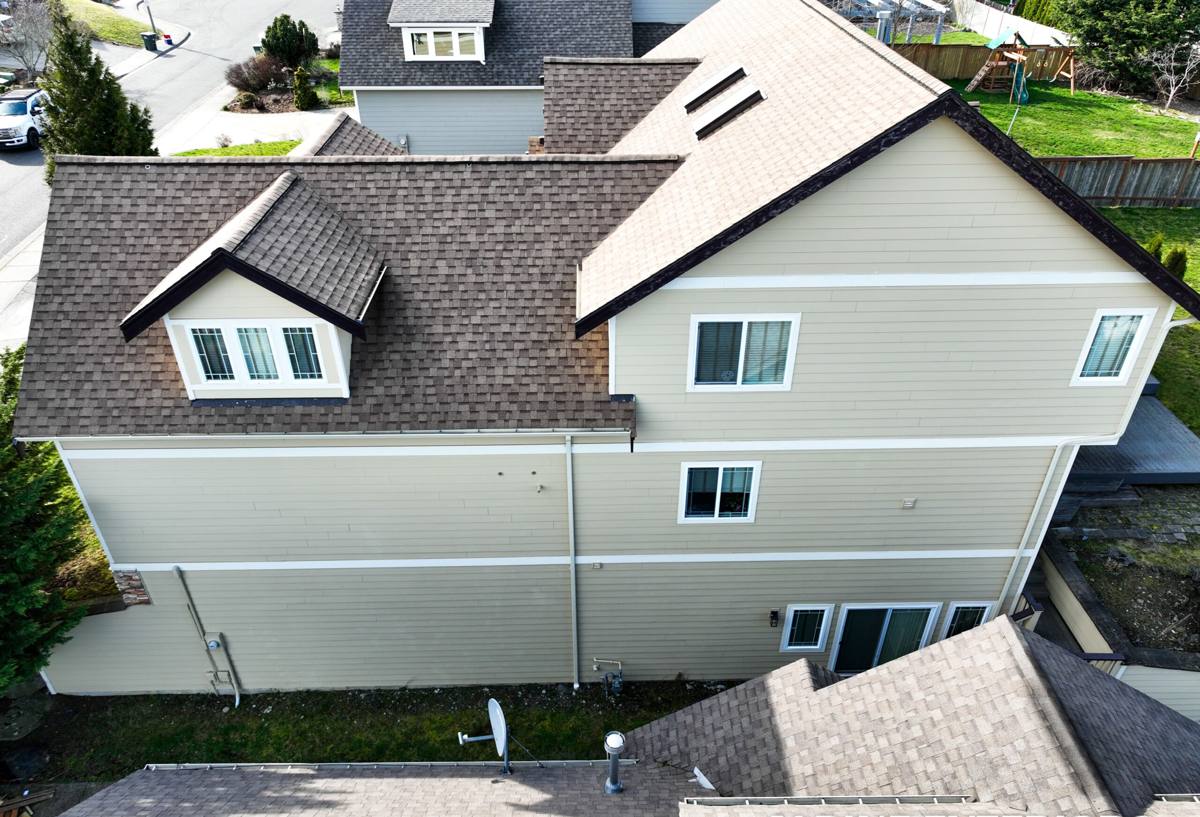
What Causes Most Roof Damage in This Area
Wind and Uplift
Tropical storm and hurricane winds don't just push on a roof — they create uplift pressure at edges, ridges, and corners where shingles or panels are most likely to lift. Once one tab or panel edge lifts, the next storm has a starting point to work from. Repeated wind events over the years loosen fasteners even when no single storm causes obvious damage.
UV Exposure
Central Florida sun is intense for most of the year. UV breaks down asphalt shingle oils and granule adhesion, and it dries out and cracks rubber boots, sealants, and pipe flashings faster than in cooler climates. A lot of the "small" leaks we get called out for in this area trace back to a sun-cracked pipe boot or a dried-out sealant bead, not the shingles themselves.
Wind-Driven Rain
Regular rain falls straight down and sheds off a roof the way it's designed to. Wind-driven rain during storms comes in sideways and can be pushed up under shingle edges, around vents, and into any flashing gap. This is why some leaks only ever show up during a storm with a specific wind direction — the water is being forced into the system, not just falling on it.
Salt Air Corrosion
Even at a distance from open water, salt-laden air moves inland and settles on exposed metal — flashing, fasteners, vent stacks, and drip edge. Over time this accelerates rust and metal fatigue in components that are supposed to seal the roof at its most vulnerable points: valleys, penetrations, and edges.
Signs Your Citrus Park Roof Needs Repair
Most roof problems don't announce themselves with an obvious hole. They show up as small clues first. Homeowners in this area should watch for:
- Granules collecting in gutters or at downspout outlets
- A ceiling stain that appears or grows after a specific wind direction, not just any rain
- Shingles that look curled, cupped, or lifted at the edges, especially near ridges and rakes
- Cracked or missing pipe boots and vent seals
- Rust streaks below metal flashing or fasteners
- Soft spots when walking the roof (for low-slope or flat sections)
- Visible daylight through the attic at soffits, ridge, or penetrations
- Missing shingles or exposed nail heads after a storm
Catching these early is almost always the difference between a repair and a much larger job. Small, localized damage left through even one more hurricane season tends to spread — water finds the path of least resistance, and that path usually runs into the decking, the insulation, and eventually the interior of the home.
What a Correct Roof Repair Actually Involves
A roof repair that's built to hold up in this climate is more than swapping out a few shingles. Done right, it includes:
Diagnosis Before Patching
Water almost never shows up directly below where it entered. A visible ceiling stain in one room can trace back to a flashing gap several feet away. We trace the actual entry point — on the roof deck and in the attic if accessible — before doing any repair, so the fix addresses the cause and not just the symptom.
Matching Materials and Fastening Pattern
Repairs should use materials rated for the same wind exposure as the surrounding roof, fastened to match — or exceed — Florida Building Code requirements for this region. A patch that isn't fastened the same way as code-compliant new construction becomes the next weak point in the next storm.
Flashing and Sealant Work, Not Just Shingles
Since so much local damage originates at flashing, vent boots, and sealant rather than the field of the roof, a proper repair inspects and, where needed, replaces these components — not just the shingles around them.
Underlayment Integrity
If underlayment has been compromised by long-term UV or water exposure, replacing shingles over it without addressing the underlayment just delays the next leak. We check underlayment condition in the repair area, not only the surface layer.
Attic and Ventilation Check
Poor attic ventilation traps heat and moisture, which accelerates shingle aging from underneath and can encourage wood rot in decking. A repair visit is a natural point to flag ventilation issues that are shortening your roof's life, even if they aren't the cause of the current repair.
Roofing Materials Common in Citrus Park Homes
Different roof types fail in different ways under wind, sun, and salt exposure. Here's how the systems we most commonly repair in this area compare:
| Roofing Type | Typical Weak Points Locally | Repair Considerations |
|---|---|---|
| Asphalt Shingle | Edge/ridge uplift, UV-cracked granule loss, pipe boot failure | Match shingle profile and fastening; check underlayment condition beneath damaged area |
| Tile (Concrete/Clay) | Cracked or slipped tiles, failed underlayment beneath intact tiles | Tiles often outlast the underlayment under them — repair may require careful tile removal and reset |
| Metal Panel | Fastener backout, sealant washer failure, seam corrosion from salt exposure | Requires panel-matched fasteners and correct sealant, not generic hardware |
| Flat/Low-Slope | Ponding water, seam separation, membrane UV degradation | Repairs must restore proper drainage slope, not just patch the failed seam |
Our Roof Repair Process in Citrus Park
- Inspection and diagnosis — We assess the roof surface, flashing, penetrations, and attic (where accessible) to find the actual source of the problem, not just where the damage is visible.
- Clear, written scope — You get a straightforward explanation of what's damaged, what's causing it, and what the repair will involve, before any work starts.
- Repair to code-level standards — Materials and fastening are matched to current wind-resistance expectations for this region, not just to what's already there.
- Cleanup and verification — We clear debris, check the repair area, and confirm there are no secondary issues (like a second entry point) before calling the job done.
We don't upsell a full roof replacement when a targeted repair will genuinely hold. We also won't patch over a problem that's clearly beyond a repair's ability to fix — if a roof has reached that point, we'll tell you honestly and explain why.
What Affects Roof Repair Cost
Repair costs for storm and wear-related roof damage vary a lot based on specifics. Rather than quote a number that won't apply to your situation, here are the main factors that move the price:
| Factor | Why It Matters |
|---|---|
| Size and location of the damaged area | A single flashing repair costs far less than a multi-section shingle replacement |
| Roof access and pitch | Steep or high roofs take longer and require more safety setup |
| Underlying deck condition | Rotted or water-damaged decking under the repair area adds material and labor |
| Material type and availability | Matching existing tile or discontinued shingle profiles can affect cost and timeline |
| Extent of hidden damage | What's found once the repair area is opened up can change the scope |
The only reliable way to know your actual cost is a look at the roof itself, which is what a free estimate is for.
Why Hire a Crew That Already Works in Citrus Park
Roofing crews unfamiliar with this part of Florida sometimes repair to standards built for milder climates — lighter fastening patterns, sealants not rated for this UV load, or flashing details that don't account for wind-driven rain. That approach might hold for a season or two before failing again.
Working regularly in and around Oldsmar and Pinellas County means we see how roofs here actually age and fail over time — not in theory, but from repeat visits to homes with similar exposure. That includes knowing which materials hold up to salt air, which fastening details actually resist local wind patterns, and which "quick fixes" tend to come back as bigger problems within a year or two. A repair is only worth doing if it holds through the next storm season, not just until the next rain.
After the Repair: Keeping Your Roof Ahead of the Weather
A repair is a good moment to get ahead of future problems, not just fix the current one. We recommend homeowners in this area keep up with:
- A visual roof check after every major storm, even if there's no visible leak
- Keeping gutters clear so water isn't backing up under the roof edge
- Trimming back tree limbs that can abrade shingles or drop debris in wind
- Re-checking pipe boots and sealant every couple of years given local UV exposure
- Watching for granule buildup in gutters as an early warning sign
- Having a professional inspection before hurricane season each year
None of this replaces a proper repair when damage exists, but it extends the life of the repair once it's done.
Get a Free, No-Pressure Estimate
If you're seeing signs of roof damage in Citrus Park or anywhere near Oldsmar, it's worth having it looked at before the next storm season rather than after. We'll give you a straightforward assessment of what's actually wrong, what it will take to fix it correctly, and an honest cost range — no pressure, no upsell. Fill out the form below to schedule your free estimate.