 Oldsmar Siding
 Roof Replacement Built for What Lutz Weather Actually Does
A roof in Lutz doesn't fail the same way a roof in a mild climate fails. Between hurricane-force wind events, months of intense direct UV, wind-driven rain that finds every weak seam, and the salt-tinged air that drifts in off the Gulf and the bay, a roofing system here is working hard every single day it's on your house. When it's time to replace one, the job has to account for all of that — not just match what was there before.
We've spent years replacing roofs across this part of the Tampa Bay area, and Lutz homes have their own patterns: certain roof ages that show up together after a bad storm season, certain attic ventilation setups that were fine decades ago but aren't doing the job now, certain flashing details that get skipped by crews who aren't from here. This page is about what a correct roof replacement looks like specifically for a Lutz home, not a generic national checklist.
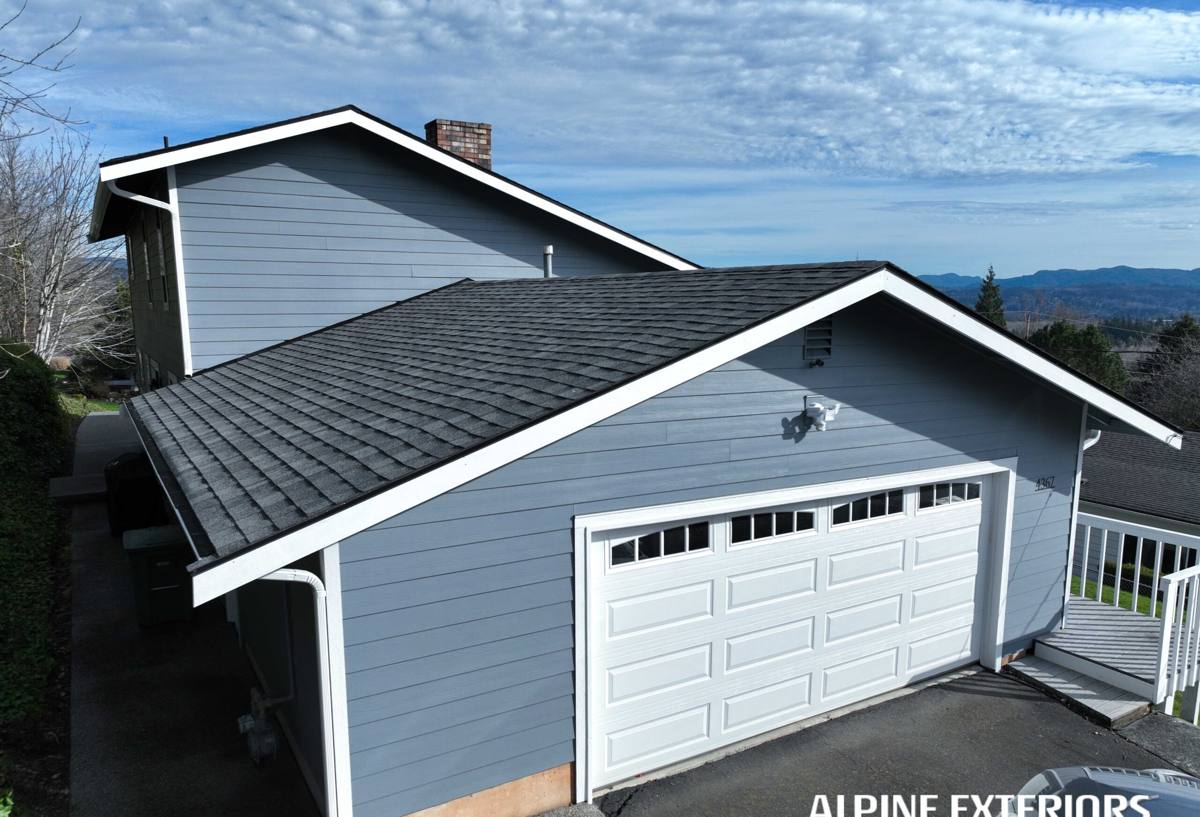
What Years of This Climate Do to a Roof
Sun and UV
Florida sun is relentless, and roofing materials absorb that punishment all day, every day, for years. Asphalt shingles lose their protective granules over time, the asphalt underneath dries out and gets brittle, and that brittleness is what eventually shows up as cracking, curling, and shingles that no longer seal down against wind. UV degradation is slow and easy to ignore until a storm exposes exactly how far along it is.
Wind and Storms
Hurricane-force gusts don't need a direct hit to do damage — a roof that's already aging can lose shingles or have seams open up from a strong seasonal storm that never even gets a name. Wind works at the edges and corners of a roof first, then works inward once it has an opening. A replacement done right accounts for wind uplift resistance from the deck up, not just the visible shingle layer.
Wind-Driven Rain and Salt Air
Rain that comes in sideways during a storm tests every flashing detail, every valley, every penetration around a vent or a chimney. And because this area sits close enough to the coast to catch salt-laden air, metal fasteners, flashing, and vent components corrode faster here than they would further inland. A roofing system that ignores that reality on the front end costs the homeowner more in the back half of its life.
Signs Your Lutz Home Needs a New Roof, Not Another Repair
Not every roof problem means a full replacement — but ignoring the signs that do mean it usually turns a planned project into an emergency one. Watch for:
- Shingles that are cracked, curling at the edges, or missing granules in patches (bald spots)
- Missing or lifted shingles after any wind event, especially if it keeps happening in the same areas
- Soft spots or noticeable sagging anywhere on the roof deck
- Daylight visible through the roof boards from inside the attic
- Water stains on ceilings or interior walls, even small ones that come and go
- Granules collecting in gutters or at the base of downspouts
- A roof that's approaching or past the typical service life for its material and installation quality
- Rising energy bills with no other clear cause, which often points to failing attic ventilation or insulation performance tied to the roof system
Any one of these on its own might be a repair. Several together, or one combined with a roof that's already older, usually means it's worth having a full replacement evaluated before the next storm season rather than after.
What a Correct Roof Replacement Actually Involves
Full Tear-Off and Deck Inspection
A proper replacement starts with removing the old roofing down to the deck — not layering new material over old. That's the only way to actually see the wood underneath. Any decking that's soft, delaminated, or water-damaged gets replaced before anything new goes down, because new shingles fastened into compromised wood will fail early no matter how good the material is.
Underlayment and Flashing
The underlayment is the roof's second line of defense, and in a climate with this much wind-driven rain, it matters as much as the shingles themselves. Flashing around chimneys, skylights, walls, and valleys is where most leaks actually start on an otherwise sound roof, so these details get formed and sealed correctly rather than reused from the old roof or rushed.
Ventilation
Attic ventilation affects how hot your attic gets, how much moisture builds up under the deck, and how long the new roofing lasts. A replacement is the right time to fix ventilation that was never adequate to begin with — it's far more disruptive and expensive to address later.
Choosing the Right Roofing Material for This Area
There's no single "best" roofing material — there's the right material for your home, your budget, and how much maintenance you want to think about going forward. Here's how the common options generally compare for a home in this climate:
| Material | Typical Lifespan | Wind Performance | Maintenance | Relative Cost |
|---|---|---|---|---|
| Architectural (laminate) shingles | 15–25 years, depending on product and installation | Good with proper nailing pattern and sealed edges | Low to moderate | Lower to mid |
| 3-tab shingles | 15–20 years | Lower wind resistance than architectural shingles | Low to moderate | Lowest |
| Standing seam metal | 30–50 years | Very good when properly fastened | Low | Higher upfront |
| Concrete or clay tile | 30–50+ years for the tile itself | Good, but underlayment failure is the usual weak point | Moderate (underlayment service life is shorter than the tile) | Higher |
Cost per square (100 square feet) for materials and labor combined varies with roof pitch, accessibility, deck condition, and how much tear-off is involved — we'll give you real numbers for your specific roof rather than a number pulled from a national average. As a general rule, architectural shingles remain the most common choice for Lutz homes because they balance upfront cost, wind rating, and appearance well; metal and tile make sense for homeowners planning to stay long-term or wanting a longer replacement cycle.
Our Roof Replacement Process
- On-site inspection and honest assessment — we look at the whole roof system, not just the shingles, and tell you plainly whether you need a replacement or a repair.
- Written estimate — clear scope, material options, and pricing before anything is scheduled.
- Permitting — we pull the required permits for your jurisdiction before work begins, which protects you as the homeowner.
- Tear-off and deck repair — old roofing removed, deck inspected board by board, any damaged sections replaced.
- Underlayment, flashing, and ventilation installed — the parts you won't see again once the job is finished, done right the first time.
- New roofing installed — following manufacturer specs and the fastening standards required for our wind zone.
- Final walkthrough and cleanup — including a magnetic sweep for stray nails and a review of the finished work with you.
Permits, Codes, and Wind Mitigation
Florida's building code sets specific requirements for roofing systems in high-wind regions, covering things like fastener type and spacing, underlayment attachment, and how roof edges and eaves are secured. These aren't optional upgrades — they're the baseline for a roof that's built to hold up here, and a licensed roofer pulling proper permits will build to them as a matter of course.
A roof replacement is also a good time to think about your wind mitigation inspection. Insurance companies use that inspection to determine discounts based on roof shape, roof-to-wall attachment, secondary water barrier, and other features. A new roof installed to current code can improve your standing on several of those categories, which is worth discussing with your insurance agent once the work is done.
Why Hiring a Crew That Already Works in Lutz Matters
A roof replacement isn't just a materials question — it's a labor and detail question, and the details are where climate-specific problems show up years later. A crew that regularly works in this part of the Tampa Bay area already knows which flashing details tend to fail first in wind-driven rain, which ventilation setups actually keep attics cool through a Florida summer, and what the local permitting process requires before work starts. That familiarity shows up in fewer surprises, fewer callbacks, and a roof that's actually built for the conditions it has to survive rather than a generic install.
Being based nearby in Pinellas County also means we're not disappearing after the invoice clears. If a question comes up six months or six years after the job, we're a local call, not a distant number.
Get a Straight Answer on Your Roof
If your roof is showing its age, took a hit in the last storm, or you're just tired of guessing whether the next repair is worth it, we're happy to take a look. Fill out the form below for a free, no-pressure estimate — we'll tell you honestly whether you need a full replacement, what it would involve, and what it would cost, with no sales pitch attached.