 Oldsmar Siding
 Siding Installation for Eastlake Woodlands Homes
Eastlake Woodlands sits inland from the coast but still feels every part of what a Pinellas County summer and hurricane season can throw at a house. The tree cover that gives the neighborhood its name also means homes here deal with more shade-and-moisture cycling than a house sitting in open sun, while still catching the same hurricane-force winds, wind-driven rain, and salt-laden air that move through the rest of the Tampa Bay area. Siding in this kind of environment isn't a cosmetic choice — it's the layer standing between your framing and a climate that doesn't let up. We install siding on homes throughout Oldsmar and the surrounding Pinellas County communities, and Eastlake Woodlands has its own specific mix of conditions that shape how we approach a job here.
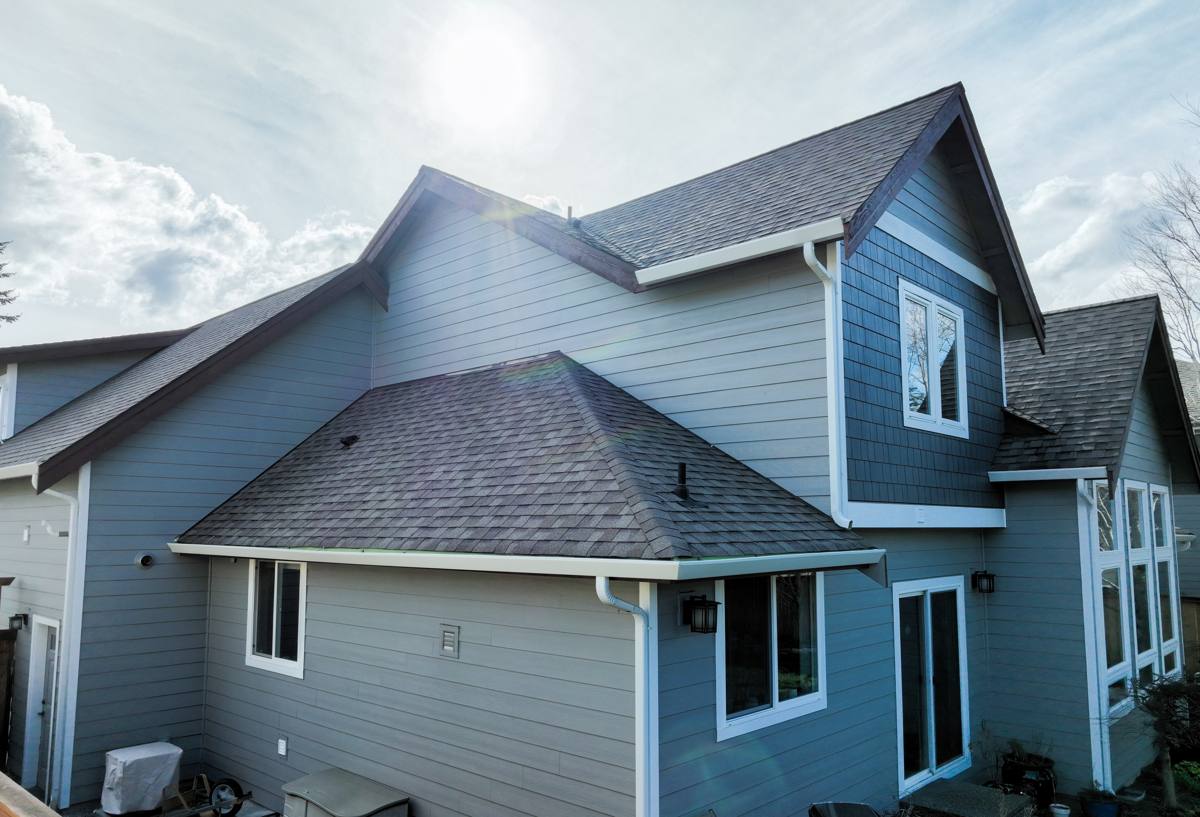
What the Local Climate Does to Siding
A few factors specific to this part of Florida drive almost every siding failure we see and every decision we make on a new installation:
Wind-Driven Rain and Moisture Cycling
Tropical storms and the seasonal downpours common to this area don't just wet a wall — they drive water sideways, under laps, and into any gap a lesser installation leaves behind. Homes with heavier tree canopy, which describes a good share of Eastlake Woodlands, also dry more slowly after a storm because they get less direct sun and airflow. That extended damp period is exactly what rots wood-based siding and feeds mold and mildew growth on products that aren't built to shed and release moisture well.
Year-Round UV Exposure
Florida sun is intense and constant, not seasonal. Paint and coatings that would last a decade in a milder climate can chalk, fade, or crack in a fraction of that time here, especially on the sun-facing elevations of a home. Siding that depends on a field-applied paint job for its color and protection is fighting an uphill battle from day one.
Hurricane-Force Wind Loads
Oldsmar isn't directly on the Gulf, but it's well within the wind zones that Pinellas County building code accounts for. Siding has to be rated and fastened to hold up under sustained high winds and the debris impacts that come with them — not just look good on a calm day.
Salt Air
Even set back from the water, this part of the county gets enough salt-laden air movement off the Gulf and Tampa Bay to accelerate corrosion on fasteners, trim, and any metal components in a siding system. Over years, that corrosion is often what causes visible staining and loosened panels long before the siding material itself gives out.
Signs a Home in Eastlake Woodlands Needs New Siding
Because of the shade-and-moisture pattern common in this neighborhood, siding problems here often show up differently than on a home in full sun. Watch for:
- Soft or spongy spots when you press on the siding, especially near the bottom courses and around windows
- Dark streaking, green or black mildew growth that keeps coming back after cleaning
- Visible warping, buckling, or panels that have pulled away from the wall
- Paint that's peeling, bubbling, or chalking heavily on sun-exposed elevations
- Rust streaks running down from nail heads or trim fasteners
- A musty smell or rising energy bills, which can point to moisture getting behind the siding and into the wall assembly
Any one of these is worth a professional look. Left alone, moisture intrusion behind siding turns into sheathing and framing damage that costs far more to fix than the siding itself.
What a Correct Siding Installation Actually Involves
Siding failures in this climate are rarely about the material alone — they're usually about installation shortcuts that don't show up until years later. A correct job includes several steps that are easy to skip and expensive to skip:
Water-Resistive Barrier and Flashing
Every wall gets a properly lapped weather-resistant barrier underneath the siding, with flashing detailed at windows, doors, and any penetration. This is the system that actually keeps wind-driven rain out of the wall cavity — the siding itself is the second line of defense, not the first.
Fastener Selection and Placement
Corrosion-resistant fasteners, installed at the manufacturer's specified pattern and depth, matter enormously in a salt-air environment. Overdriven or underdriven nails are one of the most common causes of premature siding failure we find on homes we're asked to fix.
Proper Clearances
Siding needs the correct gap above rooflines, decks, and grade so water can drain and wood-based trim isn't sitting in standing moisture. This is a detail that's invisible once the job is finished but shows up as rot within a few years if it's ignored.
Manufacturer-Specified Installation Method
Every siding product has an installation manual, and following it exactly is what keeps the manufacturer's warranty valid. Field cuts, fastener spacing, and joint treatment all have to match spec — not just "look right" from the ground.
Why We Install Only James Hardie Fiber Cement
We made a decision as a company to install James Hardie fiber cement siding exclusively, and we don't deviate from that for vinyl, LP SmartSide, Cemplank, Allura, or primed wood siding. That's not brand loyalty for its own sake — it's a response to what actually holds up under Oldsmar's specific combination of sun, wind, rain, and salt air.
Fiber cement is non-combustible, which matters in a state where wildfire risk exists in drier stretches of the year and where insurance carriers increasingly factor exterior materials into pricing. It doesn't warp, rot, or attract termites the way wood-based products can, which addresses the moisture-cycling problem that shaded lots like many in Eastlake Woodlands deal with directly. Hardie's ColorPlus finish is baked on at the factory under controlled conditions, not brushed or sprayed on-site — that's a meaningfully different, more UV-resistant finish than field-applied paint, and it's backed by its own finish warranty separate from the product warranty. Hardie also engineers specific product lines (their HZ5 designation) for high-humidity, high-moisture climates like ours, rather than selling one national product regardless of region.
None of that means other products are junk — vinyl and engineered wood have real markets and legitimate uses. We simply concluded that for the wind, moisture, UV, and salt conditions we build in every day, fiber cement gives homeowners the best long-term performance for the investment, and we'd rather be excellent at one system than mediocre across several.
Our Installation Process
| Step | What Happens |
|---|---|
| 1. On-site assessment | We walk the home, check current siding and sheathing condition, and measure for material takeoff |
| 2. Written estimate | Scope, product line, color, and price laid out before any work begins — no surprise change orders |
| 3. Tear-off and sheathing check | Old siding removed; sheathing inspected and repaired if moisture damage is found underneath |
| 4. Weather barrier and flashing | New water-resistive barrier installed with correct laps and flashing at every penetration |
| 5. Hardie installation to spec | Panels installed per James Hardie's manual — fastener pattern, clearances, and joint treatment matched exactly |
| 6. Trim and detail work | Corners, window and door trim, and caulking finished for a clean, weather-tight result |
| 7. Final walkthrough | We review the completed job with you before calling it done |
Cost Factors for Eastlake Woodlands Homes
Every home is different, so we don't quote prices without seeing the job, but a few factors consistently move the number:
| Factor | Why It Matters |
|---|---|
| Home size and wall complexity | More square footage and more corners, gables, and dormers mean more material and labor |
| Current siding removal | Tear-off of old material, and any sheathing repair it reveals, adds time and cost |
| James Hardie product line | Lap siding, shingle-style panels, and board-and-batten profiles carry different material costs |
| Trim and accent detail | Custom trim work around windows, doors, and architectural features adds labor |
| Access and site conditions | Mature trees, fencing, and tight lot lines common in established neighborhoods can affect staging and setup |
Why a Crew That Already Works Eastlake Woodlands Matters
There's a real difference between a contractor pulling permits in Pinellas County for the first time and one who already knows the local building department's process, the wind zone requirements for the area, and what actually holds up on homes like the ones in this neighborhood. We already have relationships with local suppliers, know how to schedule around Florida's rainy season without leaving a home exposed mid-project, and understand the shaded-lot moisture issues that come up repeatedly on wooded properties in this part of Oldsmar. That local familiarity shows up in fewer surprises, tighter scheduling, and a finished job that's built for the conditions it actually has to survive — not a generic install.
Maintaining Your New Siding
James Hardie siding is low-maintenance compared to wood or vinyl, but "low-maintenance" isn't "no-maintenance." A little routine care goes a long way in this climate:
- Rinse the exterior with a garden hose a few times a year to clear salt residue, pollen, and mildew spores before they build up
- Inspect caulking at joints, trim, and penetrations annually and re-caulk any cracked or missing sections
- Trim back tree branches and landscaping that hold moisture against the siding or block airflow and sun exposure
- Check fastener heads and trim after major storms for signs of movement or corrosion
- Avoid pressure washing at close range or high pressure, which can force water behind panels or damage the finish
Get a Free, No-Pressure Estimate
If your Eastlake Woodlands home is showing signs of siding wear, or you're planning ahead for a replacement before the next hurricane season, we're happy to come take a look. There's no obligation and no pressure — just an honest assessment and a clear, written estimate for James Hardie siding installed to spec for the conditions your home actually faces. Use the form below to get started.