 Oldsmar Siding
 Why Siding Repair Looks Different in Dunedin
Dunedin sits close to the Gulf, and that proximity shapes how siding ages here compared to homes farther inland in Pinellas County. Salt-laden air corrodes fasteners and trim faster, wind-driven rain finds its way behind panels that would stay dry elsewhere, and the same intense Florida UV that draws people to the causeway and Honeymoon Island bakes paint and substrate on the exterior of every home it touches. When we get a repair call in Dunedin, we're rarely looking at a single isolated problem. Usually it's a combination of sun exposure, moisture intrusion, and wind stress that's been working on the siding for years before it became visible.
That's the lens we bring to every repair in this area: the damage you can see is often a symptom, not the whole story. A patch that only addresses the visible crack or gap, without checking what's happening behind it, tends to fail again within a season or two.
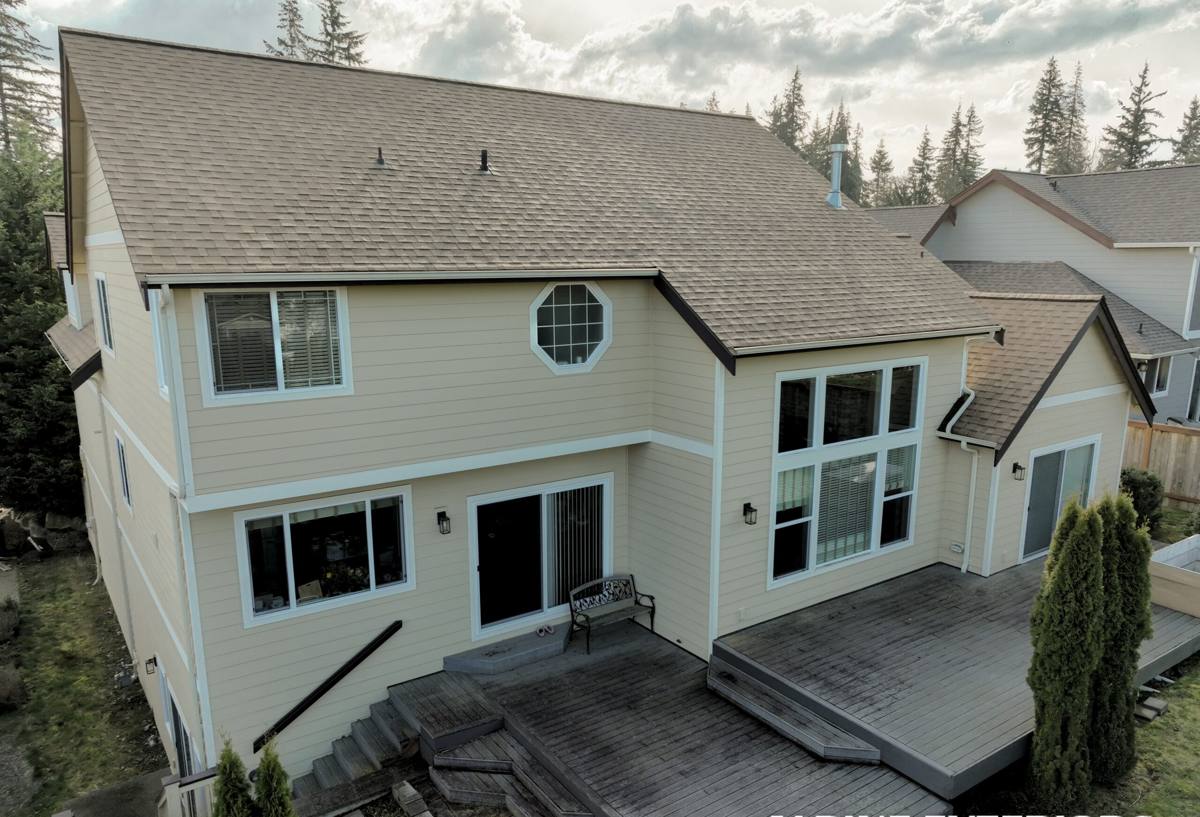
Common Siding Damage We See in Dunedin Homes
Every siding material fails differently, but in this part of Pinellas County, we see the same handful of problems repeatedly:
- Cracked or split panels from wind flex during storms, or from panels that were never fastened to allow for expansion and contraction
- Buckling or warping, common on wood-based or engineered wood products that have absorbed moisture over time
- Corroded or backed-out fasteners, a direct result of salt air attacking exposed metal
- Chalky, faded, or peeling paint from years of direct UV exposure without a factory-cured finish
- Soft or spongy spots where moisture has gotten behind the siding and started breaking down the substrate underneath
- Gaps at seams, corners, and trim where caulking has failed and wind-driven rain has found an entry point
Impact damage from storm debris is also common, but it's usually the easiest problem to diagnose. The harder cases are the ones where moisture has been quietly working behind intact-looking siding for a year or more.
What a Correct Siding Repair Actually Involves
A repair that's done right starts before anyone touches the damaged panel. Here's the sequence we follow:
1. Diagnose the cause, not just the symptom
If a panel is cracked, we want to know why. Was it impact damage, or was it fastened too tightly and had nowhere to move during thermal expansion? If there's staining or softness, we check whether flashing, house wrap, or a failed seam is letting water in behind the cladding.
2. Check what's underneath
Siding is a system, not just a visible surface. Behind it should be intact house wrap or building paper, proper flashing at windows, doors, and penetrations, and a substrate that hasn't been compromised by trapped moisture. Skipping this step is how a five-minute patch turns into a callback six months later.
3. Match the material correctly
Repairs that don't match the existing siding's profile, reveal, and finish stand out immediately, and mismatched materials can behave differently in heat and moisture, creating new stress points at the seams.
4. Reseal and refinish properly
Caulking at seams and trim needs to be rated for exterior, coastal exposure, and finish work should restore both the look and the protective function of the original installation, not just cover the gap.
Repair or Replace? How We Make That Call
Not every damaged section needs a full replacement, but not every problem should be patched either. We walk homeowners through this honestly rather than defaulting to the more expensive option.
| Signs a Repair Is Usually Enough | Signs You're Looking at Replacement |
|---|---|
| Isolated impact damage to one or two panels | Soft or spongy siding across multiple areas of the home |
| Failed caulking or trim with sound siding underneath | Widespread buckling or warping from moisture absorption |
| A handful of corroded fasteners in one section | Siding original to a home 20+ years old, nearing end of service life |
| Cosmetic fading limited to a small, sun-exposed section | Repeated repairs to the same area over multiple years |
When damage is widespread or the underlying substrate has been compromised, patching individual sections is a short-term fix that costs more in the long run than addressing the problem at its root.
Our Siding Repair Process in Dunedin
We keep the process straightforward because homeowners deserve to know exactly what's happening to their home:
- On-site inspection — we look at the damage, the surrounding siding, and check for moisture intrusion with a physical inspection, not just a visual pass
- Honest assessment — we tell you whether this is a repair, and if we find bigger problems behind the wall, we explain what we found and why it matters
- Written scope and estimate — no vague verbal promises; you see exactly what work is planned before it starts
- Repair work — removal of damaged material, substrate and moisture barrier checks, proper flashing, and installation of matching material
- Finish and cleanup — sealing, finish work, and a final walkthrough so you can see the completed repair before we consider the job done
Why We Repair With James Hardie, Not Whatever's on the Shelf
Our company installs and repairs exclusively with James Hardie fiber cement siding. We don't patch a Hardie repair with vinyl, LP SmartSide, or another wood-based product, and we don't recommend those materials for new siding work either. That's a deliberate standard, not a sales pitch.
Fiber cement doesn't absorb moisture the way engineered wood products can, and it doesn't soften, swell, or become a target for pests the way wood-based siding does when water gets behind it — a real risk in a climate where wind-driven rain during storm season is a matter of when, not if. It's also non-combustible, which matters on a coast where every home is exposed to the same wind, sun, and salt.
HZ5: Built for This Climate
James Hardie manufactures its siding in different formulations for different climate zones. Gulf Coast Florida, including Dunedin and the rest of Pinellas County, falls into Hardie's HZ5 zone, engineered specifically for high humidity and moisture exposure. When we repair or replace siding here, we use HZ5 product, not a generic version meant for a drier climate. That distinction matters more on a coastal property than almost anywhere else in the state.
Hardie's ColorPlus finish is also factory-baked rather than field-applied, which means it holds up to UV exposure and salt air significantly better than a site-painted finish. When we match new material into an existing repair, color and sheen consistency is part of what makes the job look right, not just structurally sound.
Why a Crew That Already Works in Dunedin Matters
Siding repair isn't just about swapping a damaged panel for a new one. It's about understanding how a specific climate attacks a specific installation over time. A crew that regularly works in and around Dunedin already knows what wind-driven rain does to seams facing the Gulf, how salt air accelerates fastener corrosion, and which trim and flashing details tend to fail first on homes exposed to this kind of weather. That local pattern recognition shortens the diagnostic step and helps us catch problems a less experienced crew might miss until they're worse.
We're also familiar with Pinellas County permitting requirements and wind-load expectations for exterior work, which keeps repairs compliant and avoids delays that come from unfamiliarity with local code.
What Homeowners Can Do Between Service Visits
A little routine attention between professional inspections can catch problems early, before they turn into a bigger repair:
- Walk the exterior after major storms and look for cracked, loose, or missing panels
- Check caulking at trim, corners, and window and door seams for cracking or gaps
- Look for soft spots by gently pressing on siding near ground level and around downspouts
- Rinse salt residue off exterior surfaces periodically, especially after windy stretches off the Gulf
- Keep sprinklers and irrigation from spraying directly onto siding
- Note any discoloration, staining, or musty smell near exterior walls and have it checked promptly
What Affects the Cost of a Siding Repair
Every repair is different, but these are the main factors that drive cost up or down:
| Factor | Why It Matters |
|---|---|
| Extent of moisture damage | Hidden substrate damage behind the siding adds labor beyond the visible repair |
| Number and location of affected panels | Repairs at height or around windows and corners take more time and care |
| Material matching | Matching an older Hardie installation's profile and color may require special ordering |
| Flashing and moisture barrier condition | Failed flashing must be replaced, not just resealed, to prevent repeat damage |
| Access and site conditions | Landscaping, fencing, or roofline obstacles can add time to setup and cleanup |
We won't guess at a number without seeing the home. Every estimate we provide is based on an actual inspection, not a phone-quoted range.
If you're dealing with cracked, warped, or water-stained siding on a Dunedin home, we're glad to take a look and give you a straight answer about what's going on and what it will take to fix it. Reach out for a free, no-pressure estimate — there's a form right below to get started.