 Oldsmar Siding
 Feather Sound Sits Right at the Edge of What Tampa Bay Weather Can Do
Feather Sound is one of the more exposed pockets of the greater Oldsmar and Pinellas County area when it comes to what a home's exterior has to withstand. Much of the community sits close to Old Tampa Bay's open water, which means homes here deal with a steadier dose of salt-laden air than properties set further inland. Add in Florida's hurricane-force wind events, wind-driven rain that comes in sideways instead of straight down, and UV exposure that runs strong nearly twelve months a year, and you get a climate that tests siding harder and faster than most of the country ever experiences.
That combination is exactly why we treat siding replacement in Feather Sound as its own conversation, not a copy-paste of what we'd recommend fifteen miles inland. The products, the flashing details, and the fastener choices all need to account for what this specific stretch of Pinellas County throws at a house year after year, season after season.
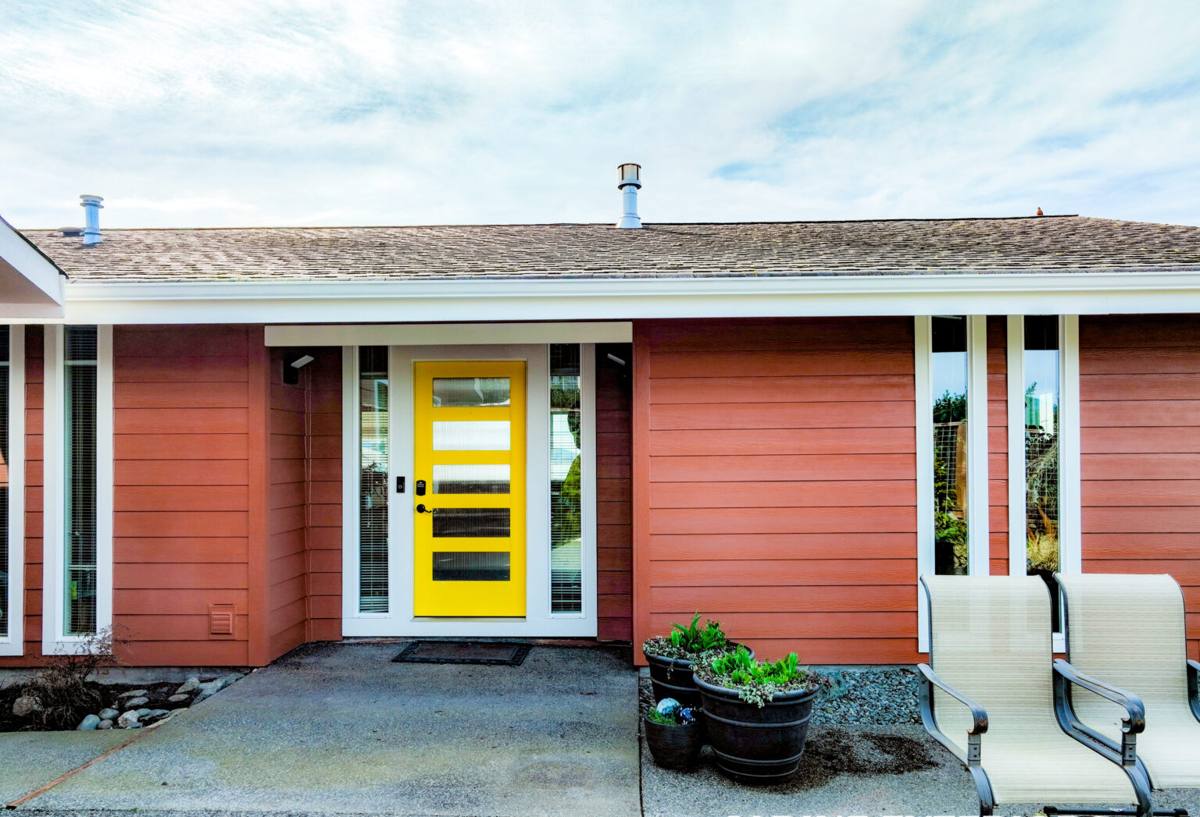
Not Every Wall Faces the Same Exposure
One thing that gets missed on a lot of siding jobs is that a single house doesn't experience one climate — it experiences several, depending on which direction each wall faces. The side of a Feather Sound home that takes the brunt of prevailing wind and driving rain during a storm will show wear years before a more sheltered wall does. South- and west-facing walls typically absorb the most direct UV load over the course of a Florida summer, which shows up as faster fading, chalking, and sealant breakdown on those elevations specifically. Homes closer to open water or canal frontage tend to see accelerated fastener and trim corrosion compared to the same home set back a few blocks inland.
A careful assessment accounts for this instead of treating every wall the same. It's part of why two houses that look similar on paper can need different levels of attention on different sides, and why a walk-around inspection matters more than a quick estimate from the street.
Signs a Feather Sound Home Needs Siding Replacement, Not Just Repair
Not every siding problem calls for a full tear-off. But there's a point where patching individual boards or recaulking seams stops being cost-effective and starts becoming a cycle of chasing the same failures every year or two. Here's what tells us a home has crossed that line:
- Soft or spongy spots when you press on the siding, especially near the bottom courses or around window and door trim
- Visible warping, cupping, or buckling panels, particularly on walls that face prevailing wind and rain
- Paint or finish that keeps failing within a year or two of repainting, even after proper prep work
- Persistent staining, dark streaking, or a musty smell near exterior walls that points to moisture behind the siding
- Cracked or missing caulk at seams and trim that reappears shortly after being redone
- Visible corrosion at fasteners, trim, or flashing, which is more common this close to the bay
- Siding that's simply reached the end of its expected service life, especially older wood-based or engineered wood products
If a home is only showing one or two of these signs in an isolated spot, targeted repair may still make sense. Once several show up together, or the underlying material itself is the problem, replacement is usually the more honest recommendation — and the more cost-effective one over the following decade.
What a Correct Siding Replacement Actually Involves
Tear-Off and What's Underneath
Replacing siding isn't just swapping old boards for new ones. Once the existing siding comes off, we're looking at the sheathing, the water-resistive barrier, and the framing underneath — and in this climate, that inspection matters as much as the new material going on. Hidden moisture damage, compromised sheathing, or a water-resistive barrier with gaps or reversed laps needs to be addressed before anything new goes up, or the new siding is just covering the same problem for a few more years.
Water Management Behind the Wall
A house's exterior wall is a layered system, and the siding is only the outermost piece of it. Correct replacement means a continuous, properly lapped water-resistive barrier, flashing at every window, door, and penetration installed in the right sequence to shed water outward and down, and a drainage gap that lets any incidental moisture escape instead of sitting against the sheathing. Skipping or rushing these steps is invisible on installation day and becomes obvious a few storms later.
Fastening and Finish
This close to Old Tampa Bay, fastener choice isn't a minor detail. Corrosion-resistant fasteners, correct spacing, and proper penetration depth all affect how long an installation holds up against salt air. Cut edges need to be sealed to manufacturer specification, siding needs correct clearance above grade, decks, and roof lines where water tends to collect, and every joint needs to be detailed with the next hurricane season in mind, not just the next dry week.
Why We Only Install James Hardie Fiber Cement
We don't install vinyl, LP SmartSide, primed spruce, cedar, or other fiber cement brands. That's a standard we hold on every Feather Sound and Oldsmar project, not a limitation on what we're capable of installing. In a climate that combines hurricane-force wind, sustained UV, and salt air, the products that struggle over time are the ones that absorb moisture into their structure, rely on a coating to keep water out for decades, or expand and contract enough to open seams as they age.
James Hardie fiber cement is engineered specifically for coastal, high-exposure climates like this one. It's non-combustible, it doesn't swell or rot the way wood-based products can, and its ColorPlus factory finish is baked on and warrantied to resist the fading and chalking that constant sun and moisture cause. Hardie also builds climate-specific HZ product lines engineered for humid, storm-prone regions — a level of climate-matching most siding products simply don't offer. Backed by a strong transferable warranty and installed to manufacturer spec, it's the product we're willing to put our name behind on homes that sit this close to the water.
Cost Factors for Siding Replacement in Feather Sound
Every home is different, but the factors that move a siding replacement estimate up or down tend to repeat across most Feather Sound properties:
| Factor | Why It Matters Here |
|---|---|
| Home size and wall complexity | More square footage, corners, and trim detail means more material and labor |
| Extent of hidden damage found at tear-off | Rotted sheathing or framing this close to the bay is repaired before new siding goes on, which adds cost but isn't optional |
| James Hardie product line and profile | Lap siding, shingle-style panels, and board-and-batten carry different material costs |
| ColorPlus finish vs. field-painted | Factory-applied color adds cost up front but removes a repainting and maintenance cycle later |
| Window and door trim work | Full trim replacement alongside siding avoids a mismatched look and misaligned seams |
| Access and site conditions | Landscaping, fencing, and proximity to water or canals can affect staging and disposal logistics |
We walk through each of these during the estimate so a homeowner understands exactly what's driving the number, rather than getting a flat price that doesn't reflect what's actually on the house.
Our Process, From First Look to Finished Job
Assessment
We start by walking the property and looking at the current siding's condition, how it's held up on different wall exposures, and what we find once we can see behind a sample section. That tells us whether replacement is the right call and gives us a realistic picture of what's underneath before we ever write a proposal.
Product Selection and Proposal
From there we walk through James Hardie product lines, profiles, and ColorPlus color options that fit the home, and put together a proposal that spells out scope, materials, and cost factors specific to that property — not a generic package.
Installation
Tear-off, sheathing and water-resistive barrier repair where needed, flashing, fastening, and finish work follow manufacturer specifications and the detailing this climate calls for, not the minimum a spec sheet allows.
Final Walkthrough
Before we consider a job done, we walk the property with the homeowner to review the finished work, confirm everything matches what was proposed, and answer any questions about care and maintenance going forward.
Why Hiring a Crew That Already Works Feather Sound Matters
A lot of what makes siding replacement hold up here comes down to judgment calls that a generic, one-size-fits-all installation doesn't account for — how much wind-driven rain exposure a given wall orientation gets this close to the bay, where salt air does the most damage to fasteners and trim, and how much clearance siding needs above grade given how wet the ground can stay after a summer storm pattern. A crew that regularly works Feather Sound and the surrounding Oldsmar area has already seen these patterns repeat house after house, and that familiarity shows up in decisions homeowners rarely see on-site but absolutely feel in how the exterior performs over the following decade.
Timing a Project Around Florida's Storm Season
Hurricane season shapes when a lot of Feather Sound homeowners choose to move on a siding project. Some prefer to get replacement done well ahead of peak season so the home goes into the riskiest months with a fresh, correctly installed exterior. Others come to us after storm damage has already forced the issue. Either way, we can work around a homeowner's timeline, though scheduling siding work with enough lead time before storm season tends to give the best outcome — both for the installation itself and for the protection it provides once weather rolls in.
If your Feather Sound home's siding is showing its age, or you'd simply like a straight assessment of what condition it's in, we're happy to take a look and walk you through what we find. Reach out below for a free, no-pressure estimate.