 Oldsmar Siding
 Windows Are a Weak Point in Every Tampa-Area Home
In the Tampa area of Oldsmar, windows take more abuse than almost any other part of a house. They sit exposed to direct sun for most of the day, they're the first thing wind-driven rain tries to get through during a storm, and they're built with seals, sealants, and hardware that all degrade under salt-laden coastal air. A window that's installed correctly can handle decades of this. One that's installed with shortcuts — wrong fasteners, missing flashing, gaps filled with nothing but caulk — will show problems within a few years, usually as a soft spot in the wall, a musty smell, or a window that won't latch tight anymore.
This page covers window installation specifically for homes in the Tampa neighborhood of Oldsmar: what the local climate demands, what a correct installation actually involves, and how we approach the work.
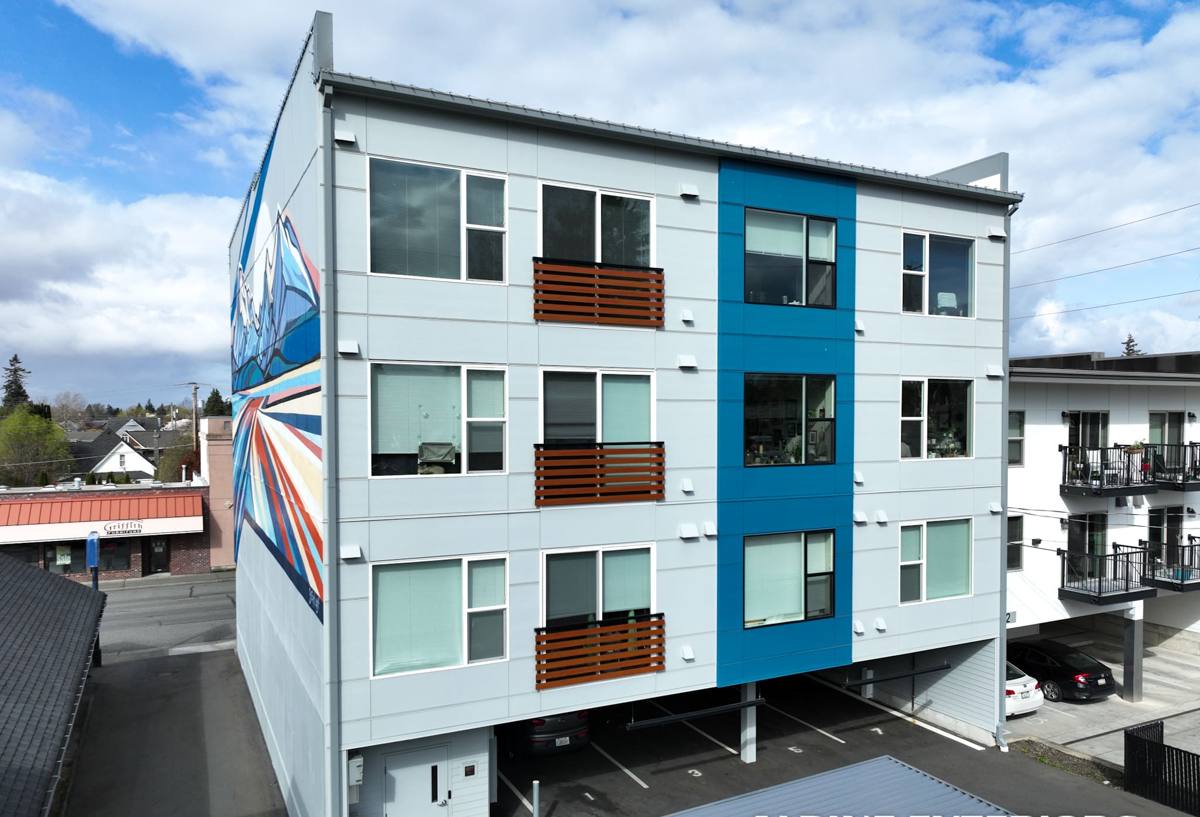
What Tampa's Climate Does to a Window Over Time
Sun and Heat
Pinellas County sees strong, direct UV exposure nearly year-round. On window frames, that means vinyl can soften, warp, or discolor if it's a low-grade product, and rubber glazing gaskets dry out and crack faster than they would in a milder climate. On the glass side, unprotected windows let in enough solar heat gain to noticeably raise cooling costs, especially on west- and south-facing walls.
Salt Air and Coastal Humidity
Even a few miles inland from Tampa Bay, salt air accelerates corrosion on hardware — hinges, cranks, locks, and screws. Cheap fasteners rust and seize. It also speeds up the breakdown of low-quality sealants, which is one of the more common causes of slow water intrusion around older windows in this area.
Wind and Storm Pressure
Hurricane-force wind doesn't just push on glass — it creates pressure differences that pull at the frame and the anchoring points, and it drives rain sideways under enough force to find any gap in the flashing. A window can be rated to withstand high wind pressure and still leak or fail if it wasn't anchored into structurally sound framing or flashed correctly at the rough opening.
What a Correct Window Installation Actually Involves
A window installation is judged on how it performs during the first bad storm after it goes in — not on how straight it looks the day it's installed. Several things have to be right at once.
Product Approval and Wind Rating
Windows sold for installation in Florida are required to carry a product approval — either a Florida Product Approval number or a Miami-Dade Notice of Acceptance (NOA) — that documents the window has been tested to a specific Design Pressure (DP) rating. The correct DP rating for a given wall depends on the home's height, exposure, and location, and it's set by the Florida Building Code, not by preference. Using a window with a rating that doesn't match the opening is a code and inspection problem, not just a performance one.
Flashing and Moisture Management
Long before the window itself goes in, the rough opening needs to be properly flashed — sill pan, side flashing, and head flashing installed so that any water that does get past the window sheds back outward instead of into the wall cavity. This step is invisible once the job is done, which is exactly why it's the step most often skipped by installers trying to save time.
Fastening and Structural Attachment
Every window has a manufacturer-specified fastening schedule — the type, spacing, and embedment depth of the screws or anchors that hold it to the structure. That schedule exists because it's what the window's tested wind rating is based on. Substituting fewer or shorter fasteners, or anchoring into a substrate that can't hold them, undermines the rating even if the window itself is a good product.
Sealant and Weatherproofing
The right sealant, applied at the right points around the frame — not smeared over gaps as a substitute for flashing — is the last line of defense against wind-driven rain. In this climate, we use sealants rated for exterior, UV, and coastal exposure, not general-purpose caulk.
Choosing the Right Window for a Tampa-Area Home
There's no single "best" window for every house — the right choice depends on the home's exposure, budget, and how much of the storm-pressure burden the homeowner wants the window itself to carry versus relying on shutters or panels.
| Option | Wind/Impact Performance | Maintenance | Typical Trade-Off |
|---|---|---|---|
| Impact-rated (laminated glass) | Built to resist wind-borne debris; no shutters needed | Low — sealed unit, no external hardware | Higher upfront cost, heavier glass |
| Non-impact, code-rated + shutters/panels | Meets code when paired with approved storm protection | Moderate — shutters/panels need deployment and storage | Lower window cost, added step before every storm |
| Vinyl frame | Good, product-dependent | Low — won't corrode, some UV-driven wear over decades | Can soften/warp if low-grade in constant direct sun |
| Aluminum frame | Strong, common on impact-rated lines | Low, but hardware can corrode near the coast without corrosion-resistant fasteners | Higher heat transfer than vinyl unless thermally broken |
We'll talk through this trade-off honestly during an estimate rather than pushing whatever's most profitable to sell. For a lot of Oldsmar homes, a mid-tier impact-rated window is the point where the added upfront cost stops paying for itself against non-impact-plus-shutters — but that line moves depending on the house.
Our Window Installation Process
- On-site assessment — we check existing rough openings, look for water damage or rot around current frames, and confirm what wind zone and exposure category the home falls under.
- Measurement and product selection — exact opening measurements, plus a walkthrough of window options that fit the home's exposure and the homeowner's budget.
- Permitting — Oldsmar and Pinellas County require permits for window replacement; we handle the permit application and schedule the required inspections.
- Removal — old windows come out carefully to avoid unnecessary damage to the surrounding wall, siding, or interior trim.
- Opening prep and flashing — any damaged framing is addressed before the new window goes in, and the opening is flashed per code and manufacturer instructions.
- Installation — window set, leveled, fastened per the manufacturer's schedule, and sealed.
- Inspection and walkthrough — we confirm proper operation, check the seal from inside and out, and walk the homeowner through it before we consider the job done.
A practical checklist for homeowners comparing quotes for window installation in the Tampa area:
- Ask for the specific product's Florida Product Approval or NOA number, not just a brand name
- Confirm the quoted DP rating matches what your wall and exposure actually require
- Ask whether a permit is included and who pulls it
- Ask what flashing method will be used at the rough opening
- Ask what fastener type and spacing will be used, and whether it matches the manufacturer's schedule
- Get the warranty terms in writing — both product and installation labor
Mistakes We Commonly See on Prior Installations
When we're called out to look at a leaking or failing window, the cause is rarely the window product itself. It's almost always one of a handful of installation shortcuts: no sill pan flashing, sealant used in place of proper flashing, fasteners that don't match the manufacturer's schedule, or a window set into a rough opening that was already water-damaged and never repaired first. Any one of these can turn a good window into a recurring problem, especially once wind-driven rain starts testing it during storm season.
Cost Factors for Window Installation
Every quote should be able to explain its number in terms of the factors below, not just a flat per-window price.
| Factor | Why It Affects Cost |
|---|---|
| Impact vs. non-impact glass | Laminated impact glass costs more than standard tempered or annealed glass |
| Window size and quantity | Larger openings and whole-house jobs affect material and labor pricing per unit |
| Frame material and grade | Vinyl, aluminum, and impact-line products are priced differently by manufacturers |
| Existing damage at the opening | Rotted or water-damaged framing needs repair before installation, which adds labor |
| Permitting and inspection | Required by Oldsmar/Pinellas County for window replacement; included in an honest quote |
| Access and existing construction | Stucco, brick, or hard-to-reach second-story openings can add labor time |
We give homeowners broad, honest ranges based on these factors during the estimate rather than a single number pulled before we've seen the house.
Why Hiring a Crew That Already Works in Tampa Matters
A crew that regularly works window installation jobs in the Tampa area of Oldsmar already knows the local permitting process, the wind and exposure requirements that apply to this part of Pinellas County, and the failure patterns that show up on homes exposed to this specific mix of sun, salt air, and storm pressure. That's different from general handyman-level window swaps — it's the difference between a window that passes inspection and looks fine on install day, and one that's still sealed tight after several hurricane seasons of wind-driven rain.
Get a Free, No-Pressure Estimate
If you're weighing window replacement for a home in the Tampa area of Oldsmar, we're glad to come take a look, answer questions honestly, and put together a written estimate — no pressure, no obligation. Use the form below to get started.