 Oldsmar Siding
 Roofing an Eastlake Woodlands Home Is Different From Roofing Anywhere Else
Eastlake Woodlands is one of Oldsmar's more established residential communities, and homes here tend to share a few things in common: mature tree canopy, steady landscaping, and roofs that have been up long enough to have seen a real hurricane season or two. That combination matters when it's time to replace or repair an asphalt shingle roof. A roof here isn't just fighting sun and rain in the abstract — it's dealing with overhanging limbs that drop debris in every storm, humidity that never really lets up, and the same hurricane-force wind events that hit all of Pinellas County.
We work on asphalt shingle roofs throughout Oldsmar, and Eastlake Woodlands is a neighborhood we're in regularly. That matters less for bragging rights and more for practical reasons: we already know how these roof lines are typically framed, what ventilation setups tend to be original to the neighborhood's build era, and what usually needs upgrading versus what's still doing its job.
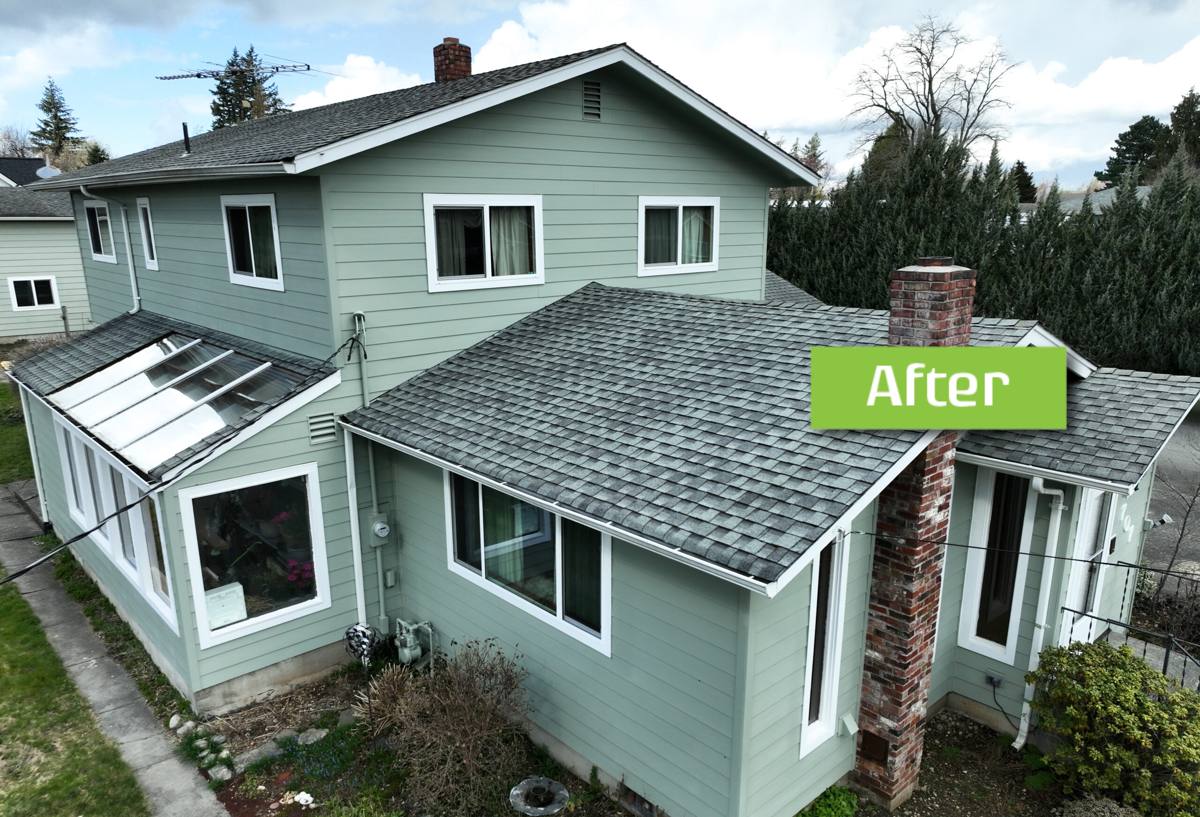
What This Climate Actually Does to a Shingle Roof
Florida's Gulf Coast is hard on roofing in ways that are easy to underestimate until you're the one paying for a premature replacement. A few specific stressors show up again and again on Oldsmar roofs, including in Eastlake Woodlands:
- Hurricane-force wind: Shingles need to be rated and installed to resist uplift, not just nailed down "well enough." Wind gets under a weak edge or a poorly sealed tab and takes it from there.
- Intense, year-round UV: Unlike northern climates where shingles get a winter break, Florida sun bakes the asphalt and granules almost every day of the year, accelerating the aging process.
- Wind-driven rain: Tropical storms don't just drop rain — they drive it sideways and upward under shingle edges and flashing, which is why underlayment and flashing detail matter as much as the shingles themselves.
- Salt air: Even well inland from the immediate coastline, Pinellas County's proximity to the Gulf means airborne salt accelerates corrosion on fasteners, flashing, and vents.
- Tree cover and debris: Established neighborhoods with mature trees see more limb strikes, more granule loss from abrasion, and more debris buildup in valleys, which can trap moisture.
None of these factors are unique to Eastlake Woodlands, but they hit established, tree-shaded neighborhoods harder than newer, more open developments — which is exactly why roofs here need to be installed and maintained with that reality in mind.
What a Correctly Installed Roof Needs to Handle It
Wind Rating and Fastening
Not all asphalt shingles are rated the same for wind resistance, and the rating on the shingle bundle is only as good as the installation underneath it. Proper nail placement, nail count per shingle, and starter strip installation along eaves and rakes are what actually keep a roof intact in a wind event — this is where a rushed installation shows its weakness first.
Underlayment
A synthetic underlayment (or a self-adhering underlayment in vulnerable areas like valleys and eaves) is your second line of defense if wind ever lifts or damages shingles during a storm. In this climate, treating underlayment as a checkbox item instead of a real moisture barrier is one of the most common shortcuts we see on older roofs we're asked to replace.
Flashing and Penetrations
Chimneys, plumbing vents, skylights, and wall-to-roof transitions are where the overwhelming majority of leaks start — not in the open field of shingles. Correctly formed and sealed flashing at every penetration is non-negotiable, especially with wind-driven rain in the mix.
Attic Ventilation
Florida attics get hot, and heat trapped under a roof deck shortens shingle life from the underside just as much as UV shortens it from the top. Balanced intake and exhaust ventilation keeps attic temperatures more reasonable and helps prevent moisture buildup that can rot decking over time.
Signs an Eastlake Woodlands Roof Needs Attention
Most roof problems don't announce themselves with a dramatic leak — they show up as smaller signs first. Worth checking for, especially after storm season:
- Granules collecting in gutters or at downspout discharge points
- Shingles that look curled, cupped, or have visibly raised edges
- Bald or shiny patches where granule loss has exposed the asphalt underneath
- Cracked, torn, or missing shingles, especially after a windstorm
- Dark streaking or staining, which is often algae rather than damage but worth having checked
- Soft spots underfoot on the roof deck or sagging in the roofline
- Rusted or lifted flashing around chimneys, vents, or skylights
- Water stains on interior ceilings, even faint ones
Any one of these on its own might not mean much. Two or three together, especially after a named storm has passed through Pinellas County, are worth a professional look before the next rain event finds the weak spot for you.
How We Approach an Asphalt Shingle Roofing Job
Inspection and Assessment
We start by getting on the roof, not just looking at it from the ground. That includes checking the decking condition, existing ventilation, flashing details, and how much life is realistically left versus what can be repaired.
Tear-Off and Deck Prep
A full tear-off lets us actually see and address the roof deck, which is where hidden problems — soft plywood, old damage, prior repair shortcuts — tend to hide. We replace any compromised decking before a single new shingle goes down; layering new shingles over old ones only hides problems and shortens the life of the new roof.
Underlayment and Flashing First
Before shingles go on, we install underlayment appropriate for the roof's exposure and rebuild flashing at every penetration and transition point. This is the step that determines how the roof performs in wind-driven rain, and it's not one we shortcut to save time.
Shingle Installation
Shingles go down according to manufacturer specifications for nail pattern, nail count, and starter strip placement — the details that determine the shingle's actual wind rating in practice, not just on paper.
Ventilation and Final Details
We check and, where needed, improve attic ventilation as part of the job, along with pipe boots, ridge caps, and any final flashing details.
Cleanup and Walkthrough
We clean the property of old materials and debris, run a magnetic sweep for stray nails, and walk the finished roof with you before calling the job done.
Choosing a Shingle That Makes Sense for This Neighborhood
Asphalt shingles come in a range of grades, and the right choice depends on budget, how long you plan to stay in the home, and how much wind resistance you want built in from the start. Here's a general comparison to think through:
| Shingle Type | Typical Wind Rating | Best For | Cost Factor |
|---|---|---|---|
| 3-Tab (Standard) | Lower | Budget-focused replacements, rental properties | Lowest |
| Architectural / Dimensional | Higher | Most owner-occupied homes; better appearance and durability | Moderate |
| Impact-Resistant Architectural | Highest | Homes prioritizing storm resilience and possible insurance credits | Higher |
For most Eastlake Woodlands homeowners, architectural shingles hit the right balance — meaningfully better wind performance and longevity than 3-tab, without the premium cost of impact-rated lines. That said, if your insurance carrier offers a discount for impact-resistant roofing, it's worth running the numbers, since the difference in upfront cost can be partly or fully offset over time.
Why Working With a Crew That Already Knows Eastlake Woodlands Helps
A roofing crew that's worked this neighborhood before isn't guessing at what your roof might need — they've seen similar roof pitches, similar tree exposure, and similar age of construction on the street over and street next to yours. That translates into a more accurate first inspection, fewer surprises once tear-off starts, and a better sense of what upgrades (ventilation, flashing, underlayment) are actually worth doing versus what's unnecessary upselling.
It also matters for something more practical: local crews are the ones who show up quickly for a tarp-and-repair when a storm damages your roof, rather than a company juggling jobs across three counties.
Permits, HOA Notice, and Insurance Documentation
Roof replacements in Oldsmar require a building permit through Pinellas County or the city, and inspections are part of the process — this isn't optional paperwork, it's what confirms the work meets current wind and building code. We handle the permitting process as part of the job. If your section of Eastlake Woodlands has HOA or architectural review requirements for exterior changes, including roof color or material, that's worth checking before work begins; we're happy to work with whatever documentation your association needs. We also provide the photos, invoices, and materials documentation most insurance carriers ask for when you're filing a claim or updating your policy after a roof replacement.
Maintenance That Extends the Life of the Roof
A well-installed asphalt shingle roof in this climate can still lose years of service life to simple neglect. A few habits go a long way:
- Keep gutters clear so water isn't backing up under the roof edge
- Trim back tree limbs that overhang the roofline to reduce abrasion and debris buildup
- Have the roof visually inspected after any significant storm, not just when a leak shows up
- Address small flashing or sealant issues promptly rather than waiting for them to become leaks
- Keep an eye on attic ventilation, especially if you've had insulation or HVAC work done that may have blocked vents
If you're noticing granule loss, storm damage, or simply know your roof is getting up there in age, we're glad to take a look and give you a straightforward assessment of where things stand. Reach out for a free, no-pressure estimate using the form below — we'll walk the roof, tell you honestly what it needs, and let you decide from there.